What does the typical buyer’s journey look like in 2026? Does it naturally progress from awareness to engagement to sale? Or do you need to do more than capture your target audience’s attention to drive conversions?
The way consumers discover and choose what solutions to buy continues to evolve. Their needs and priorities constantly shift. Additionally, they’re becoming more selective about what brands they support and champion.
Yet one thing remains consistent: the importance of trust in influencing purchase decisions.
What are your 2026 business goals? Do they include driving conversions, maximizing marketing ROI, or improving your bottom line? In that case, you must finally understand the role of trust in the sales cycle. More importantly, you must learn how to turn audience attention into brand trust. That way, you can drive conversion without having to spend outrageous amounts on ads.
This guide explores the process of transforming awareness into credibility. It aims to help your brand stand out among fierce competition. It covers proven strategies for driving conversions in saturated markets.
Let’s get into it.
Highlights
- The best way to transform audience attention into high conversion rates is to build brand trust.
- Credibility and authority play major parts in the modern buyer’s journey.
- Focusing on trust-building strategies emphasizes the dependability that consumers seek. Furthermore, it differentiates businesses, helping them stand out in competitive markets.
- Various marketing and branding tactics shift from attention to trust. They include web design, content production and distribution, as well as customer experience optimization.
Why audience attention ≠ conversions
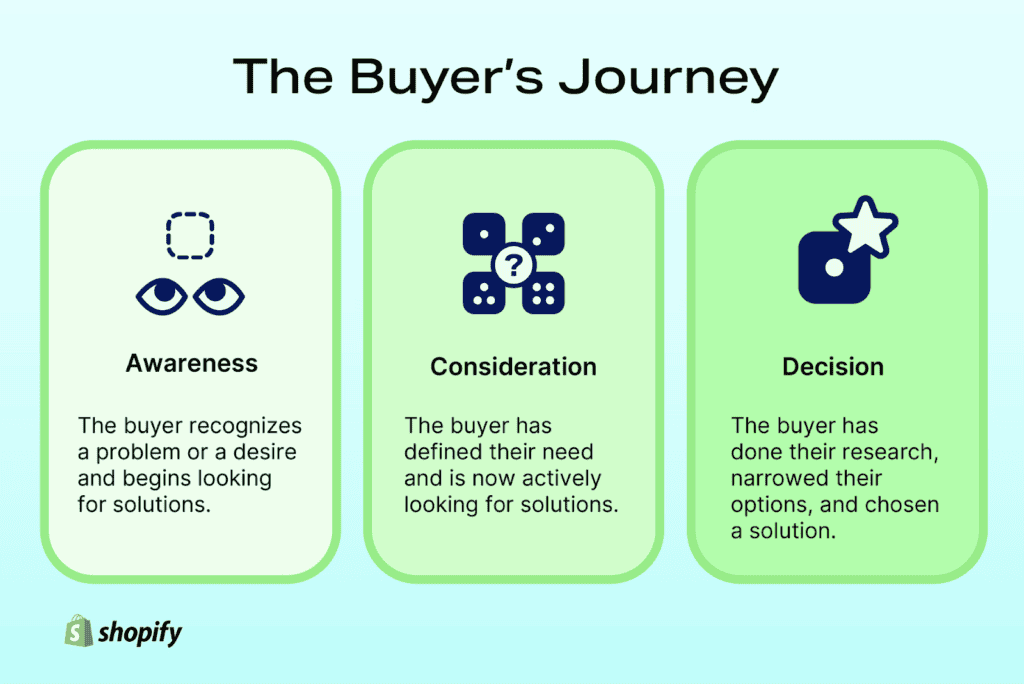
Achieving high conversion rates requires an in-depth understanding of buyer behavior. And this is particularly true in competitive industries.
In 2026, people no longer follow a linear customer journey. Instead, the product discovery process happens (spontaneously) across several platforms. Moreover, brand reputation largely influences buyers’ decision-making.
However, there’s one crucial shift in buyer behavior to note in 2026. The number of obstacles to your prospects’ conversions is increasing. And you have to overcome every one of them to turn audience attention into sales.
In many industries, buying cycles are getting longer and more complex.
Shoppers feel bombarded by marketing messages for (often irrelevant) solutions. And the number of people experiencing ‘choice overload’ is on the rise. Their response usually isn’t an increase in investment in the buyer’s journey. Rather, it’s a conscious decision to exit the funnel and delay their buying decisions.
Furthermore, most markets are becoming saturated. Pair this with a consumer sentiment that’s on shaky ground. The outcome is increased competition, which results in fewer sales opportunities.
Finally, we can’t address conversion optimization in 2026 without mentioning AI. According to Forrester, many shoppers rely on artificial intelligence during the buyer’s journey. Forrester found that 95% of buyers expect to use generative AI to research a purchase within the next 12 months.
In other words, the biggest challenge when trying to drive conversions in 2026 won’t be building brand and product awareness. Instead, your biggest task will involve transforming attention into trust and confidence. That’s the only way that your prospects will genuinely want to buy from your brand.
Brand trust: The secret ingredient to high conversion rates
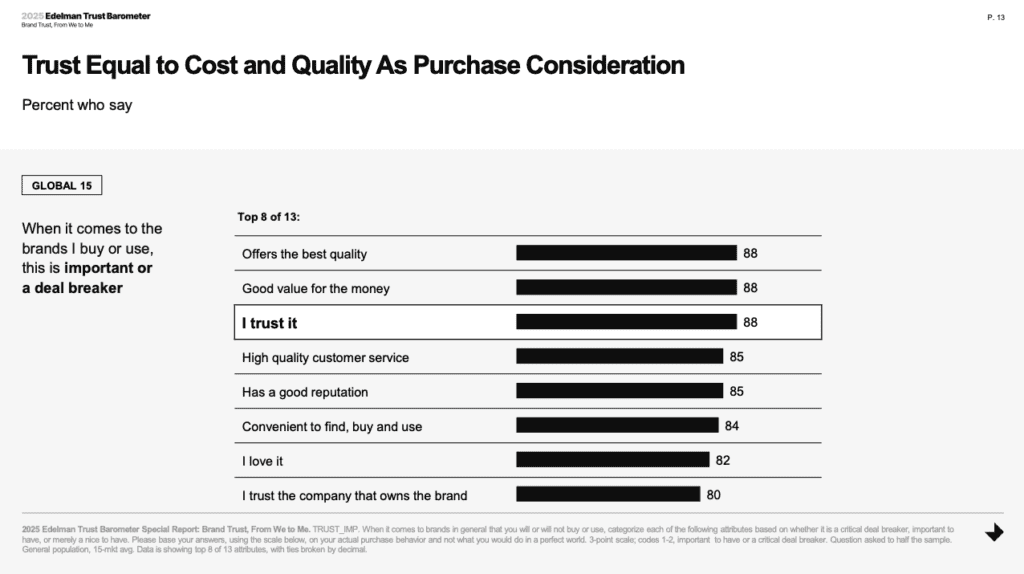
The impact of a positive brand reputation can be tremendous. Especially for conversion optimization.
Credibility is a top buying factor. But it’s often what separates high-converting brands from their less successful competitors.
The fascinating thing is that earning consumers’ trust doesn’t merely influence sales. There’s evidence that most people don’t simply choose to buy from businesses they trust. They’re even willing to pay more for products or services from credible brands.
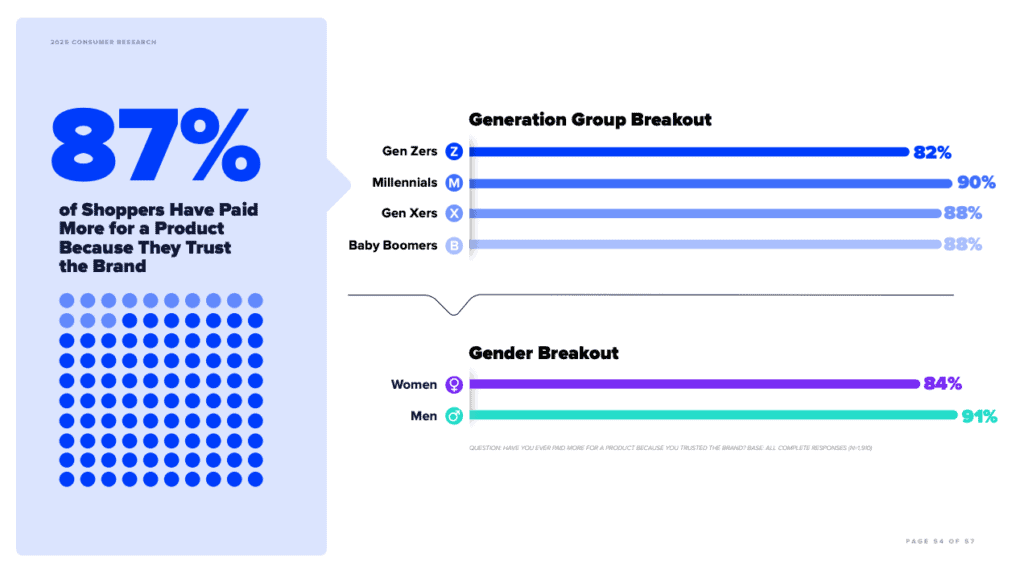
How to initiate a shift from attention to trust to drive conversions
So, what’s the key to driving conversions in 2026? In many ways, it could be the ability to turn consumer attention into brand trust. Fortunately, there are several effective strategies for accomplishing this.
Start by incorporating credibility-focused elements and activities into your digital marketing strategies. These can help convince your target audience to choose your brand over competitor options.
Trust-building elements include a variety of content formats, including social proof and user-generated content (UGC). However, it’s crucial to recognize that other factors influence your prospects’ perception of your brand. These include web and UX design, consistency of online presence, and even casual customer interactions.
They all affect the way potential customers see your business. So don’t neglect them when optimizing for high conversion rates.
How to drive conversions in 2026 (By using trust-building tactics)
Are you ready to take your conversion rates to the next level? These tactics build trust, guide prospects through the sales cycle, and elevate their purchase intent.
Invest in your website
Conversion performance hugely depends on website quality. In fact, Forbes Advisor notes that web users form brand impressions within moments of landing on a page. And those impressions directly influence their purchase intent and price sensitivity.
But what makes a website optimized for driving sales? Is it an attractive aesthetic design? Or a high level of usability?
In practice, both of these factors influence business credibility. Just check out the scientific research. It found that website reliability is the strongest predictor of customer trust and retention in online shopping. It’s followed by ease of use and aesthetic appeal.
So, what’s the best way to build a brand reputation that’s conducive to conversions? You need to optimize for both visual appeal and usability.
Take a look at John Campbell does it.
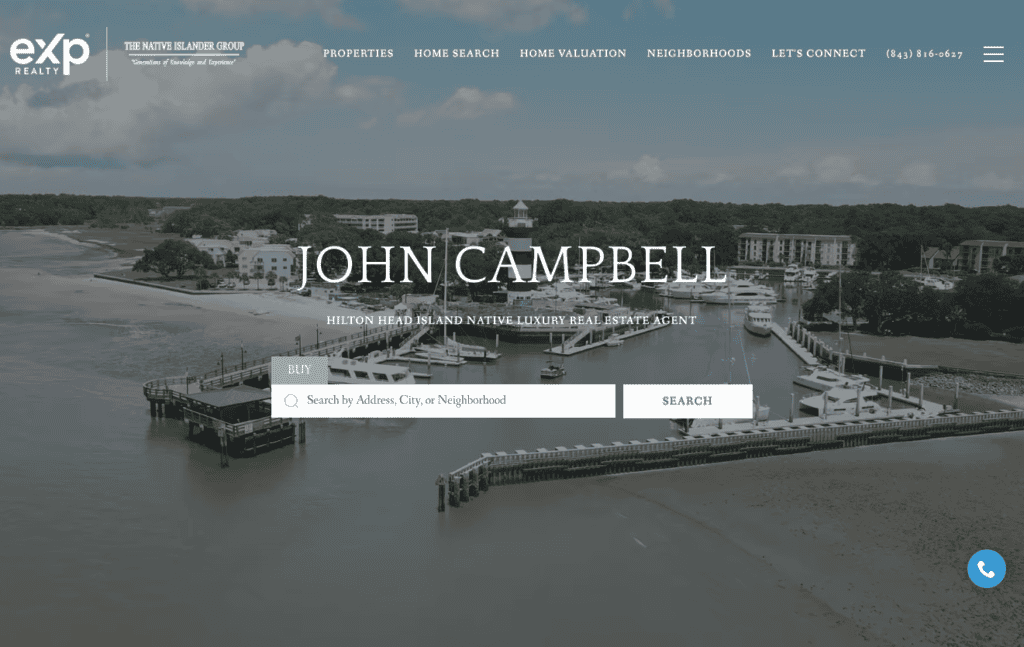
This brand clearly understands what buyers want from a real estate website. Yes, visual appeal plays a part in influencing their buying decisions. But so do convenience and personalization. So, it doesn’t bombard clients with multiple (impressive) listings, each vying for attention. Instead,
John Campbell encourages visitors to define their location criterion first. This web design strategy removes irrelevant options from the results pages. It automatically boosts the brand’s reputation as a user-oriented business. Moreover, it reduces informational overwhelm. The combination of these tactics creates a more enjoyable shopping experience that drives conversions.
Focus on clarity above all else
Before you can drive conversions (or earn consumer trust), you must first capture your audience’s attention. And that’s easier said than done — especially in 2026.
Consumer behavior research suggests that most people have zero tolerance for irrelevant marketing messages.
Attentive’s 2025 Consumer Trends Report reveals that 81% of web users ignore irrelevant marketing pitches. 71% become frustrated when brands target them with such messages. And one-quarter say their purchase intent declines when they receive generic messages.
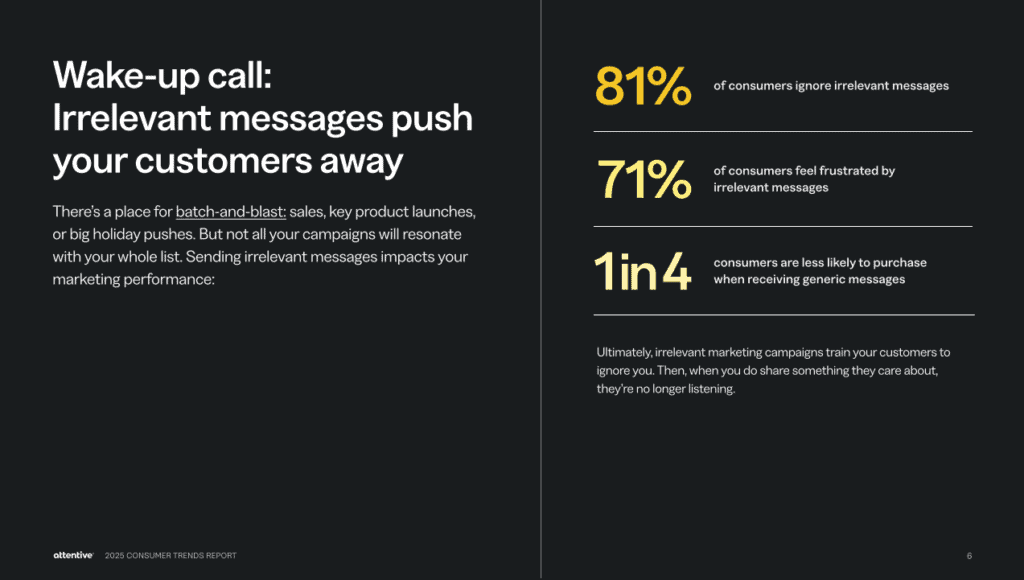
Want to turn awareness into conversions? You must make it crystal clear to your audience that you offer value. Furthermore, you must be explicit about how that value benefits your ideal customers.
To do this, prioritize clarity in your online presence.
Invest in web content that describes your solutions from a user-centric perspective. Be transparent about what customers can (or can’t) expect from a purchase. And aim to educate prospects about your solutions early on in the customer journey.
These tactics will create a more enjoyable onboarding experience for new customers. Plus, they’ll make it easier for clients to integrate your solutions into their lives/workflows.
Check out how Custom Sock Lab builds trust and drives conversions through clarity.
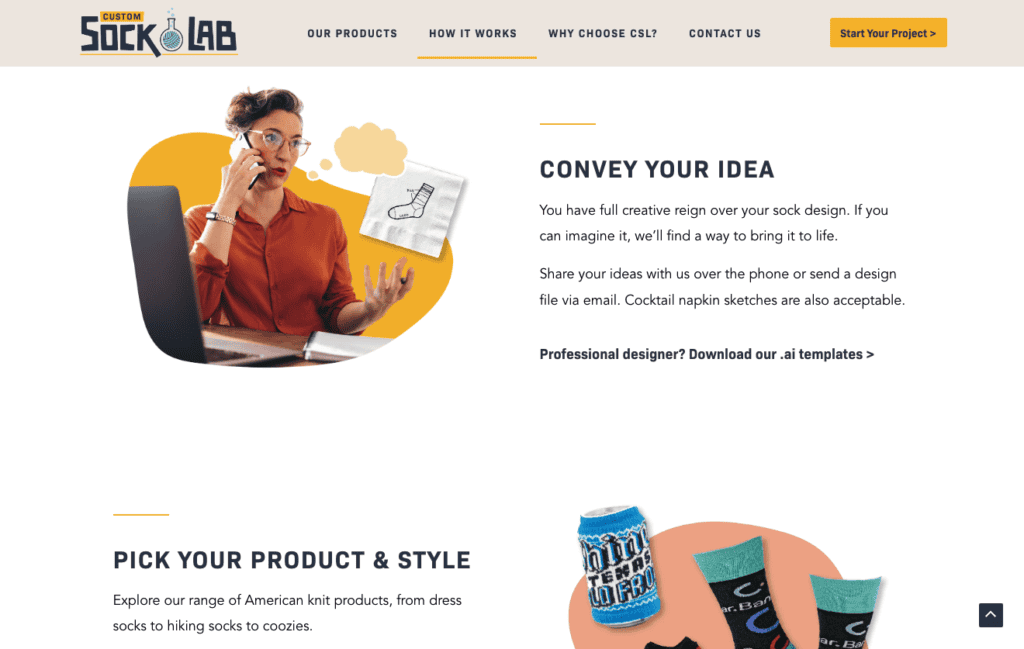
This brand’s How It Works page is relatively short. It consists of two main content sections (three if you count the social proof block). And it explains the brand’s service in very basic terms. However, the reason it’s designed this way is for clarity.
Custom Sock Lab understands that its prospects are intrigued. However, it also knows that their buying behavior depends on their perception of the brand’s credibility. That’s why it goes above and beyond to describe the product development process in simple terms.
Yes, expert customers have access to industry-specific resources, such as .ai templates. However, the primary goal of this page is to help non-expert clients understand the creation process.
Additionally, it focuses on establishing basic expectations regarding lead time, shipping, and order volumes. This approach successfully elevates product understanding. Furthermore, it boosts purchase intent, helping the brand drive conversions.
Aim for relatability and connection
Buying decisions don’t just depend on relevance. Consumer behavior data suggests that conversion optimization needs to account for emotional decision-making factors.
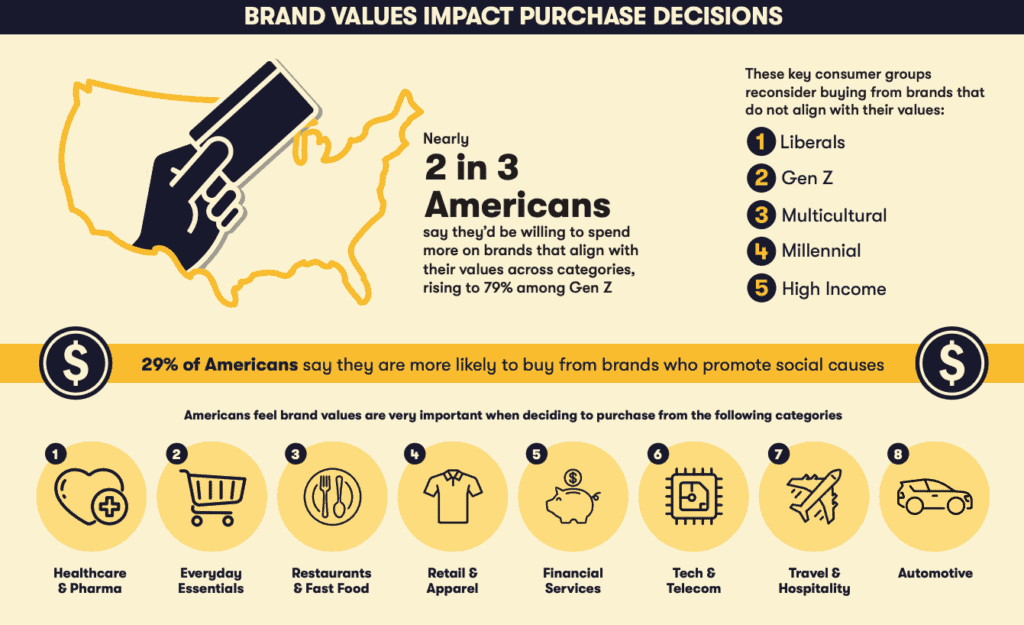
Value-based shopping has been a prominent consumer behavior trend over the past few years. But ESG claims are not the only thing that matters when aiming to earn consumer trust and drive conversions.
Instead, the key ingredients consist of relatability and connection. Feeling seen, appreciated, and valued by brands makes consumers engage more with branded content.
So, a connection-based marketing approach transforms investment into trust (and preference). And those become conversions over time.
There’s another notable thing to remember about brand relationships. They build loyalty, especially when those relationships are formed during childhood.
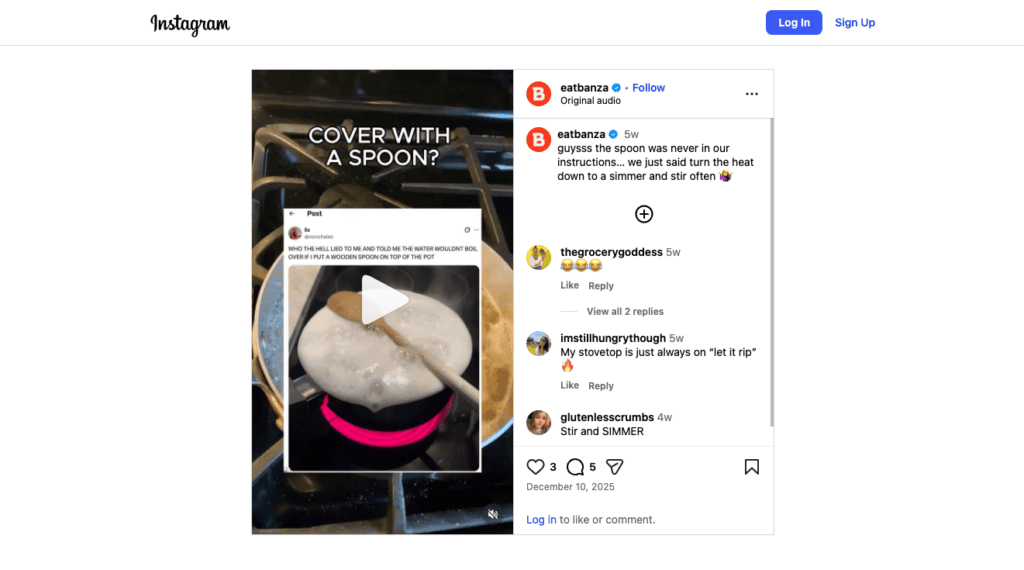
To drive conversions through relatability and connection, adopt an approach similar to Banza.
This brand heavily focuses its social media presence on customer interactions. It features extensive user-generated content in its feed. Most importantly, it responds to practically all customer comments.
It actively helps followers address pain points and frustrations. And it even goes so far as to give clients instructions on how to best use Banza products. The humorous brand voice earns extra points for relationship-building and sales optimization.
Invest in proven-to-work content formats
You want to attract customer attention, build brand trust, and drive conversions. Is there one single type of marketing activity to help you do this? Absolutely. You need content marketing to reach these goals.
It’s affordable, effective, and scalable. And most importantly, it’s highly customizable to your brand’s needs. Additionally, you can adapt it to align with your target audience’s online behavior.
With great content, it doesn’t matter whether your ideal customers use the internet for research or entertainment. Just focus on producing high-quality, uniquely valuable content that is also SEO-friendly. You’re sure to capture audience attention.
Of course, your ultimate content marketing goal is to drive conversions. Preferably, you should also generate a satisfactory ROI on your content marketing campaigns. To do this, you must know how to optimize for engagement, trust, and conversions. The best place to start is to identify the types of content that deliver the greatest value for your brand.
Evergreen content, such as that published by Socialplug, is always a great start.
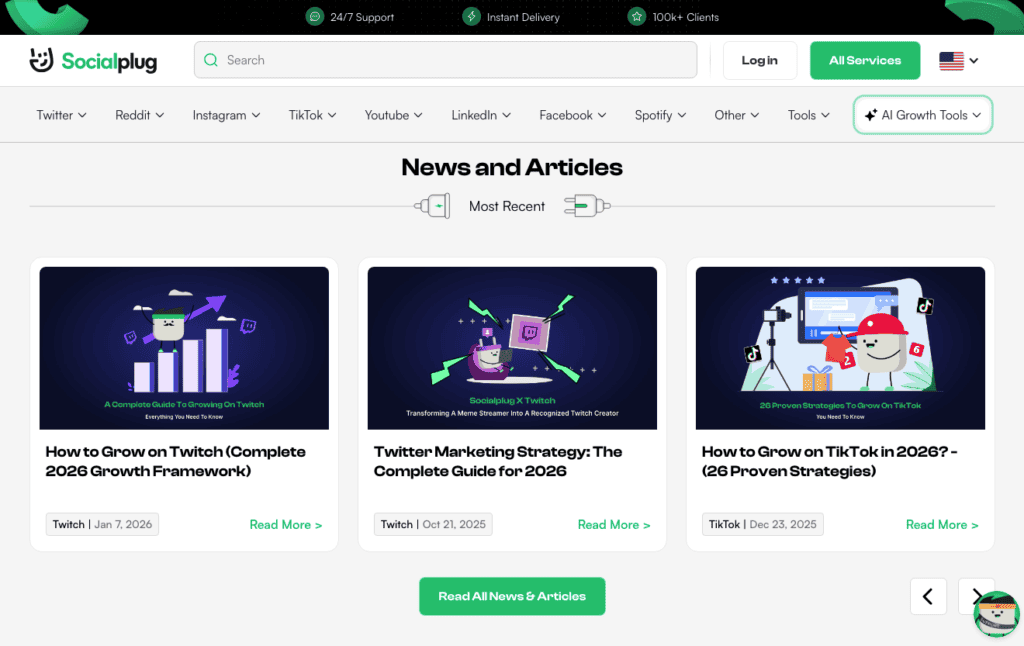
This brand understands how to engage potential customers. Its best chance of doing so is to reach them during the awareness stage of the buyer’s journey.
So, Socialplug produces high-quality guides on all things marketing-related. Furthermore, it enriches these evergreen resources with unique industry insights and proprietary know-how.
The outcome isn’t merely a collection of articles that are valuable to Socialplug’s target audience. More importantly, this content strategy effectively shifts prospect attention to trust and purchase intent, allowing Socialplug to move potential clients through the sales funnel with ease.
Build trust at every step of the customer journey
Finally, to drive conversions in 2026 with trust-building tactics, you must establish brand credibility. And it’s important to do this at every step of the customer journey.
Why? New consumer behavior is disrupting the typical sales cycle. For example, AI visibility is one of them. In practice, this means your audience may not follow a strictly linear path in discovering and interacting with your brand.
Instead, prospects may enter your sales funnel at any stage. Thus, it’s crucial that your online presence consistently communicates trust.
The good news is that there are several effective tactics to help you do this. And there’s a good chance many of them are already an integral part of your sales, marketing, and branding strategies.
Position your brand as an industry expert
Research from 2025 shows that expertise is essential for earning consumer trust.
According to Edelman, scientists and teachers are some of the most credible voices right now. So, it’s only logical that you should feature these voices in your online presence. Alternatively, find opportunities to prove that your brand’s team uses scientific standards to research and develop solutions.
To see what this looks like in practice, check out MindLabPro.
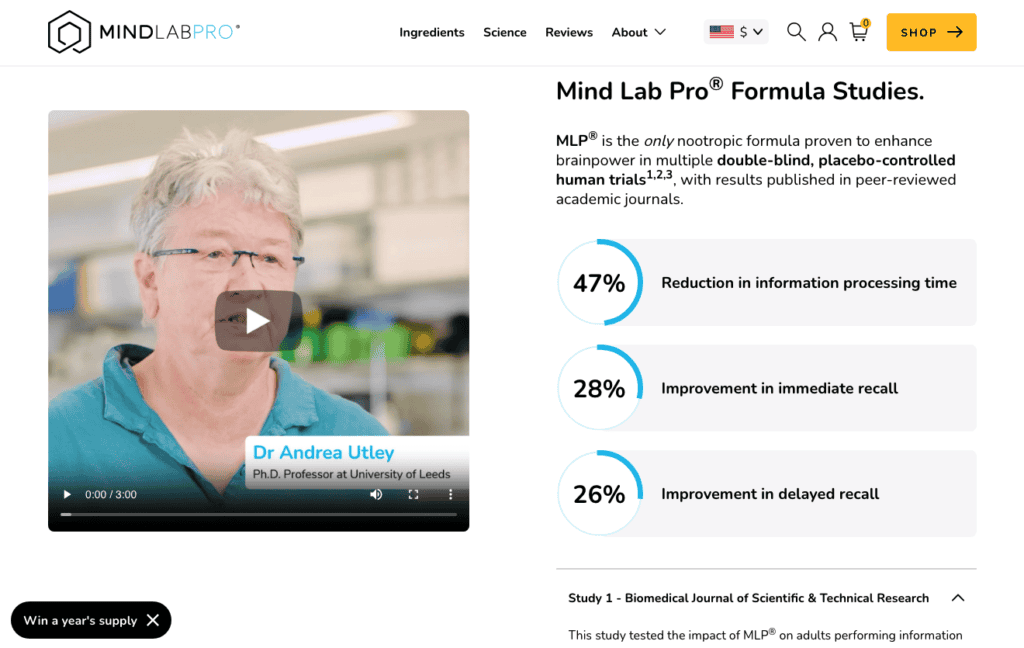
This business implements this tactic beautifully on its homepage. It showcases expert social proof throughout the website. Moreover, Mind Lab Pro also invites prospects to check scientific studies, which prove product effectiveness.
Such an approach effectively removes common conversion obstacles. Additionally, it positions the business as an industry authority. All this is thanks to MindLabPro’s commitment to adhering to scientific standards.
Display social proof at every consumer touchpoint
Social proof is often reserved for the first or last stage of the customer journey. Yet this may be a mistake.
We already mentioned that consumers enter the sales cycle at many stages. Moreover, shoppers prioritize brand trustworthiness when making buying decisions.
So, what’s the best way to drive conversions in 2026? Base your conversion strategy on credibility. Simply incorporate a variety of social proof into your online presence. This will be more than enough to help you reach your goals.
Selflessly share value (for free)
Consumers don’t want you to see them as a source of income. Most are tired of overly promotional messaging.
Want to turn your audience’s attention into trust? Invest in valuable resources that you can share with potential customers for free.
Here’s how Uproas does it on its homepage.
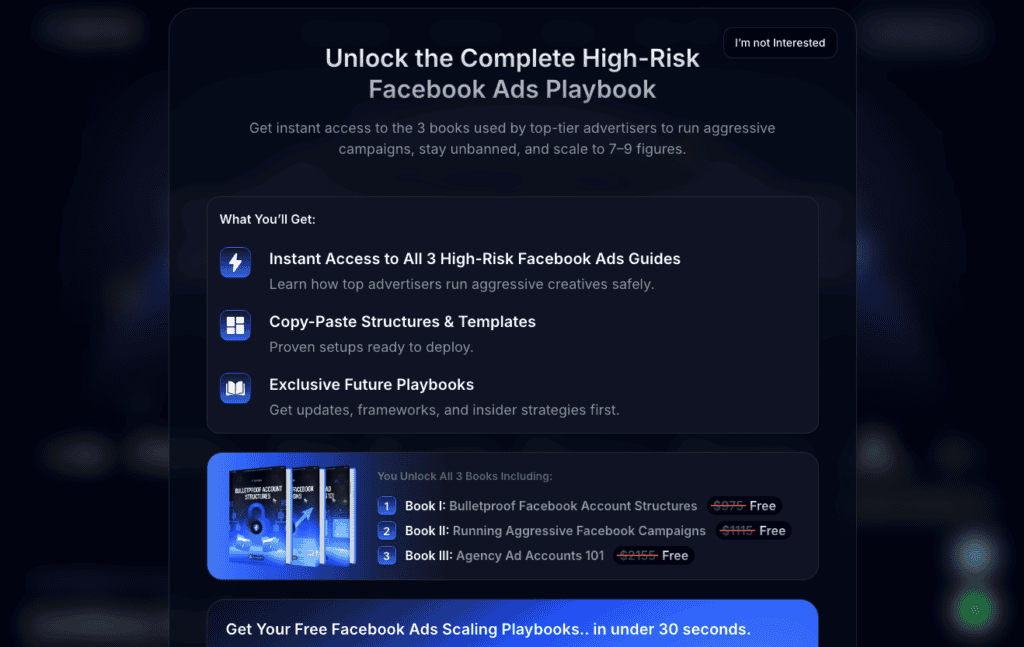
This brand knows that a benevolent reputation facilitates trust and brand preference. It also recognizes that converting qualified leads into customers is easier than selling to awareness-stage prospects.
So, to drive conversions, Uproas adopts a smart approach. First, it provides its audience with high-quality, uniquely valuable resources. Note that it does this for free (in exchange for contact info). Then, it gently nurtures these leads into customers with targeted campaigns and personalized offers.
Offer accessible support
Providing an enjoyable customer experience doesn’t just drive loyalty. It also affects brand reputation. Plus, it influences consumers’ buying decisions.
Do you want to shift from attention to trust and drive conversions? Offer accessible support to your audience. Do this at all stages of the customer journey. And make it incredibly easy for your audience to get help.
Such a strategy will help build a more trustworthy reputation with new leads. Plus, it’ll allow you to maintain positive relationships with existing clients, boosting loyalty and customer lifetime value.
Conclusion
Focusing on trust-building digital marketing strategies is one of the best ways to drive conversions in 2026.
A credibility-based sales approach helps build a positive brand reputation. It also lends itself well to word-of-mouth marketing. It removes common conversion obstacles from the consumers’ decision-making process. Finally, it fosters more than just transactional relationships between brands and buyers. If you think about it, these are crucial for high customer retention rates.
Are you ready to take your conversion metrics to the next level? uSERP can help you optimize your marketing campaigns for ROI and authority. Moreover, it can make it easier for you to turn customer attention into sales. Book your free strategy audit today.