Experience, strategy, and results
Does your healthcare SEO agency team have real industry experience?
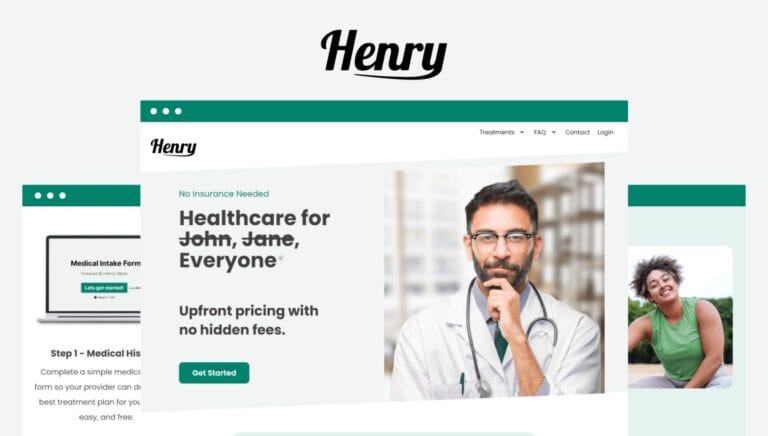
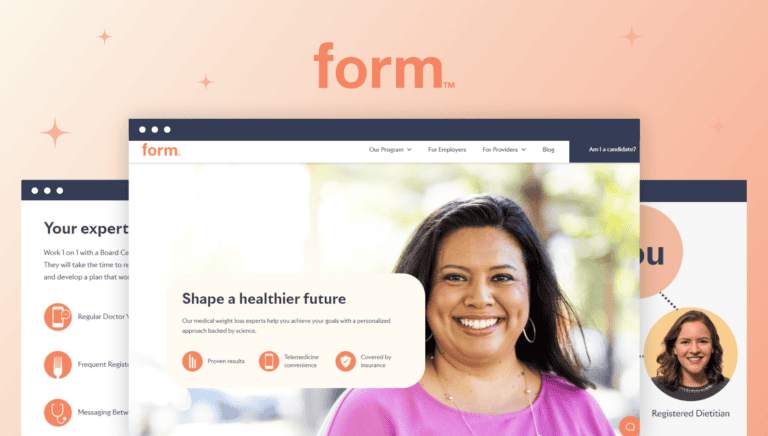
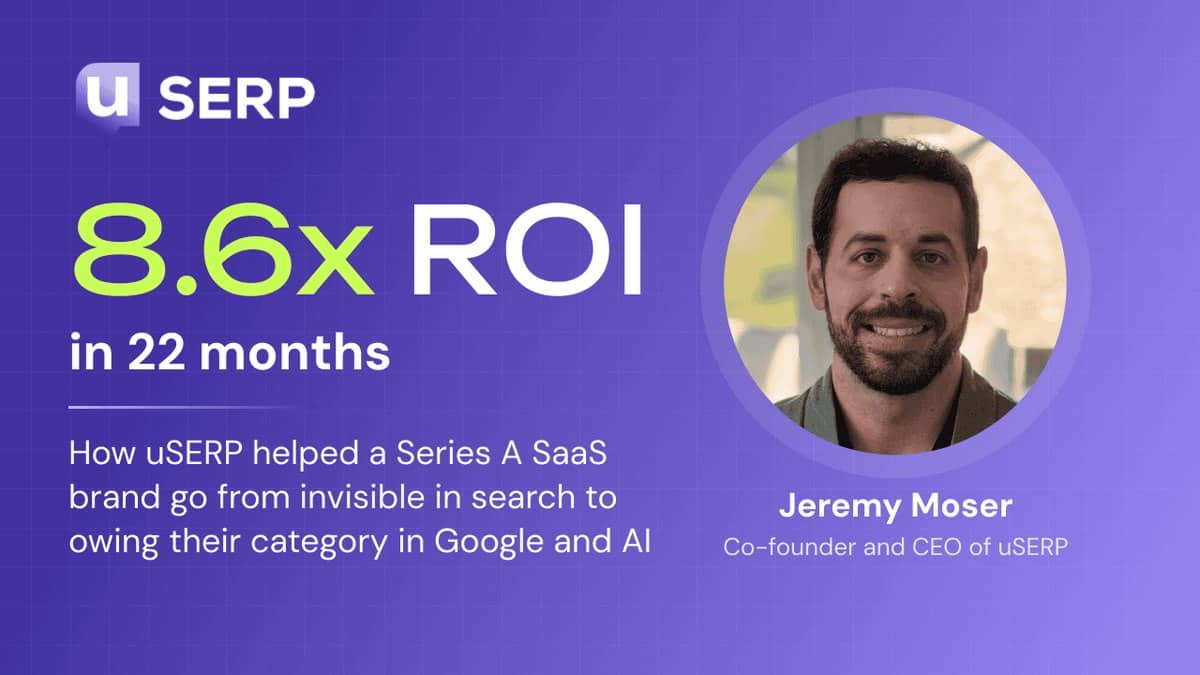
Our founders, Jeremy Moser and Brad Smith, have run SEO for health and medical brands like Hims & Hers, Henry Meds, Advocate, Form Health, and Fusion Medical Staffing, and hundreds more, for over 12 years. The strategists who work embedded with your organization all come from in-house roles, and the published healthcare case studies on this page (Henry Meds, Form Health) show the work in telehealth and medical weight loss specifically.
Do you execute our plan, or bring your own strategy?
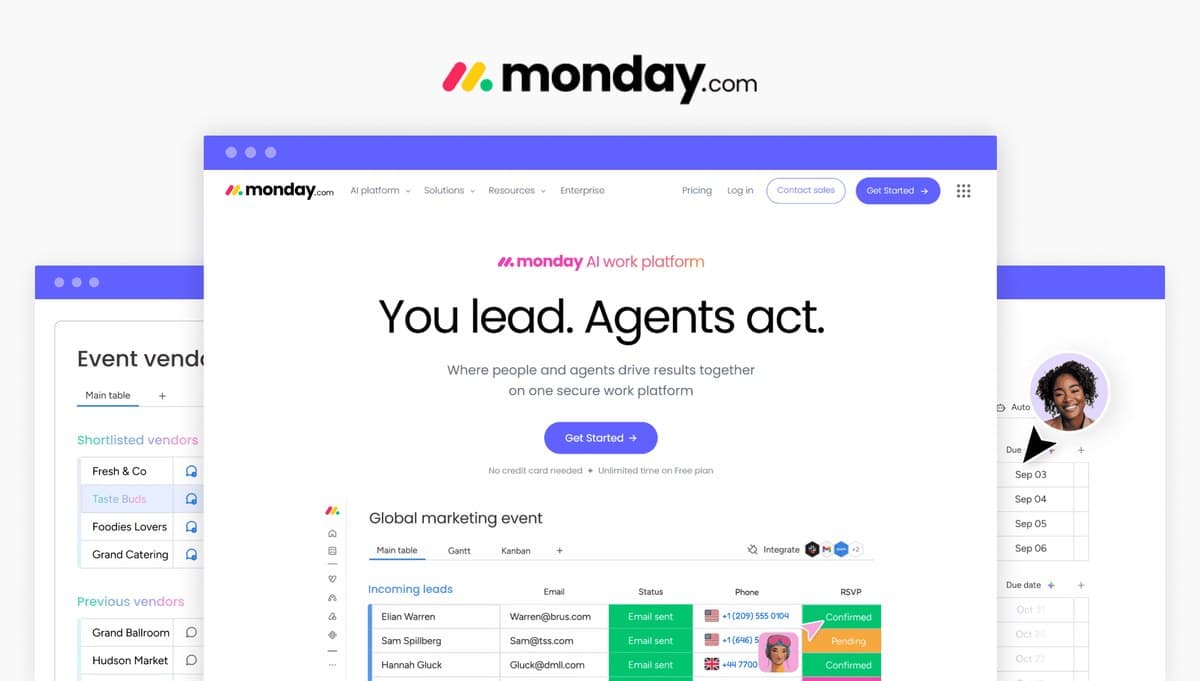
Both, and that is intentional. SEO only works when strategy is shared and aligned. We start by understanding your business goals, compliance constraints, and market dynamics, then bring a proven framework informed by direct experience across healthcare and medical brands. The outcome is one plan everyone commits to, so execution is not fragmented or reactive. Most healthcare SEO failures are not caused by bad tactics. They are caused by misalignment and premature pivots. Bottom-of-funnel, revenue-driving SEO compounds over time, not in 30-day windows. Our work with monday.com is the pattern: 22% organic growth in the first three months, 77.84% since October 2020, and 825 first-page positions, because the strategy held long enough to compound.
What makes uSERP different from other healthcare SEO agencies?
Three things. Strategy, YMYL content, and earned authority run as one program by senior in-house strategists, rather than content from one vendor and links from another. A medical review and claims guardrail workflow built into production, so compliance clears content once. And reporting in a signal hierarchy that separates links and rankings from appointment requests, SQLs, and revenue, configured for healthcare tracking limits. We also publish our minimum terms and our healthcare case studies, with the numbers.
How do you measure success with your healthcare SEO services?
In business outcomes, not vanity metrics. We report every number at its level: activity (links, pages shipped), visibility (rankings, share of voice, AI citations), evaluation (qualified sessions, profile actions), serious intent (appointment requests, consults, demo requests, tracked calls), and outcome (SQLs, pipeline, new patients, revenue). Rankings, links, and content are inputs. Revenue impact is the outcome. On patient-facing sites we configure analytics within healthcare tracking limits and connect to your CRM or practice management system so outcomes are attributable without PHI in our systems.
How long does it take to see results from healthcare SEO?
It depends on your KPIs and your current foundation. If your revenue-driving pages already rank on page one but not in positions 1 to 3, time to results is often fast, because we are putting fuel on the fire. New condition and treatment pages in a competitive category, with medical review in the loop, take longer; the first months are foundational inputs, and meaningful acceleration usually occurs in months 4 to 9 as technical improvements, content, and authority compound. Healthcare compliance review typically adds time to content timelines, which is why the review workflow is agreed in week one. These are ranges, not commitments.
Why do Healthline, WebMD, and Mayo Clinic outrank us for the conditions we treat?
Google treats health content as Your Money or Your Life and holds it to its highest quality standard, so informational queries go to the sources with the deepest expertise and the most authority. A brand rarely out-publishes Healthline on “what is sleep apnea.” It can win “sleep apnea treatment online,” “semaglutide prescription online,” or “sleep apnea specialist in Denver,” where clinical oversight, a real service, and earned authority on the treatment page beat a publisher. The plan separates the two and points authority at the second group.
How does healthcare SEO work with AI Overviews, ChatGPT, and Gemini?
AI Overviews appeared on 89% of healthcare keywords in December 2025 and on 100% of treatment and procedure queries (BrightEdge). The engines cite a short list of sources per topic, usually publishers and directories. We audit which sources are cited for your conditions and treatments, earn mentions and links on those sources, make your entity data consistent everywhere, and track your citations monthly across an agreed prompt set. We treat AI citations as a visibility signal to monitor, not a guaranteed outcome.
Do you do local SEO for multi-location healthcare organizations?
Yes. Google Business Profiles for each location and, where it makes sense, each provider; citation and directory consistency including Healthgrades and Vitals; review velocity and response; and location and provider page templates that rank without duplicating each other. For health systems and provider groups the location layer runs alongside the service-line and authority work, not instead of it.
Compliance, contracts, and onboarding
How do you handle medical accuracy and compliance?
Clinical content is reviewed before it publishes, by your clinical or medical affairs team or by a credentialed reviewer we bring in and name on the page, with the workflow agreed in onboarding. Claims and brand guardrails are documented with your compliance lead before production. We never need access to PHI, patient portals, or authenticated pages; on patient-facing pages we configure analytics around HHS tracking-technology guidance and work with your counsel on consent and vendor BAAs, including one with uSERP where required. This describes our process, not a compliance certification.
Are there minimum contract terms?
Engagements begin at $10,000 per month for a 12-month partnership. We do not accept engagements below this threshold and do not offer trials or short-term tests, because healthcare SEO done right is a long-term growth engine, not a sprint. Short project windows force teams to chase quick wins on a graph (traffic that creates no enterprise value or market share) instead of compounding revenue drivers, and when an agency can be cut at any moment, the incentive shifts toward pages that move fast rather than pages that matter. Our work is outcome-focused (SQLs, share of voice, revenue, market share), not line-item box-ticking. Compared with vendors selling commoditized backlink lists and articles, we may appear expensive. Compared with spending 30 to 60 days on procurement, compliance, and MSA review only to find the cheaper option cannot deliver enterprise value, we are the better investment.
How much does a healthcare SEO agency cost?
Published healthcare SEO retainers run from about $750 a month for a solo physician to $1,500 to $5,000 a month for multi-physician practices, and $2,000 to $10,000+ a month at agencies that mix SEO, paid media, and web work. uSERP starts at $10,000 a month on 12-month terms because the scope is different: senior strategy, YMYL content with medical review, guaranteed editorial links, AI search visibility, and enterprise measurement for organizations where one service line is worth more than the engagement.
What do your contracts look like? Can you use our agreement template?
We use our standard Scope of Work and MSA outlining what each party is responsible for, down to pricing, deliverables, and response timelines, so expectations are shared from day one. We may use your standard agreement terms if they are mutually beneficial and fair, as ours are. Our legal team works directly with yours.
Are you familiar with vendor onboarding, procurement, and security review?
Yes. We work with public and private enterprise companies in the medical and health space, including Hims & Hers, Henry Meds, and Form Health, and are familiar with enterprise onboarding and vendor procedures. We have completed security questionnaires, been fingerprinted for security compliance, and used nearly every vendor portal in existence to manage purchase orders, contracts, and invoicing.
Do you have insurance? How about data security?
We are insured on multiple levels, from commercial general aggregate business insurance to professional liability, and can provide certificates during onboarding. We have documented protocols to ensure data is confidential at all times and accessed only by approved personnel, and we sign a BAA where your counsel requires one.
Should we hire a healthcare SEO agency or build in-house?
Most healthcare marketing teams have one or two people who own search alongside everything else, and nobody who can produce YMYL content, earn editorial links, and run AI search visibility at the same time. An agency with senior strategists covers the breadth; your team keeps ownership of clinical review and the roadmap. If you have the in-house team and need a senior lead to own strategy and vendors, our Fractional Head of SEO service is built for that.
What happens on the intro call?
Before the call we review your priority pages, your authority against the publishers and competitors that outrank you, and your presence in AI answers for your conditions and treatments. On the 30-minute call, one of Jeremy, Brad, or Gordon walks you through the gaps, what a scope would include, what it would cost, and what vendor onboarding would involve. If we are not your best next spend, we say so.