





Your brand either makes people stop scrolling, or it gets ignored.
The difference comes from clarity. You need to know: Who you are, who you serve, and how you deliver value in a way people can recognize instantly.
Every decision, from your messaging, visuals, and campaigns, needs to align with your brand identity, or it won’t be clear.
According to a Nielsen survey, 59% of consumers prefer to buy new products from brands familiar to them, highlighting the importance of brand awareness in driving sales. A well-built brand can create loyalty, encourage word-of-mouth referrals, and support long-term growth, making it essential for businesses to differentiate themselves in a crowded market.
In this guide, I’m sharing seven super practical steps you can use to create a brand-building playbook that lines up with your goals. I recommend printing this off and checking off each step, one by one.
Highlights
- A strong brand starts with a clearly defined mission, values, and price positioning — before building any campaigns or visuals, companies must document their core identity pillars to ensure every marketing decision aligns with who they are and who they serve.
- Deep audience understanding is the foundation of effective messaging — segmenting your target audience by their specific problems, desires, and motivations allows you to craft messaging that speaks directly to each group and differentiates your brand from competitors.
- Consistency across all channels and materials is crucial — maintaining uniform branding elements and establishing clear brand guidelines or style guides ensures your brand is recognized and trusted everywhere it appears.
- Messaging pillars and style guides create the consistency that drives recognition — developing core phrases, unique selling propositions, and topic clusters based on real audience research, then documenting them in a shared style guide, ensures every team member communicates on-brand across every channel.
- Effective brand building requires a full-funnel marketing approach — running and continuously testing top-, middle-, and bottom-of-funnel campaigns helps attract quality leads, build trust, and drive conversions, with underperforming campaigns paused and high-ROI campaigns scaled.
- Social listening and customer feedback are essential for growth and refinement — actively monitoring what people say about your brand across social media and forums, collecting UGC, and turning success stories into case studies helps strengthen credibility and informs smarter product and messaging decisions.
Introduction to brand building
Brand building is the foundation of any successful business—it’s about developing a unique identity that sets your business apart and resonates with your target audience.
To be effective, an organization must start with a clear brand strategy that defines its mission statement, brand values, and the promise it makes to its customers. By defining what it stands for and who it serves, a company can craft a strong brand that builds trust, loyalty, and recognition in the marketplace.
A successful brand strategy goes beyond visual elements; it’s about creating a consistent experience across every touchpoint, from your website to marketing campaigns to storefronts.
Whether you’re launching a new brand or refining an established one, investing in effective brand building is essential for standing out, connecting with your audience, and achieving your business goals.
Understanding brand fundamentals
To build a strong brand, you need to understand the fundamentals that shape how your business is perceived. A brand isn’t just a logo or a set of colors—it’s the sum of every interaction and impression your audience has with your company.
At its core, brand identity encompasses your brand story, brand voice, and the values that guide your business decisions. These key components work together to create a well built brand that exists to foster meaningful connections with your target audience.
Your brand story communicates why your brand exists and what makes it unique, while your brand voice ensures that every message feels authentic and consistent. By focusing on these elements, you can create a brand development strategy that sets you apart.
Step 1: Get clear on your goals and brand story
The heart of your brand sets the tone for everything else.
So before you design a single campaign or write your marketing copy, get very clear on your company vision.
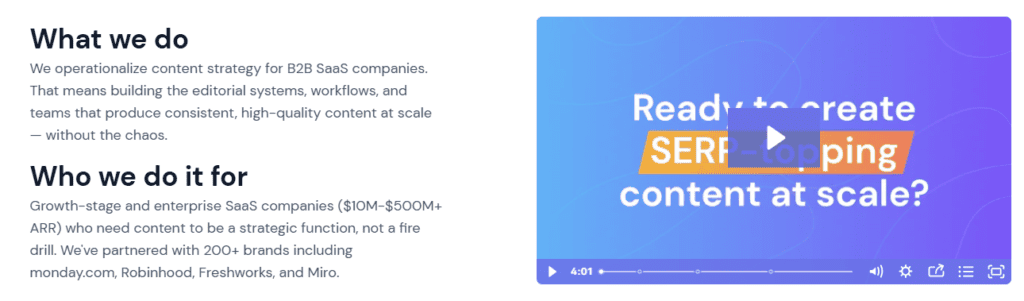
➜ What’s your mission? What’s your “brand promise”? What are your brand values?
Be as specific as possible. Explaining why your company exists is essential for connecting emotionally with customers and differentiating your business through authentic brand storytelling.
Here’s an example:
- Company mission: To make sustainable fashion accessible to everyone in the US, Europe, and Canada.
- Brand promise: To always offer affordable, eco-friendly styles that never compromise on quality.
- Core values: Full transparency about our processes and product quality, the best craftsmanship, and environmental responsibility.
These three main elements make up your brand identity.
Make sure your brand strategy lines up with these pillars as you move through the rest of the steps below.
Also, get clear on your brand’s price positioning. Documenting your mission, values, and price positioning are foundational steps in the brand development process and are part of effective brand building strategies.
Are you a budget brand like Walmart? A mid-range brand like Toyota? Or a luxury brand like Cartier? Or, maybe you offer tiers like SaaS brands, consultants, and course creators do.
Include this along with your company vision pillars in your brand building planning doc.
(Just use Google Docs or Notion to document and plan this out.)
Remember, 55% of consumers are more likely to buy a product if they love the brand’s story, highlighting the power of storytelling in branding. The most effective brand strategies emphasize human-centered authenticity to stand out from AI-generated content. Maintaining a consistent message across all touchpoints is crucial for clarity.
Brand positioning and research
Brand positioning and research are critical steps in the brand building process that set the stage for all your marketing and branding decisions.
To create a strong brand, you must first identify your target audience and understand their needs, preferences, and pain points. This involves conducting thorough market research and competitor research to gain insights into your target market and uncover opportunities for differentiation.
With this knowledge, you can develop a unique value proposition that clearly communicates why customers should choose you over the competition. Your brand positioning statement should guide your messaging, visual identity, and overall brand development, ensuring that every aspect of your brand aligns with your audience’s expectations and desires.
Step 2: Understand your target audience deeply
Know who your target clients are, why they should care about your brand, and how you’ll be serving them differently from your competitors.
If you have multiple target client groups, document them as segments in your planning document.
For example:
- Project managers and project teams at enterprise companies
- Project managers and project teams at mid-size companies
- Project managers and project teams at startup companies
- Project managers who help solopreneurs
After segmenting, create a detailed buyer persona for each group to better understand your ideal customers—their demographics, motivations, and challenges. This helps you tailor your brand messaging and offerings to resonate with those most aligned with your values and message.
Next, what are their top:
- Problems?
- Desires?
- Needs?
For example:
- Enterprise project managers might struggle with complex cross-department coordination and want smoother workflows.
- Mid-size project teams may crave better visibility and collaboration tools without enterprise-level costs.
- Startup project managers might need scalable solutions that grow with their teams.
- Project managers helping solopreneurs may look for simplicity and automations.
Knowing this, what transformations or solutions can they look forward to by working with you or buying from you? (E.g., Projects that always meet budget goals, clearer team communication, or tools that make managing projects feel effortless instead of overwhelming.)
And why should they care?
For example:
- Enterprise teams care because you streamline cross-department workflows with tailored setup support and a dedicated customer support rep.
- Mid-size companies value your enterprise features at lower cost and flexible plans.
- Startups care because you scale with them from day one.
- Solopreneurs care because you automate their admin.
Here’s an example of Clickup’s customer segments based on its pricing page:
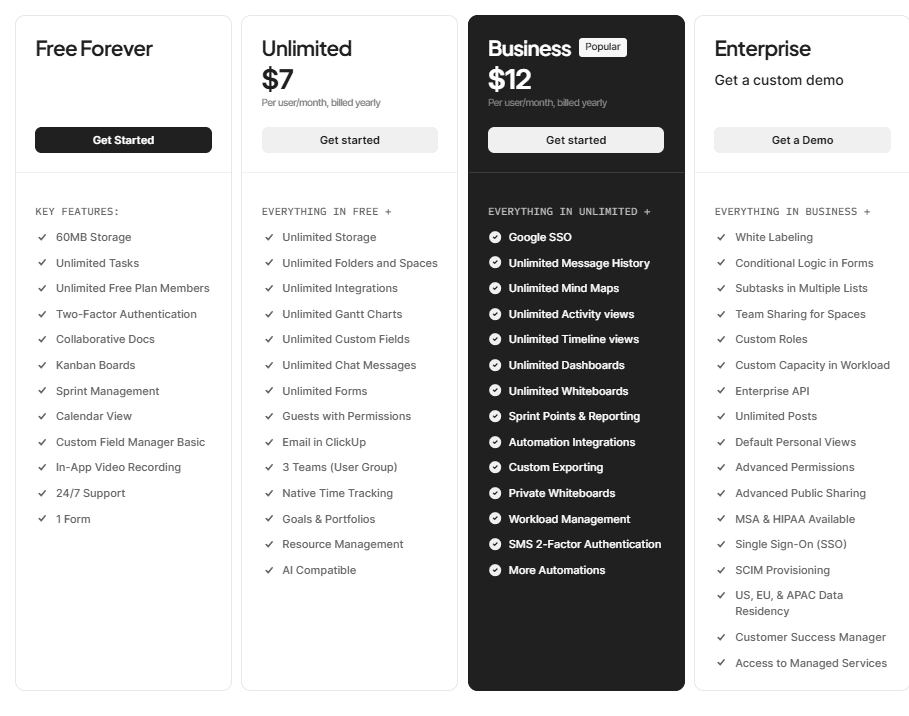
Add this info to your brand building doc, and keep it in mind as you develop your messaging pillars and style guides below.
This is key to creating aligned marketing campaigns and establishing a consistent brand voice. (Which are both pivotal to building brand recognition.) Creating meaningful connections with your audience is essential for building brand loyalty and long-term engagement.
Finally, what makes you different over your competitors?
For example, maybe you’re the only business coach in your field that offers a monthly profit sharing plan.
Or maybe your ready-made sales automations come with a money-back guarantee if they don’t produce profit in 90 days.
To further refine your positioning and value propositions, engage with your existing customers through surveys and interviews to understand their demographics, pain points, and preferences. Authentic, consistent brands foster emotional connections, turning one-time buyers into long-term customers.
Step 3: Develop your messaging pillars
Conduct market research to pull exact keywords, questions, and comments by your audience. Use tools such as AnswerThePublic, SEMrush, and Ahrefs, as well as forums like Reddit and Quora, to find these.
(You can also check search traffic and popularity, but focus more on the real concerns and language your audience uses when looking for solutions. Actionable strategies for developing messaging pillars include leveraging real audience language and feedback to ensure your messaging resonates and can be implemented immediately.)
Other potential places include LinkedIn and Facebook groups.
My advice as an experienced business strategist and content marketer is:
- Create your messaging pillars based on these searches and what you’ve documented in steps one and two.
- Ensure you maintain a consistent message across all channels to reinforce your identity and build trust.
- Mapping your content to the customer journey helps guide prospects from awareness to loyalty, while multimodal storytelling—using various content formats—builds a deeper narrative and establishes authority.
- These messaging pillars contribute to a cohesive brand image that resonates with your target audience.
Messaging strategy pillars checklist
Use this quick checklist to create your topical content map:
- Choose five core messaging phrases. You’ll use variations of these every time you plan a new campaign. Be sure to also include them on your website in relevant spots, like your home page and About Us page.
- Base these on real concerns and desires you’ve come across in your research. The more specific and conversational, the better.
- Identify your unique selling proposition. Pull this from the “what makes us different from competitors” note from step two. Use this on your landing pages, in ads, and in your calls to action (CTAs). Also great to include when posting thought leadership content.
- Choose five to seven main topics and relevant subtopics to cover in your blog and marketing materials. When documenting topics and subtopics, be sure to specify elements in your style guide—such as logo usage, color palette, and typography—to ensure consistency across all content.
- Base your subtopics on micro-intent queries you’ve come across in your research — especially via SEO tools and forums.
- Include high-quality visual assets, like images and logos, to support your messaging and reinforce brand recognition. Visual branding encompasses all visual elements that make up a brand, including logos, colors, fonts, and images, which should be unique and instantly recognizable to create a strong brand identity.
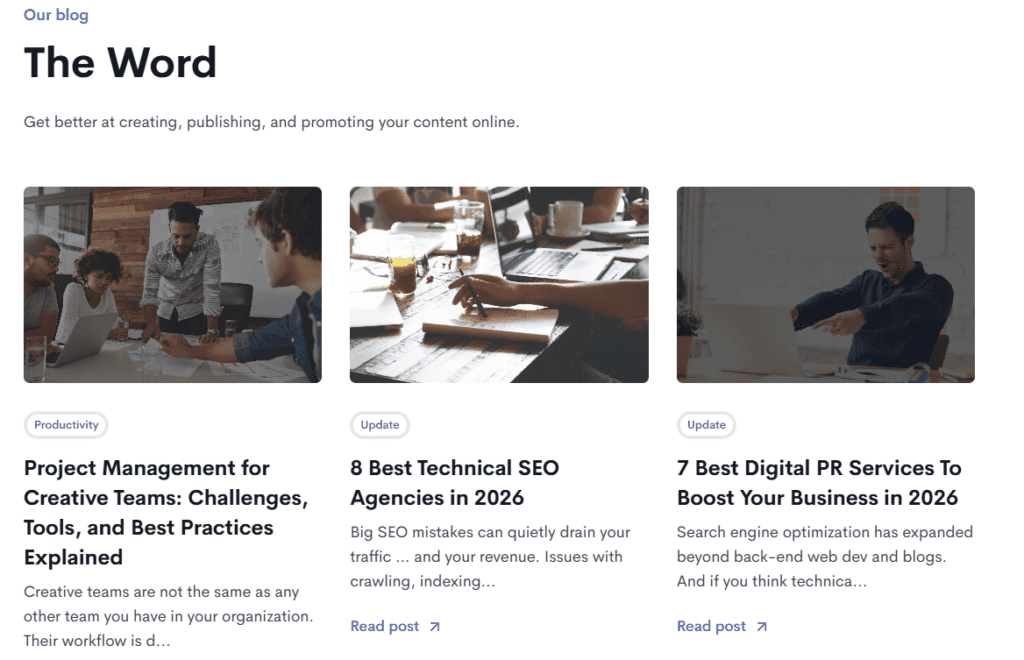
Here’s an example of some of Wordable’s main topics and relevant subtopics:
Here’s a complete example to put this in perspective, piggybacking on the project management example from earlier:
“Our five core messaging phrases are:
- Tools that adapt to how your team works in real life.
- Scale your team without scaling your workload.
- Visibility and control in every project phase.
- Collaboration made simple and stress-free.
- Streamline project workflows effortlessly.
Our brand differentiation is:
“We simplify project management for growing teams with fully customizable tools, intuitive design, and real 24/7 human support. Choose only the features you want and enjoy 20% off annual plans for life — something competitors often overlook.”
Our main topics and subtopics include:
- Workflow efficiency: Automation, task tracking, and time management.
- Team collaboration: Communication tools, accountability systems.
- Customer success: Onboarding tips, case studies, best practices.
- Leadership: Managing remote teams, improving team alignment.
- Integration: Syncing with CRMs, email tools, and calendars.
- Scalability: Flexible features for startups to enterprises.”
Again, document all of this in your brand building doc.
Brand building examples: For instance, Apple’s consistent use of minimalist design and clear messaging has established a strong, recognizable brand identity. Similarly, Nike’s “Just Do It” campaign leverages powerful visual assets and messaging to connect emotionally with customers, demonstrating the impact of cohesive elements and strategy.
Step 4: Create and implement a branding guide and a style guide
Given everything you’ve documented so far, choose your logo, color scheme, typography, and other components that make up your style. These elements—including your logo, colors, and typography—should be carefully selected to reflect your brand’s personality and values.
(Consider hiring a branding agency or an experienced graphic designer to create your assets and a custom logo design.)
Otherwise, think about the industry you’re in, your messaging, and your price positioning before creating your visual look and feel.
Take a look at this color psychology chart by Ignyte you can reference if you decide to choose colors on your own:
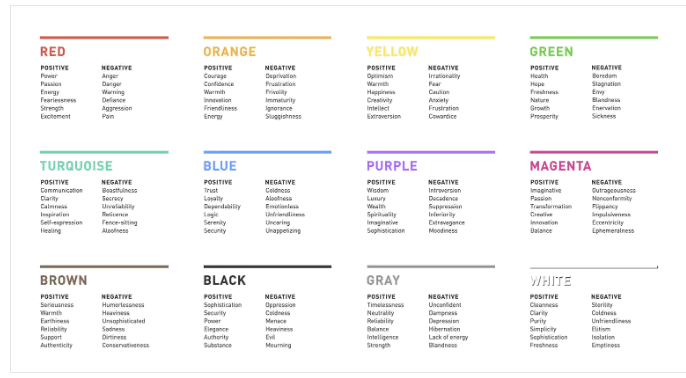
For example, if you’re a luxury brand, you might choose variations of purple, white, and/or black as part of your color palette. Selecting the right colors is crucial, as they help convey your brand values and ensure recognition across all marketing materials.
Once you have your branding assets, make sure they’re all in one spot. I recommend creating brand kits to manage your logos, colors, and fonts for consistency, and a dedicated visual style guide that consolidates your specific color palettes, logos, and illustrations in one place. Brand kits help streamline the creation of assets and ensure brand consistency across all marketing materials.
You also need comprehensive brand guidelines—sometimes called a style guide—for your messaging and marketing communications. Brand guidelines serve as a manual detailing how branding elements such as your logo, fonts, colors, and visual identity should be used consistently across all channels and internal communications. This is essential for maintaining brand consistency and providing your team with clear instructions for applying assets correctly.
In your messaging style guide, include your:
- Brand personality and tone of voice (warm, conversational, educational, etc.)
- Writing style preferences (sentence length, formal or informal)
- Guidelines for formatting and structure across platforms
- Examples of on-brand and off-brand messaging
- Key messaging pillars and tagline examples
- Clear terms to use and stay away from
Document all these elements—logos, colors, typography, and more—in your brand guidelines. All these elements must work together to create a cohesive and memorable brand identity.
The entire process of brand development, from initial concept to implementation, is supported by these guides, acting as a GPS for your branding journey.
Omnichannel consistency ensures a seamless experience across all customer touchpoints, enhancing recognition and trust.
Make sure relevant team members have access to these. That might include your marketing and SEO teams, PR team, sales teams, virtual assistant, copywriters, content writers, and product designers.
Include your style guides as separate tabs in your brand building doc.
Step 5: Choose your marketing channels and campaign types
Which marketing channels and campaign types will you be using to get the word about your products and services? Email marketing? Social media marketing? Link building campaigns? Consider your overall brand marketing strategy, which is essential for increasing brand awareness and connecting your values with your target audience.
Be very specific.
For example …
“We plan on using:
- Content distribution channels like email newsletters, blog posts, and partner websites to reach our audience where they’re most engaged.
- Social media channels and platforms, such as LinkedIn, YouTube, and X, to build brand awareness, engage with our community, and share achievements.
- Industry forums on Reddit and Quora and LinkedIn groups.
- Ad channels, like Google, LinkedIn, and YouTube.
Building brand awareness requires consistent messaging and engagement across multiple channels, ensuring your brand voice is unified whether customers interact with you online or offline.
We’ll be focusing on:
- SEO campaigns, leveraging search engine optimization to increase brand visibility, organic traffic, and search engine rankings
- Establishing partnerships with relevant journalists, online publishers, and influencers
- Social media campaigns
- Link building campaigns
- Ads
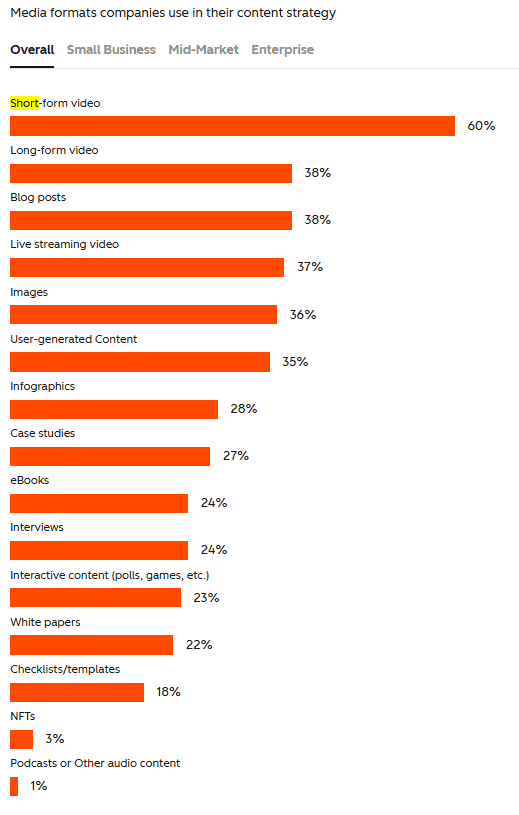
Fun fact: According to HubSpot’s The 2026 State of Marketing Report, short-form videos are delivering the highest ROI currently.
Adapt your brand building strategies by leveraging digital tools and analytics to track progress and future-proof your brand.
According to a Nielsen survey, 59% of consumers prefer to buy new products from brands they know, highlighting the importance of strong brand recognition in purchasing decisions.
Recognition and reputation not only enhance customer experiences but also add value to your products, as customers associate positive experiences with your brand, leading to increased price acceptance.
In fact, studies have shown that drawing attention to brand elements before a product can increase price acceptance by up to 100%. In other words, customers are willing to pay more for a product from a brand they know and trust.
Again, document all of this in your brand building doc. If you choose SEO content as one option (which you should) make sure to start looking for a white-label partner.
Step 6: Plan, test, and refine funnel based marketing campaigns
Work with a content marketing agency that specializes in your niche to plan marketing campaigns based on your sales funnel. Ensure they help you implement comprehensive brand building strategies and actionable strategies for campaign optimization.
Ask them to help you plan, test, and refine:
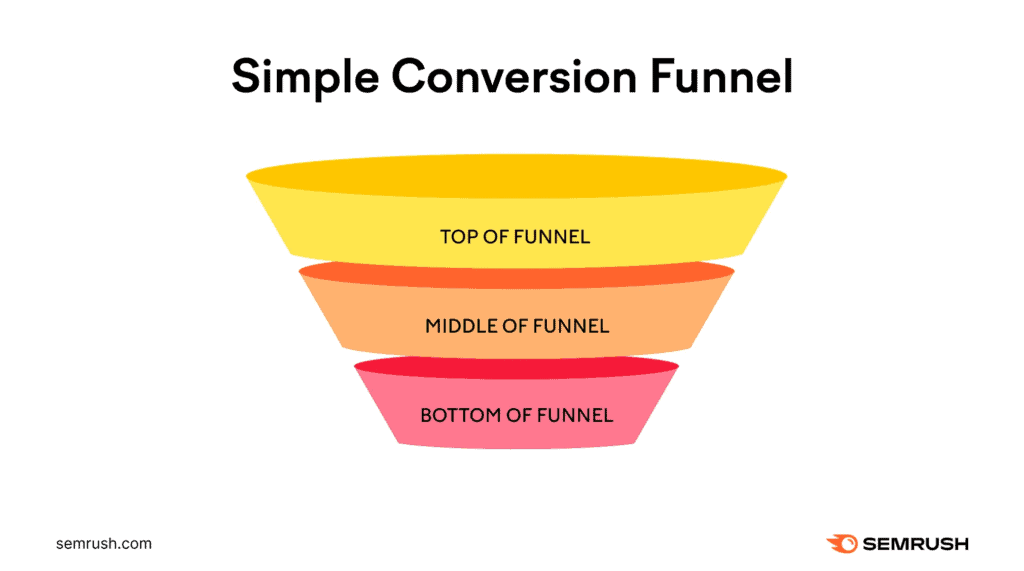
- Top-of-funnel (TOFU) campaigns for brand awareness and to attract quality leads.
- Middle-of-funnel (MOFU) campaigns to build trust.
- Bottom-of-funnel (BOFU) campaigns to convert interest to sales.
(Make sure your marketing agency has access to your style guides and brand building doc, so they can focus your campaigns the right way.)
Ask for monthly or quarterly insights that show which campaigns are helping you reach your goals best. Continuous improvement based on KPIs like Net Promoter Score and Customer Loyalty Index is essential to refine your brand strategy.
Make it clear that they need to:
- Duplicate campaigns that help you acquire trust and that have a high ROI. (Bonus points for having a high monthly recurring revenue as a result.)
- Pause or stop campaigns that aren’t delivering results or are wasting budget.
Step 7: Tune in to what people are saying about your brand (and do something about it)
Check social media, Reddit, Quora, LinkedIn, and industry forums to see what people are saying about your brand. Respond to comments and questions quickly — even negative ones. (You can use a social listening tool, like Mention, to find referral sources faster.)
When you come across positive mentions, screenshot them and save them in a user-generated content (UGC) doc. Hand this off to any marketers who are helping you, and have them include these on your website, sales pages, and content marketing campaigns when relevant.
Nurture your loyal customers by encouraging them to share reviews and content—giving them a voice helps strengthen your brand’s reputation and advocacy.
Be sure to also collect feedback with polls, surveys, and customer interviews.
Look for patterns in what your audience struggles with or wants more of throughout the customer journey.
Use these insights to refine your products, messaging, and campaigns, ensuring your existing brand continues to meet evolving customer needs.
Engaging with your community not only builds trust but also strengthens brand loyalty. Building a community of brand ambassadors who share authentic reviews and user-generated content can further enhance the testimonial economy and amplify your brand’s reach.
Bonus tips:
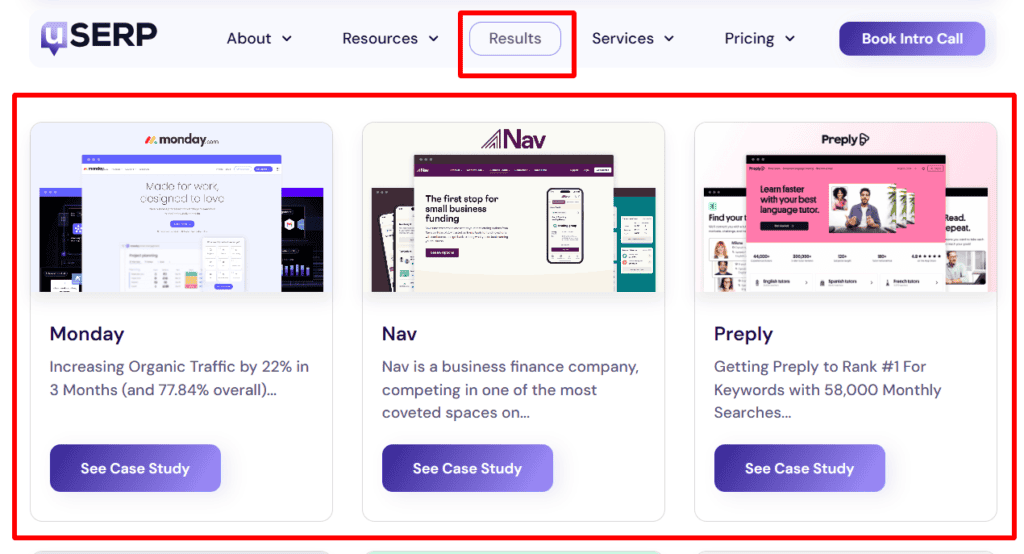
- Turn success stories into case studies to show proof of your brand’s value. Feature these in a “Results” tab on your website and on your sales pages and social media profiles.
- Pitch your brand to get featured in PR releases and authoritative sites in your niche to build trust and authority. (uSERP specializes in this if you need help!)
Continue working with your marketing agency to see what’s working best and make choices accordingly.
Brand success and measurement
Measuring success is essential to ensure your brand building efforts are delivering real results. A successful brand strategy includes a clear plan for tracking key metrics such as brand awareness, customer loyalty, and sales growth.
By regularly evaluating these indicators, you can assess the effectiveness of your brand building campaigns and identify areas for improvement.
Monitoring your brand’s performance allows you to make data-driven decisions, optimize your brand strategy, and ensure your efforts are aligned with your business objectives.
Successful brand building is an ongoing process—by tracking key metrics and adjusting your approach as needed, you can build a strong brand that not only attracts new customers but also fosters lasting loyalty and drives sustained business success.
Wrap up
Brand building requires a clear brand identity and mission. Following the entire process outlined in this article is key to brand building success.
Be sure to: Nail your story, know your audience, and keep your messaging and visuals consistent. Track what works, ditch what doesn’t, and use feedback to make smarter decisions.
Document every step and keep iterating. That’s how you transform your brand from “meh” into a powerful brand that stands out and drives long-term business growth and recognition.
Need help getting your brand noticed online? Let uSERP handle your link building and SEO content marketing campaigns. We’ll make sure you reach the right people and get a high ROI.
FAQs about brand building
What is brand building?
Brand building is the process of creating and strengthening a brand’s identity, reputation, and emotional connection with its customers.
Why is brand building important?
Brand building is important because it helps differentiate your business from the competition.
It is crucial for both new brands looking to establish themselves and existing brands aiming to strengthen or revamp their presence in a competitive market. It also helps build customer loyalty and increases market value over time.
How do you create a strong brand identity?
Define a clear brand purpose and your values. Then, design consistent visual elements and craft a unique voice. Finally, create sales-funnel marketing campaigns—and always promote a seamless customer experience.
What role does social media play in brand building?
Social media amplifies your messaging, engages communities, and supports real-time interaction and feedback.
How long does it take to build a brand?
Building a strong brand can take months to years, depending on your strategy, consistency, and market dynamics.
Can brand building increase sales?
Yes, effective brand building fosters trust and loyalty, which often translates into higher sales and customer retention.
How do I measure brand success?
You can measure brand success using metrics such as brand awareness, customer engagement, brand equity, and emotional resonance.
What is personal branding, and why is it important?
Personal branding is the practice of establishing a powerful and authentic identity for individuals—such as entrepreneurs, freelancers, and professionals—in the digital age.
It is important because it opens new opportunities, helps create a recognizable presence, and differentiates individuals in their field.