If you’ve felt whiplash keeping up with Google Search, AI Overviews, and shifting ranking signals, you’re not alone.
In this guide, we debunk search engine optimization (SEO) myths that still waste time and budget in 2025. You’ll see what actually moves the needle for search engines, organic traffic, user intent, and brand visibility, and what doesn’t.
Highlights
- Top SEO myths include glorifying backlinks, claiming “SEO is dead,” and the belief that Google penalizes AI-generated content.
- Zero‑click behavior is rising. Answer engine optimization and entity depth keep you visible.
- Core Web Vitals and the Page Experience system support rankings, but content quality and relevance win.
- E‑E‑A‑T guides quality and user experience, but it isn’t a direct ranking factor.
- AI‑generated content can rank when it’s original, practical, and edited for users.
SEO myth #1: Backlinks are all that matter
Links still influence rankings, but 2025 isn’t 2015. Search engines evaluate signals beyond raw backlink totals.
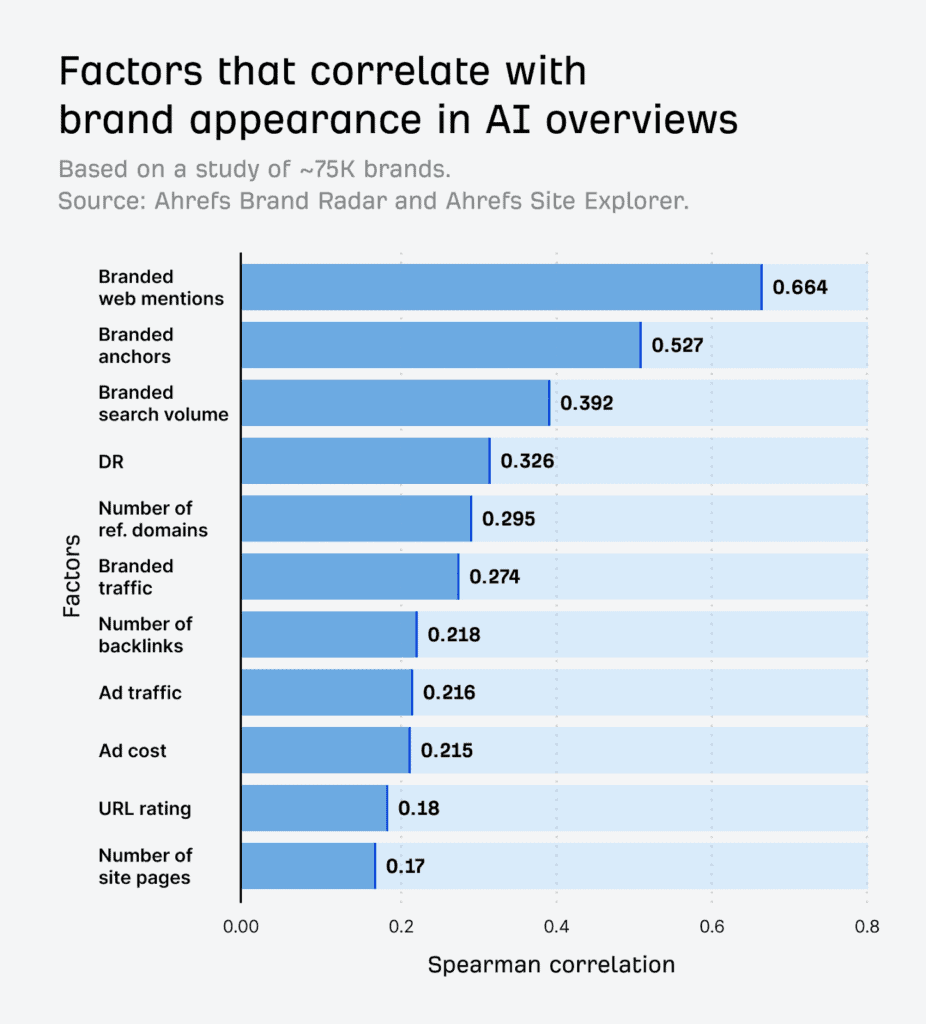
Recent Ahrefs research shows that broad brand presence and unlinked web mentions correlate more strongly with visibility in AI Overviews than sheer link counts. That flips the “links are everything” mindset on its head.
This explains why brands with strong entity signals can surface even when a competitor has a larger backlink profile.
Here’s what you should focus on:
Build niche‑relevant backlinks with link baiting assets people actually want to cite. You can also grow brand search and unlinked mentions via smart distribution. This includes podcasts, interviews, Reddit, communities, and PR hooks.
Structure pages so they’re easy for search engines to cite. Write concise introductions, clear headings, summaries, and schema where relevant.
Formatting that aids answer engine optimization makes it easier for AI systems and traditional search engines to reference your pages. With a hub strategy and smart internal linking, you create citable assets at the center and supporting spokespeople around them.
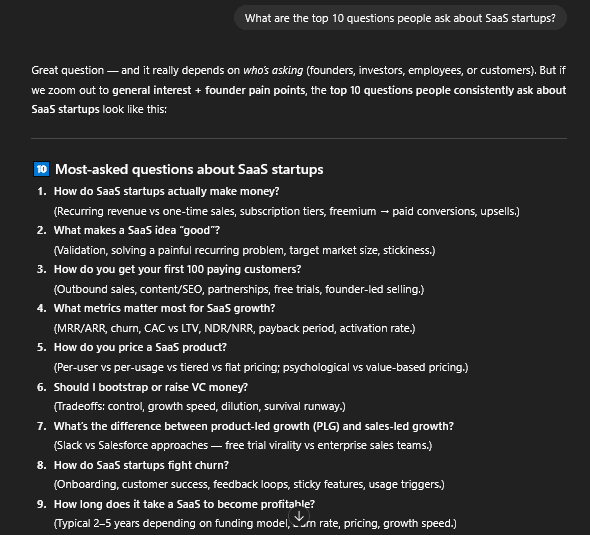
One of the best ways to capitalize on both rankings and AEO is to speak the way your customer speaks. Use conversational language when talking about their pain points and answering their questions.
This is the same language that they’ll use to search with or ask about in large language models like ChatGPT.
Screenshot taken by the author
SEO myth #2: SEO is dead because of AI and zero‑click results
Zero‑click growth doesn’t mean SEO is dead. It just means how searchers consume answers is evolving.
The Datos State of Search 2025 report shows organic clicks still number in the hundreds of billions. The SEO playbook has shifted, as it’s no longer about chasing “10 blue links.” In 2025, it’s about structuring content for snippets, perspectives, and AI citations
So yes, once again, “SEO is dead” is another pick in the yearly SEO myths bucket.
Here’s what you should focus on:
Your goal in 2025 should be to optimize for user intent. And this goes beyond writing in natural, conversational language.
You have to anticipate follow‑ups and package answers so they’re easy to cite. Consider their subconscious questions and fears, and address them before they become a concern.
Do that, and you’ll increase your chances of ranking in SERPs and AEO. But don’t forget that not everyone is on Google and ChatGPT.
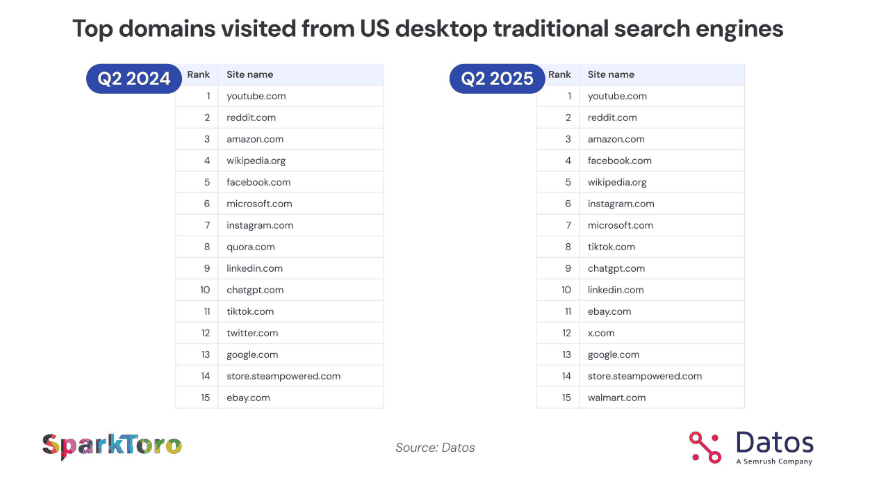
If your buyers live in forums, mapping entities and threads with Reddit SEO strategies can seed demand while you build topic depth. After all, Google isn’t the first domain people use in traditional search:
SEO myth #3: Google will penalize AI‑generated content by default
Google doesn’t punish content because it’s AI‑generated. It punishes low‑quality or spammy content.
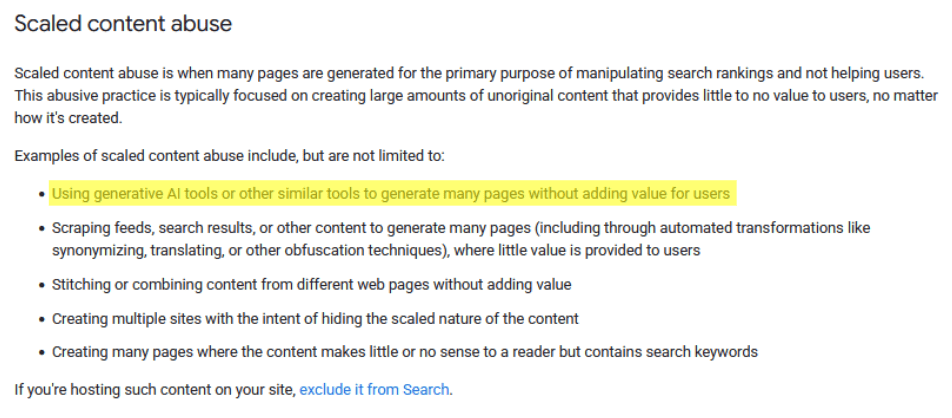
Google’s guidance on AI‑generated content emphasizes quality, originality, and usefulness as the standard. And users see that too. We’re already seeing audiences catch AI-generated content and become more skeptical.
Brands that treat AI as a drafting aid and then fact‑check, add a unique perspective, and edit for clarity can compete.
Here’s what you should focus on:
- Publish experience‑rich pieces. Add sources, screenshots, data, and expert commentary.
- Use AI for outlines and drafts. Have humans refine voice, accuracy, and usefulness.
- Avoid scaled thin content. Keep duplicates in check with a canonical tag. Use Google Search Console and the Index Coverage report to verify indexing.
Treat AI as a workflow component, not a replacement. Add regular technical SEO audits to keep templates, internal links, and crawl paths consistent as you scale.
SEO myth #4: E‑E‑A‑T is a direct ranking factor
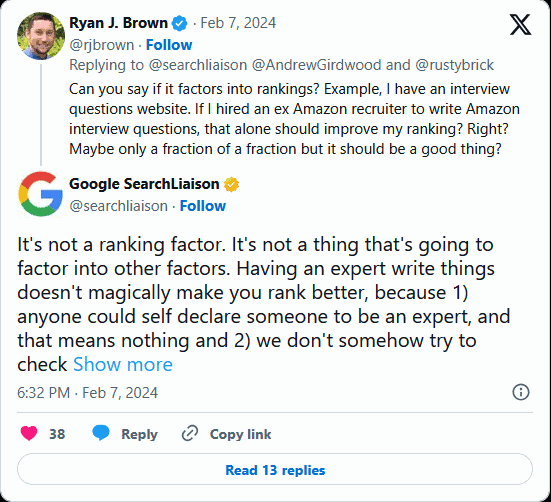
E‑E‑A‑T (experience, expertise, authoritativeness, trustworthiness) is a quality framework, not a single ranking signal.
In 2025, Google clarified that E‑E‑A‑T is not a ranking factor. Use it as a content compass for building trust with users and with systems that look for signals of credibility.
Here’s what you should focus on:
- Demonstrate real‑world experience: author bios, case studies, first‑party data, and transparent sourcing.
- Earn third‑party citations and niche‑relevant backlinks that support your claims.
- Align on‑page elements (like meta titles, headings, and internal links) with the specific task the searcher is trying to complete.
SEO myth #5: Perfect Core Web Vitals guarantee top rankings
Performance matters, but squeezing INP from 250ms to 200ms won’t outrank a better answer. According to Google’s page experience documentation, Core Web Vitals (LCP, CLS, and Interaction to Next Paint) support ranking outcomes, but they don’t guarantee a change in ranking.
Treat CWV as hygiene and prioritize content that resolves tasks.

Here’s what you should focus on:
- Always build for a responsive design first. It saves you time from messing with fonts, blocks, and accessibility later.
- Get CWV into the “good” range for your core and template pages. Then pivot effort to content depth, schema, and links.
- Fix obvious UX issues. Check for bouncy layouts, slow hero images, broken responsive design, intrusive overlays, and poor mobile friendliness.
- Monitor real‑user data (RUM) and ship small performance wins with each release.
SEO myth #6: Great content doesn’t need backlinks
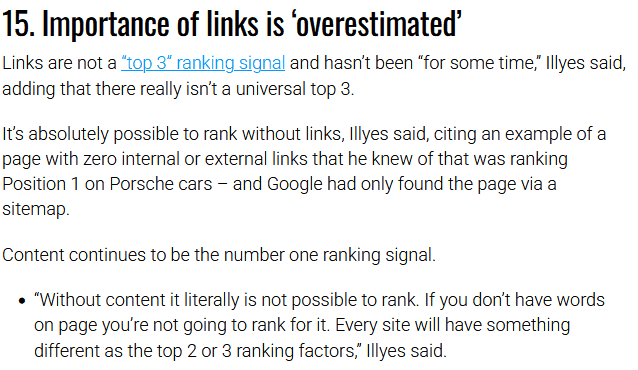
“Publish and pray” doesn’t work in competitive SERPs. Google has down‑weighted links somewhat in recent years, but it still uses them as signals of reputation and discovery. Gary Illyes said links haven’t been a top‑3 factor for some time, which means great content needs some amplification, not none.
Here’s what you should focus on:
Build content hubs and internal links that map to user intent. Then focus on distribution so that your best pieces are seen, cited, and internally linked.
Pitch original research, visuals, and calculators. Promote them via email, communities, and partners.
Track referring domains, anchor variety, and niche‑relevance. If social is part of your plan, use tools like stories and Instagram hashtags to jumpstart discovery and unlinked mentions that later become links.
SEO myth #7: Publishing more is better than publishing better
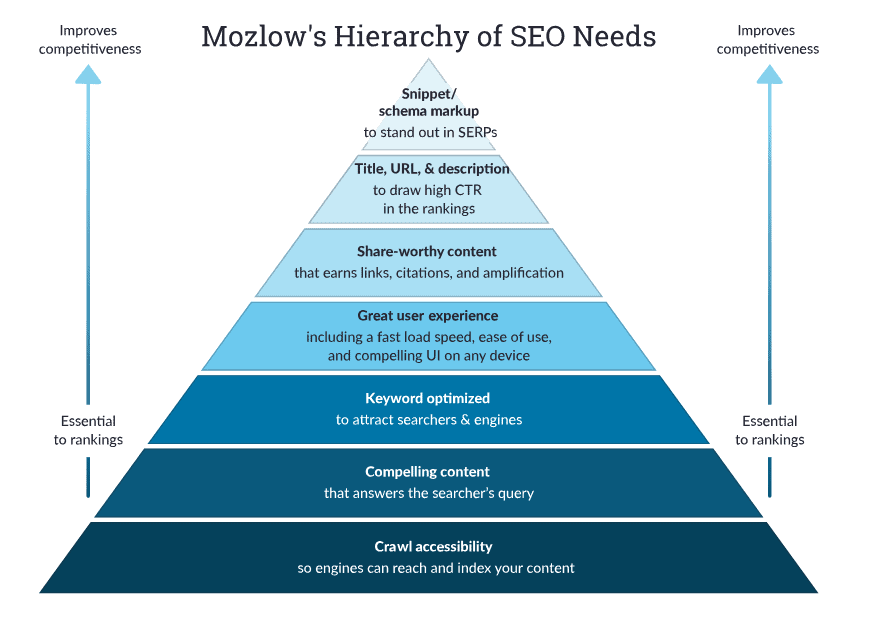
Volume without value risks tripping spam update filters and bloats your crawl. Google’s ranking systems look at many signals, but a flood of thin pages can dilute how your site is understood. Consolidation and clarity help the search engine see which URL should rank.
Google’s spam policies set clear expectations against scaled, low‑value content designed to manipulate rankings. That doesn’t mean you can’t publish often, but just make each URL worth indexing.
Here’s what you should focus on:
- Consolidate weak URLs. Use 301 redirects and the canonical tag to resolve duplicates.
- Prune or improve thin posts. Tighten site architecture with hub pages and breadcrumbs.
- Publish on a cadence so your team can edit and approve posts.
- Avoid publishing duplicate content or pages with an extreme keyword density.
Create and frequently update an SEO checklist to help your editorial team stay on track with the latest Google algorithm updates and maintain consistency when scaling content.
SEO myth #8: Longer content always ranks better
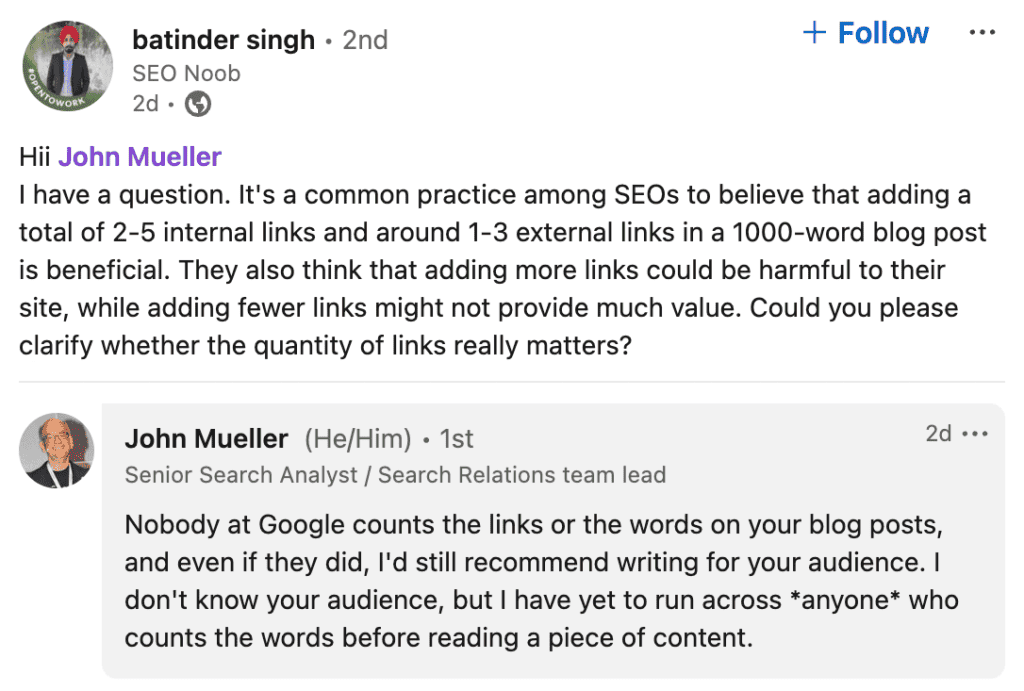
There’s no ranking bonus for word count. Long-form content helps only if it answers more of the task.
Google has repeatedly stated that word count isn’t a ranking factor. It only helps if it increases relevance and coverage for the query. For example, Google even reduced the word count of its own SEO starter guide.
Here’s what you should focus on:
First, always write to the user’s intent. Check the top SERP layouts and look at competing articles on SEO tools like Frase. If short answers dominate, meet that need.
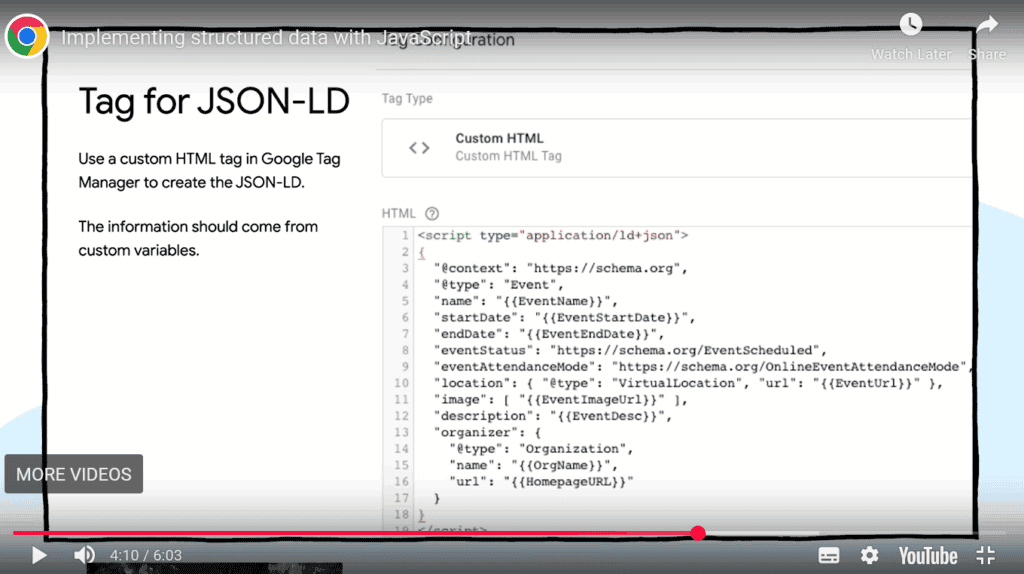
When writing, use clear headings, tables, and lists to enhance readability. Add schema when it can win space (like Product, HowTo, and Organization).
When you edit, make copy scannable. Use short paragraphs, captivating meta keywords, and logical subheads. If you want more practice on writing better content, look for training courses at Gotch SEO Academy.
SEO myth #9: Schema markup boosts rankings on its own
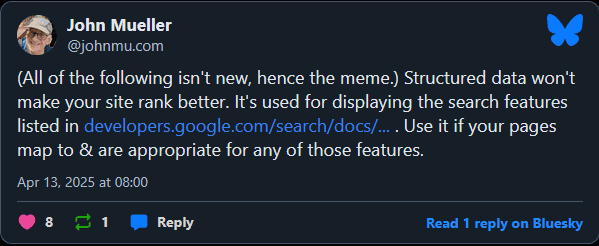
Structured data helps search engines understand context and can unlock rich results where supported. But schema is an enabler, not a direct ranking booster.
When folks claim that schema will “increase rankings,” they’re confusing eligibility for features with core ranking.
Here’s why. Google representatives have reiterated that structured data does not directly improve rankings. However, you should still implement schema markup as part of your technical SEO to improve comprehension.
Here’s what you should focus on:
- Implement relevant schema (Organization, Product, Article, FAQ/HowTo when applicable).
- Pair schema with clear headings, great copy, and clean HTML. You still need relevance and authority.
- Track whether SERP features actually appear. Some formats may have changed or been deprecated.
SEO myth #10: Local SEO is dead because AI Overviews replaced the map pack
If you’re battling whether to optimize local discovery for GEO vs SEO, you don’t have to choose.
Because local discovery still depends on Google Business Profile (GBP), categories, NAP consistency, and local relevance on your site.
AI Overviews may summarize, but users still click for menus, hours, bookings, and service details. They also still use map packs to navigate.
Here’s what you should focus on:
- Keep GBP complete. Add services, photos, Q&A, and fresh updates. Build out local landing pages with genuine details and internal links.
- Improve page load speed, mobile friendliness, and responsive design. Test CTAs with A/B testing.
For distribution, don’t restrict yourself to one channel. Let local SEO work for you on social media platforms like Instagram by sharing posts, stories, and promoting user-generated content. Social media can amplify reviews and social proof that later show up as mentions.
SEO myth #11: Running Google Ads boosts organic rankings
Paid and organic live in separate systems.
Ads can help grow brand awareness and attract new customers. This indirectly improves organic (more searches, mentions, and links). But buying ads won’t raise your website ranking by itself, and Google documents that advertisers don’t receive ranking boosts.
Here’s what you should focus on:
- Use ads to validate offers and keywords while your keyword research and content mature.
- Set up different ad campaigns for branding and keyword vs. lead magnets, sales funnels, and offers. Different purposes mean a different size and quality of leads that land on your site.
- Feed winning ad messages back into titles, intros, and long‑tail keywords.
- Treat ads and SEO as complements that share insights, not as a single channel.
SEO myth #12: You should constantly disavow “toxic” links
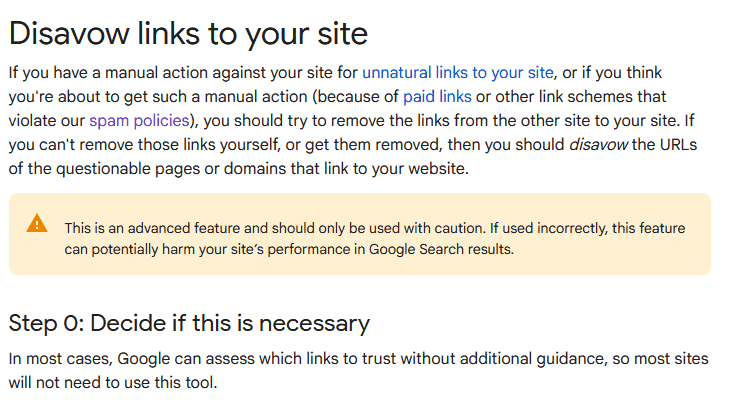
Modern systems automatically discard a lot of junk. Unless you have a manual action or clear evidence of a link scheme you can’t remove, routine disavow isn’t needed.
Google’s own documentation frames disavow as an advanced, last‑resort tool, not a quarterly checklist item.
Here’s what you should focus on:
- Earn better links and mentions. Monitor suspicious spikes.
- If necessary, send outreach to the webmaster and ask them to remove the link.
- If the webmaster doesn’t reply, consider disavowing based on whether the site looks spammy, dangerous, or a scam.
SEO myth #13: AI‑generated images are penalized in image search
There’s no evidence of a blanket penalty for image origin. What matters is relevance, context, and basic hygiene. That’s clear filenames, descriptive alt text, dimensions, and formats.
If an image helps users complete a task or understand a concept, it’s valuable, regardless of whether a designer or a model created it.
In fact, Google’s AI documentation focuses on crawlability, context, and descriptive text. It doesn’t put much focus on its origin or how it was created in the first place.
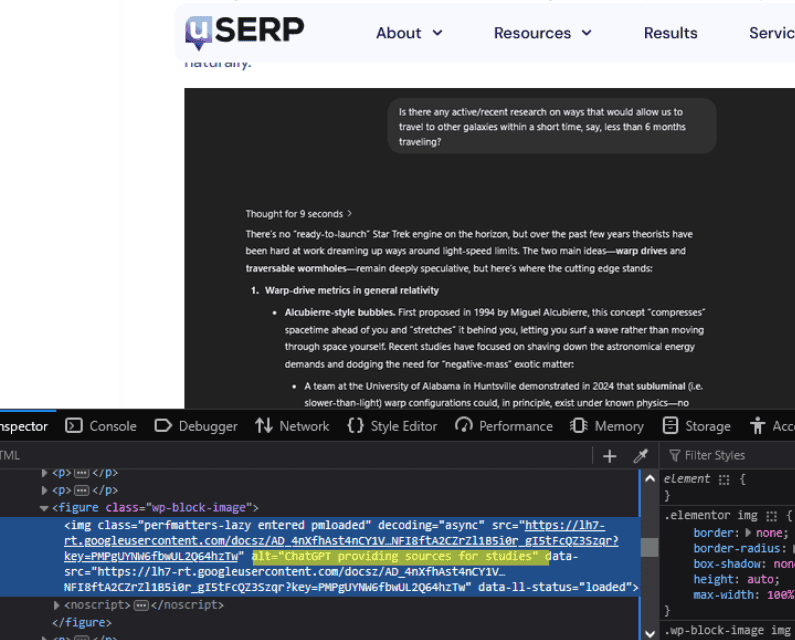
However, keep in mind that you still need to identify AI-generated images by their metadata in some cases. Google Merchant Center has specific policies for e-commerce sites, which require setting these attributes.
Here’s what you should focus on:
- Use images that explain or prove your points (charts, UI screenshots, and before-and-after).
- Include descriptive captions. Consider schema markup where relevant.
- Ensure you have an SSL certificate, compression, and lazy‑loading enabled. Test the loading speed on mobile for your users.
Final verdict on SEO myths in 2025 and beyond
SEO hasn’t died, it’s evolved. Both now and in the future, debunking persistent SEO myths means pairing helpful, original content with genuine distribution, niche-relevant backlinks, and robust technical SEO.
Start building topical depth, brand mentions, and trustworthy UX that answer real questions, on the results page and on your site.
Ready to leverage what works (not SEO myths) and compound results with a team that lives this every day? Talk to uSERP about our AI SEO agency.