





Generic content can still create visibility, but it rarely creates a useful customer experience. Content personalization changes that by matching each visitor’s needs, intent, and stage in the buyer’s journey, so the content feels relevant instead of interruptive.
In 2026, that relevance is the baseline. People ignore most marketing because it does not reflect what they need in the moment. Brands that tailor content around real customer intent are better positioned to earn attention, reduce friction, and guide visitors toward the next useful action.
That is why personalization now belongs in the customer experience strategy, not just the marketing calendar.
Are you interested in the extent to which personalization shapes CX? Want to incorporate it into your digital marketing strategies?
This guide will teach you how content tailoring works and how to use it to deliver an even better customer experience to leads.
Let’s get into it.
Highlights
- Consumers don’t just demand personalized experiences. They’re disappointed when brands fail to deliver.
- Most people ignore marketing messages that seem irrelevant. Personalization, however, drives both engagement and conversions.
- Investing in tailored content is one of the best ways to cut through the noise in any industry. Even more, it’s one of the strongest ways to design more relevant customer experiences.
- Focus your content personalization efforts on high-ROI tactics. The five strategies discussed below are a great start for most brands.
The era of content personalization and hyper-relevant content
Source: mckinsey.com
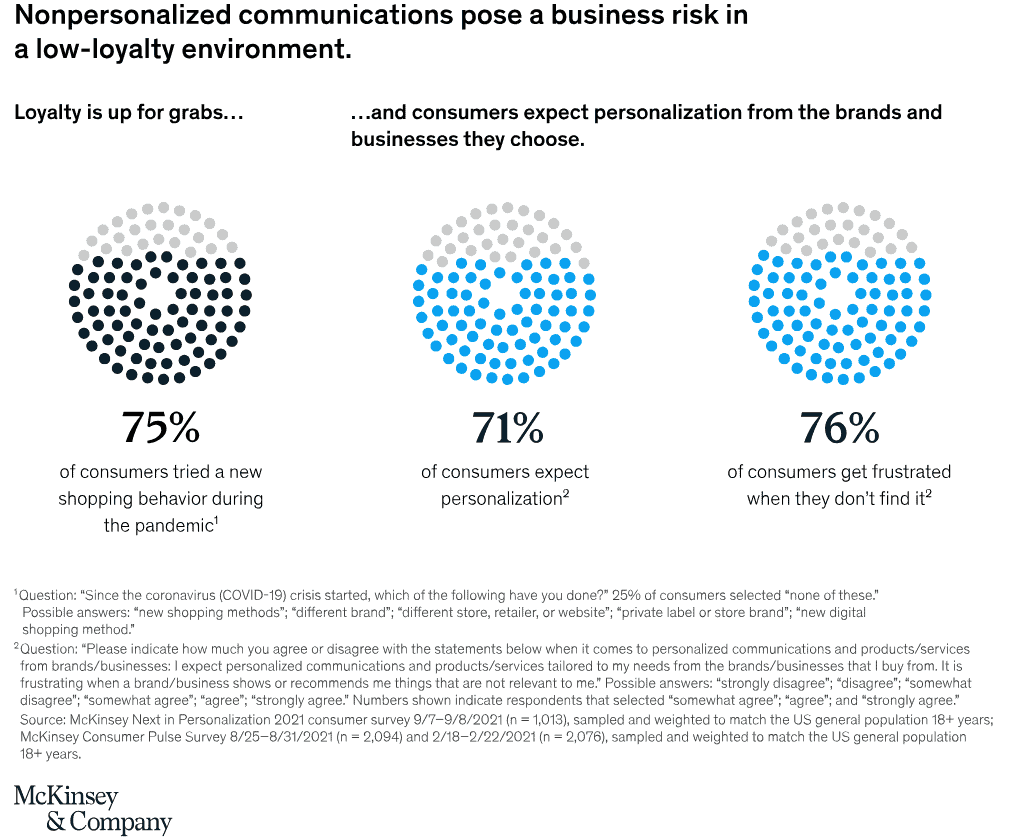
Content tailoring is a key aspect of a successful digital marketing strategy. Not just because consumers demand it. Much more importantly, it’s one of the few ways to reach consumers in 2026.
Just look at the research findings from Attentive.
In its 2025 survey, this organization discovered that:
- 81% of people ignore irrelevant marketing messages.
- 71% of consumers become frustrated by irrelevant branded messaging.
- Receiving a generic marketing message makes 1 in 4 consumers less likely to convert.
Personalization, on the other hand, delivers immense benefits. 96% of shoppers who interact with personalized content are likely to purchase. And injecting personalization into customer experience even promotes brand loyalty.
Of course, higher conversion rates and better lead engagement aren’t the only growth-specific benefits of investing in tailored content.
Customer-centricity can also streamline your sales cycle. It can boost customer lifetime value by improving loyalty. It can give you a competitive advantage in your niche. And it may even lower your marketing costs by ensuring the right prospects get the right messages at the right point in their buyer’s journey.
With this in mind, the question isn’t whether personalized content is required to reach your business goals. Instead, it’s all about how you can use personalization to elevate customer experiences and grow your business.
The role of customer experience design in driving business success
For the longest time, consumers had very clear demands when choosing which brands to buy from. They wanted value for money, product quality, and reliability.
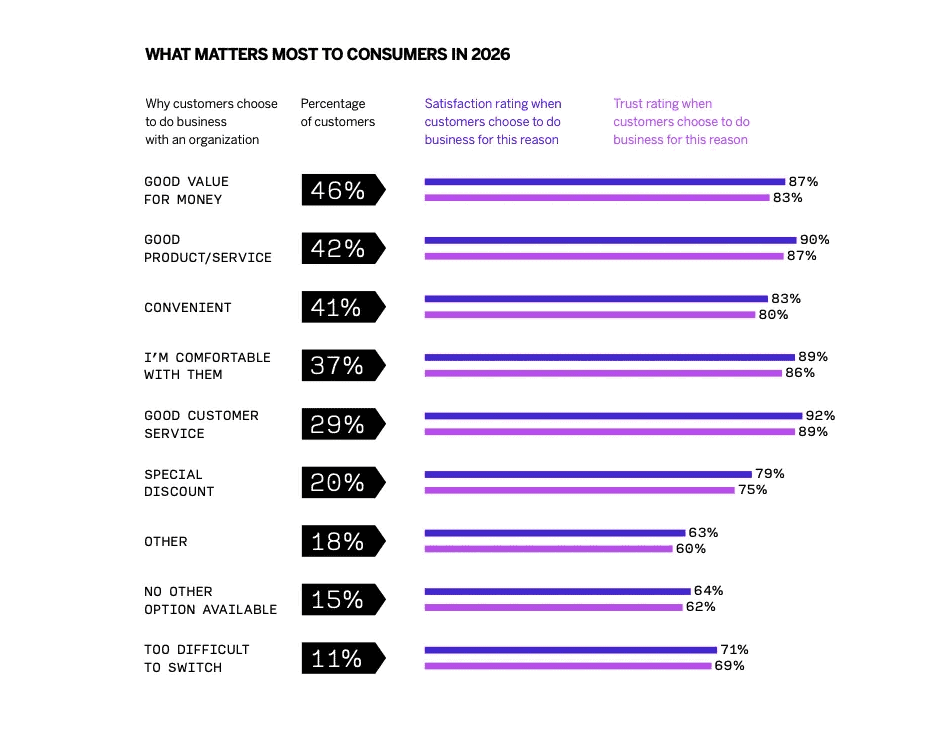
However, things are changing in 2026. According to new data, customer experience is becoming an increasingly prominent consumer demand. More importantly, research shows it’s well worth investing in.
Source: qualtrics.com
In a recent report, Qualtrics found that shoppers pay attention to several CX factors when making buying decisions. Convenience, customer service, and feeling special while buying from a business all influenced satisfaction and trust.
Furthermore, data from Qualtrics suggests that 72% of people are prepared to pay a premium for elevated brand experiences. This goes to show just how valuable CX is to consumers.
That value is where content personalization becomes practical. When content reflects a visitor’s intent, industry, or stage in the journey, CX stops being a broad brand promise and becomes part of the actual buying experience.
This matters because personalized content can make each interaction feel more relevant, useful, and timely. It can help visitors understand your offer faster, reduce friction in the buying journey, and strengthen their perception of your brand.
Naturally, there are several effective methods to design enjoyable customer experiences. And you can use multiple tactics to drive long-term business success.
For instance, you can focus on improving the quality of your solutions. You can explore opportunities to make shopping with your brand more convenient. Or you can focus on optimizing for customer satisfaction in the post-purchase stages of the buyer’s journey.
Nevertheless, if you want to create outstanding customer experiences, you will have to invest in content personalization.
How to use content personalization to elevate customer experience
The idea of tailoring content to specific customer needs may seem intimidating. Especially if you’re still not comfortable with data-driven marketing campaigns. Or if you don’t want to use AI in your digital strategies.
Nevertheless, neither of these obstacles means that you can’t benefit from investing in content personalization. Here are the best ways to shape the customer experience with tailored content — regardless of your industry.
Use content personalization to create hyper-relevant content for each audience segment
Source: review.content-science.com
What’s the easiest way to shape customer experience with personalized content marketing?
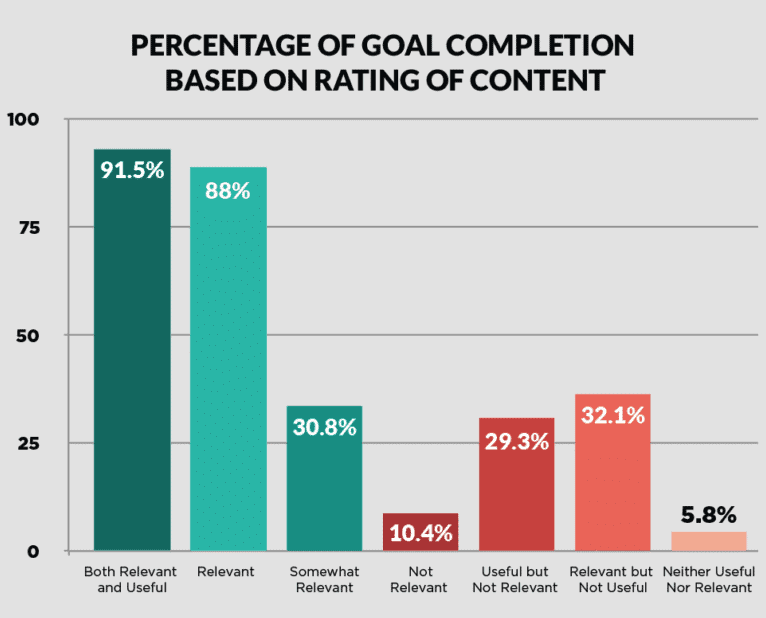
If you want a high ROI (with minimal effort), just populate your online presence with resources that are relevant to different audience segments.
Think of it this way. You don’t want potential customers to have to look for resources that address their pain points. Even more, you don’t want them to have to dig through your content pages to find answers to their questions.
Instead, you want to make it exceptionally easy for them to find hyper-relevant content.
That way, they’ll immediately realize that your business offers relevant solutions to their needs. Furthermore, this approach can prevent qualified leads from leaving your sales cycle because they don’t recognize the value of your offer quickly enough.
Naturally, there are several approaches you can employ when implementing this content marketing tactic.
For instance, you can do something similar to the Freeburg Law.
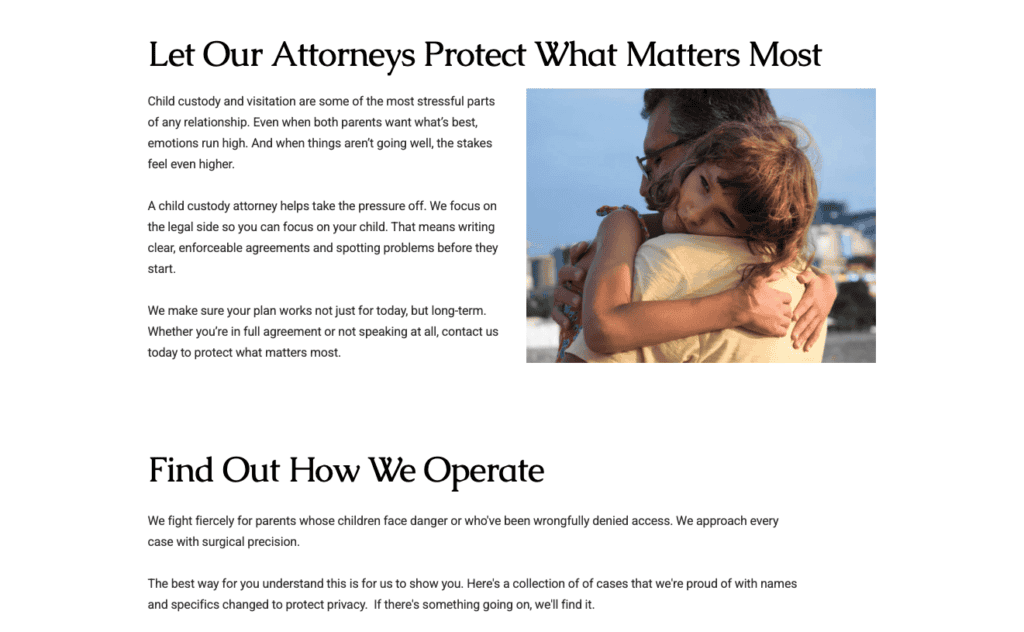
This law firm offers services in several practice areas. So, it understands that it’s crucial for potential customers to quickly recognize that Freeburg Law has the expertise to meet their legal needs. To accomplish this goal, the brand produced multiple targeted content pages. And each one addresses a highly specific niche.
In doing so, Freeburg Law ensures prospects can quickly find content that matches their needs. Consequently, the brand creates a more streamlined customer experience and encourages faster movement through the buyer’s journey.
This can also improve satisfaction because visitors do not have to work as hard to understand whether the service applies to them.
Source: tetonattorney.com
Create personalized content that matches the buyer’s position in the sales funnel
Consumers populating different stages of the sales funnel have very different needs.
Imagine a lead who’s only becoming aware of a pain point. At the end of the day, they will benefit from an entirely different type of content than someone who’s almost ready to buy. This is why intent optimization is such an important aspect of SEO.
When investing in personalized content meant to improve customer experience, consider the reader’s or viewer’s position in the sales funnel. Cover topics that are related to what your prospects want to learn. And make sure the resource helps web visitors in reaching their goals.
For instance, imagine that you’re targeting a prospect who’s just beginning their buyer’s journey. What’s the best way to engage them? How can you use content marketing to help them resolve their pain points?
The most likely scenario is that these leads won’t need conversion-focused product lists. Instead, they’re much more likely to benefit from resources that familiarize them with the topic at hand. Ideally, ones that do it in a way that’s accessible to non-experts.
So, if you’re interested in creating enjoyable, user-friendly customer experiences, consider your target audience’s needs before clicking the publish button.
You can take inspiration from Brain Ritual on how to do this right.

Source: quiz.brainritual.com
This business understands that different audience segments may suffer from the same ailment. But the causes of their symptoms vary widely. So, instead of just directing all web visitors to buy its products, Brain Ritual created an interactive Migraine Support Quiz.
This content aims to guide prospects in the lower stages of the sales funnel toward a conversion. But there’s another objective: educating customers about migraines. In doing so, Brain Ritual empowers its leads with knowledge. It proves its credibility and expertise. And it gently guides web visitors toward a conversion.
However, the most impactful thing is that it creates a customer experience that feels entirely personalized — one of the best ways to ensure potential buyers feel they’re in the right place to solve their unique pain points.
Invest in dynamic content that aligns with on-site user behavior
But there’s one more aspect of CX that most business owners forget about. And many factors determine how your customers feel about interacting with your brand. Yes, conventional customer experience factors — like product quality or shipping speed — matter in a website user experience design.
When buying from a business, shoppers want an enjoyable experience from start to finish. So, the shopping (and product selection) process itself needs to be optimized for enjoyment.
From a personalization standpoint, one of the best ways to accomplish this is with dynamic content.
As it automatically adjusts based on web user behavior or demographics, dynamic content can be a great tool in your CX arsenal. And it can be as simple or as complex as you wish.
For instance, you can use a visitor’s location to display the correct currency. Or, you can go with a slightly more complex content personalization strategy.
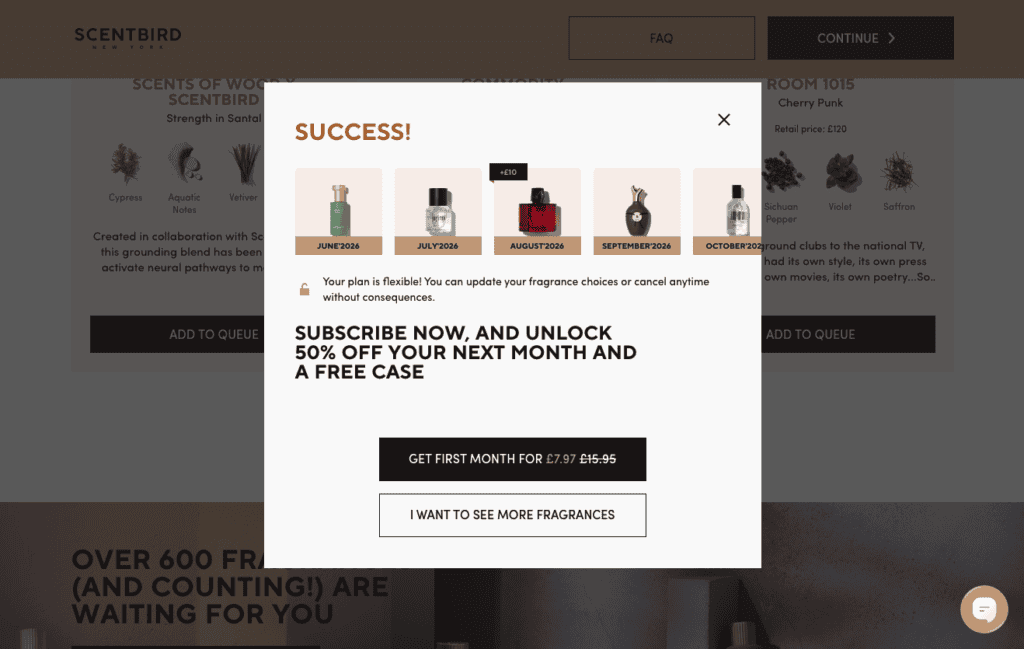
Check out how Scentbird does it.
Source: scentbird.com
This business offers a monthly fragrance subscription and allows shoppers to choose from hundreds of perfumes to try. The brand uses dynamic content to make product discovery feel more personal. When shoppers manage their monthly delivery queue, each on-page action triggers a personalized pop-up that helps them explore more fragrances and refine their choices.
So, this type of personalization works on two levels:
- The content promotes product engagement, encouraging shoppers to add multiple items to their carts.
- The highly personalized list uses anticipation to excite buyers about getting their monthly deliveries.
Provide web visitors with control over what content they see on your pages
So far, we’ve covered content personalization strategies that rely on you predicting your target audience’s wants when presenting them with content.
But here’s the deal. A tailored and enjoyable customer experience isn’t exclusively dependent on you knowing what your prospects will enjoy. Instead, you can reap just as many benefits by giving some control over to your potential customers.
For instance, you can allow web visitors to filter web content based on what they’re looking for. In doing so, you can help them discover more relevant resources based on their needs. And you can even accelerate their progress through the sales cycle.
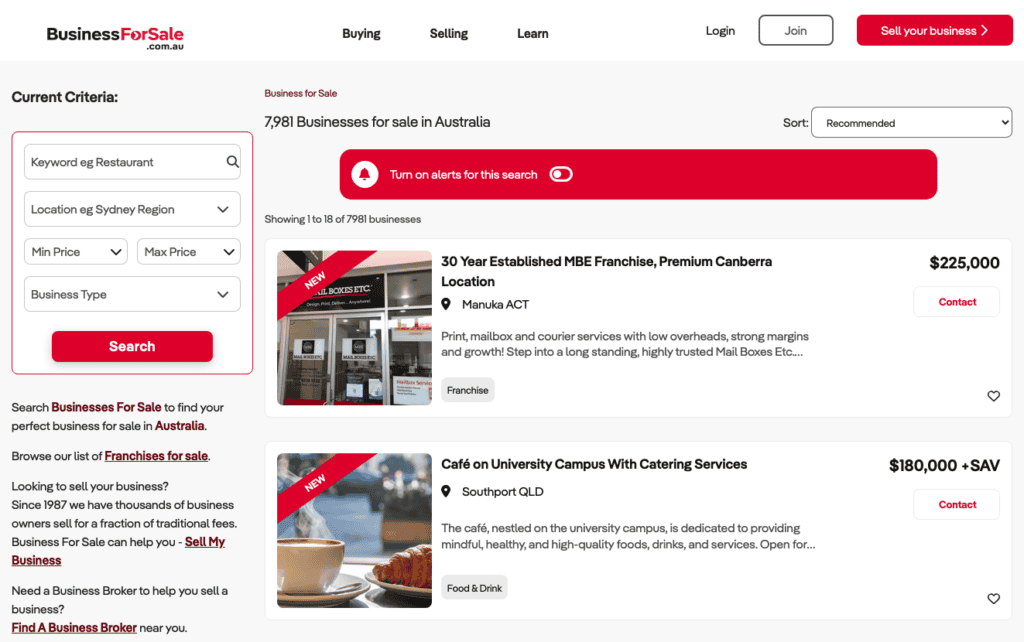
Business for Sale shows how filters can turn a broad marketplace into a more personalized browsing experience.
Source: businessforsale.com.au
This brand comprehends that its prospects aren’t just looking to buy any business. Instead, it understands that most customers have clear ideas about what constitutes a good opportunity. So, to make it easier for leads to find relevant product listing pages, Business for Sale includes an advanced filtering system on its For Sale page.
The UI element invites web users to filter results based on location, price, or niche. And, in doing so, it gives consumers full control over the content they see on the website. It maximizes their chances of finding something they like. Plus, it makes them enjoy the browsing process more by eliminating irrelevant content from the buyer’s journey.
Create focused browsing journeys with personalized content recommendations
Tailoring your website content to align with your prospects’ expectations is a great way to boost customer experience. But while focusing on your posts and how successfully they match customer expectations, don’t forget that the buyer’s journey rarely consists of a single brand touch.
Instead, most shoppers need to interact with a business at least a few times before they’re ready to make a purchase decision.
With this in mind, your content personalization tactics have to accomplish one of two things:
- You can use UX design to create personalized buyer journeys. This approach can encourage web visitors to stay on your website for longer. More importantly, it can maximize your leads’ chances of discovering valuable content (and boost purchase intent).
- You can collect customer behavior data to tailor each brand interaction to match the prospects’ needs.
So, don’t hesitate to incorporate personalized content recommendations into your web presence.
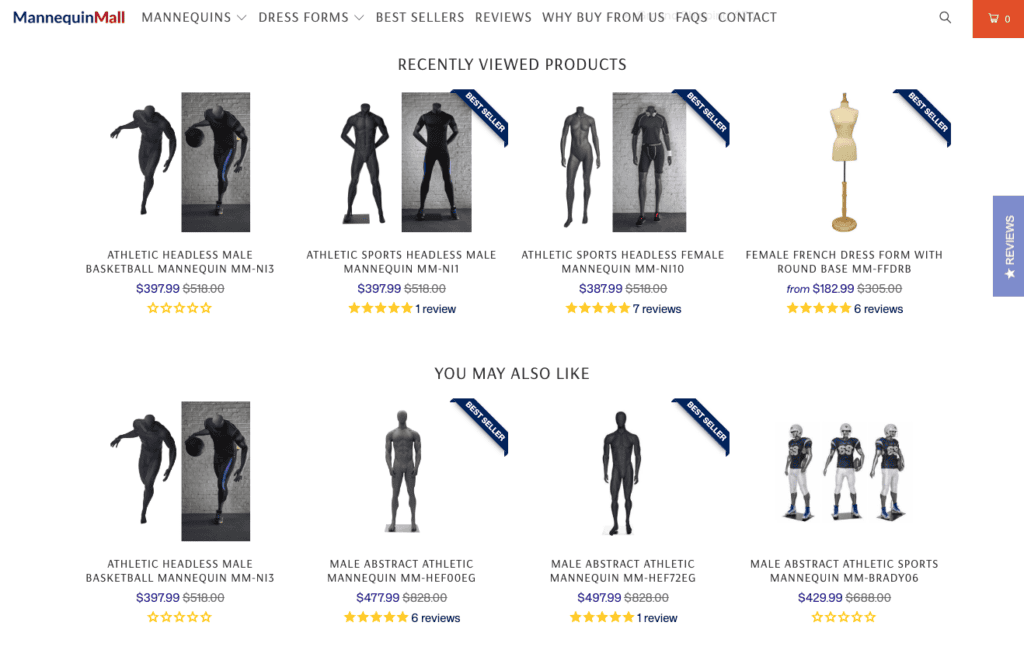
Of course, you don’t have to save this tactic for your company blog. In some industries, you can do what Mannequin Mall does.
Source: mannequinmall.com
This brand understands how its ideal customers browse web pages. And it knows that finding the ideal choice isn’t straightforward. So, Mannequin Mall doesn’t just include product recommendations on its product pages to assist discovery. But it also includes a ‘Recently Viewed’ section, allowing buyers to backtrack to a previously visited page.
In doing so, Mannequin Mall designs a highly tailored shopping experience that doesn’t just feel more personal. But it’s also a more productive way to shop, a factor that is at the base of any enjoyable customer experience.
Conclusion
Content personalization is one of the best ways to create enjoyable customer experiences. However, it doesn’t come without its specific set of challenges.
A growing number of consumers are pushing back with privacy concerns. So, how you tailor your posts to your audience’s needs will determine your success rates.
The personalization tactics covered in this guide are a safe first step. But to get the most out of personalization, you need to start small. Then, track performance and see how your new approach impacts the CX.
If your team needs help turning personalization into search-ready, customer-focused content, uSERP can help integrate SEO, AEO, and content strategy into a single plan. Reach out to uSERP to discuss where personalization can support stronger discovery, engagement, and customer experience.