





Running a startup means living in a world where everything matters, and everything changes at the same time.
One day, you’re building a feature your customers begged for. The next day, you’re fixing a problem that popped up out of nowhere. It’s exciting, sure, but it also creates a messy mix of moving parts that’s hard to wriggle without a real system in place.
Let’s call this system project management for startups.
You can only “wing it” for so long before deadlines slip, priorities blur, and the team ends up working hard without making clear progress.
Managing projects well means giving your team a rhythm. A way to plan, track, and communicate in a way that makes work… well, manageable.
This guide breaks down the process of project management step by step, tool by tool.
Let’s dive in.
Highlights
- Project management gives startups the structure needed to stay aligned. This turns rapid, shifting work into clear workflows with defined owners, timelines, and outcomes.
- SaaS, FinTech, and Ecommerce teams depend on project management to manage updates, compliance checkpoints, and cross-team dependencies. This keeps progress steady even as priorities shift.
- SMART goals, early risk identification, and transparent change management create predictable delivery. As a result, teams avoid hidden blockers, scope creep, uneven workloads, and costly rework.
- Centralized tools for task tracking, communication, document collaboration, and AI-powered automation provide a shared source of truth. This makes it easier to coordinate across time zones and maintain workflow momentum.
Why startups need project management that scales
If you’ve ever worked on startup projects, you know how fast things can unravel. One new idea, one customer request, or one “quick fix” can flip the entire workflow.
Imagine that you’ve set out to complete a project. Maybe it’s more complicated than you initially thought. So, you keep piling on new tasks on the fly. Then, all of a sudden, priorities change in the middle of the week.
Then add the issue of unclear ownership. You quickly talk about a key step in the project, and no one realizes they were supposed to take it.
A project that should’ve been smooth sailing can turn into a last-minute rush because no one was on the same page.
No one wants to scramble like this. You want your projects to lead to meaningful outcomes.
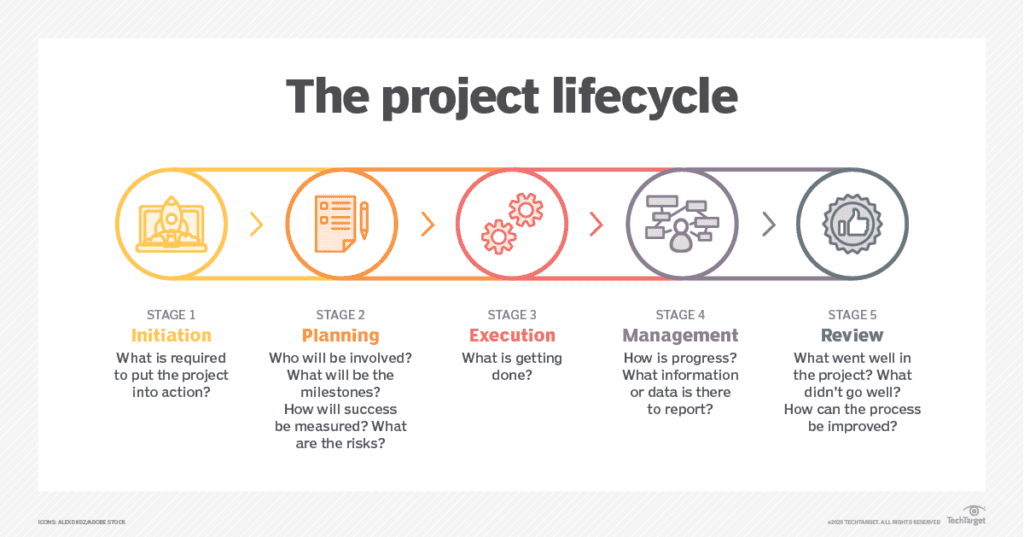
If you’re a SaaS business, you’re constantly rolling out updates and new features. So, you need tight task management. That way, everyone knows what they’re responsible for, without any last-minute surprises.
In fintech marketing, compliance checkpoints often shape campaign timelines. Messaging, claims, and disclosures typically require legal or regulatory approval, which makes clear task dependencies and structured workflows essential. A single delayed sign-off can stall an entire campaign launch.
Or, as an eCommerce startup founder, everyone moves at once. That includes campaigns, product updates, inventory, and customer messaging. Scaling these storefronts often means simultaneously managing specialized Shopify development services alongside supply chain updates to ensure the front-end user experience aligns with back-end inventory. You’ll stay sane by centralizing
According to a report by the Project Management Institute, most professionals agree that a successful project delivers outcomes that genuinely help an organization, strengthen its community, and create a positive impact that remote workers can see.
And the only way to get there is with a structure that aligns your team. An outcome that project management for startups can achieve.
How today’s businesses get work across the finish line
If you look at the teams that consistently deliver, you’ll notice something right away: they don’t rely on memory, luck, or endless Slack messages to keep everyone moving.
Instead, they use clear practices that make work predictable, even when the day feels anything but predictable.
They might use project management software These help break every initiative into small, trackable pieces. They also help assign owners and map out timelines that everyone can see.
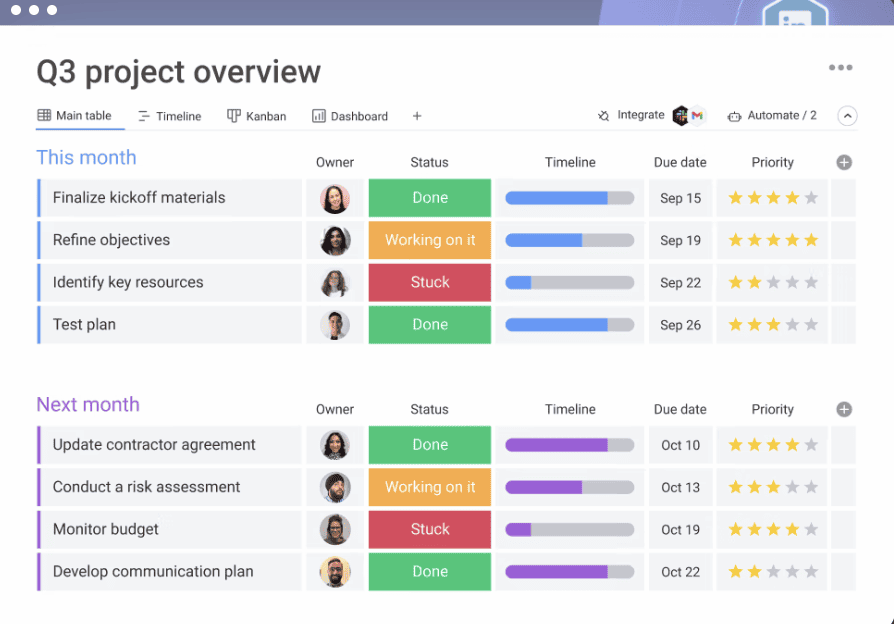
No one has to guess what comes next. No one has to dig through old messages to find context. The process carries the weight, not the people.
This is the direction today’s companies are moving in. They rely on project management software to create a shared source of truth. They assign tasks through task management systems, where due dates, dependencies, and updates are all in one place.
And real-time team collaboration keeps projects moving, even when half the team is signing on while the other half is winding down for the night. Alongside project management software, scheduling platforms like Koalendar help teams organize meetings, coordinate availability, and simplify the process of booking time with clients and colleagues.
For example, imagine your startup is building a new feature. Marketing is in Chicago, product is in Toronto, and engineering is in Berlin. Without project management for startups, you’d have an unorganized mess.
On the flip side, a designer can upload a mockup at the end of her day. Then, the developer in another time zone can pick it up first thing.
Plan smarter with the foundations every startup needs
Startups move at the speed of light, which means you can’t afford to “figure it out later.” You need a plan.
A good plan starts with a good project workflow. Think of it as the path your project takes from idea to completion.
Instead of saying “Let’s build this feature,” you map out each step (e.g., research, design, dev, testing, product launch) and define who owns each stage. shared library of project plan templates keeps stages, owners, and timelines consistent as the team and the number of projects grow.
The next layer is to define outcomes using the SMART goal-setting framework. Startups love big goals, but vague goals lead to vague work.
SMART turns drills down to the details:
- Specific results
- Measurable milestones
- Achievable timelines
- Relevant priorities
- Time-bound expectations
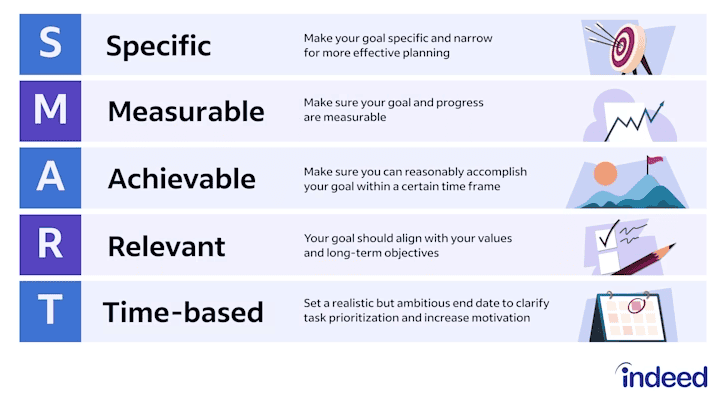
It keeps everyone’s eye on what success looks like, not just the tasks required to get there.
Then comes the part a lot of teams skip until it’s too late: early risk management. Ask: “What could slow this down or block us?” Maybe a dependency on another team. Maybe unclear requirements.
Maybe a looming vacation week. Spotting these issues early prevents costly rework that drains time and morale.
As projects evolve (and they will), strong change management sustains momentum. Changes aren’t the problem. Surprise changes are.
Documenting shifts in scope, timelines, or ownership keeps everyone in sync. Even a short end-of-day update can save hours of backtracking.
And finally, the glue that holds all of this together: tracking task dependencies and defining a realistic critical path method. If one task can’t start until another ends, the team needs visibility into that.
Your critical path shows the shortest route to finishing the project, and the tasks that absolutely can’t slip.
Project management for startups: how high-performing teams deliver predictable results
Today’s best project managers do far more than move tasks from “To Do” to “Done.” They design the scope before work begins. They reveal risks before work begins. They reveal risks before they become surprises.
They coordinate across product, engineering, design, and marketing so the right people have what they need, when they need it.
Let’s take a look at what high-performing teams are doing right.
Agility that works in any environment
Startups thrive on speed. Enterprises thrive on stability. But if you want to deliver every quarter, you need both.
Agile project management for startups can help you stay flexible. Then, anchor it with structure, such as simple sprints, clear priorities, and visible timelines.
Use project management software, Gantt charts, and workflow automation features to maintain alignment as projects grow.
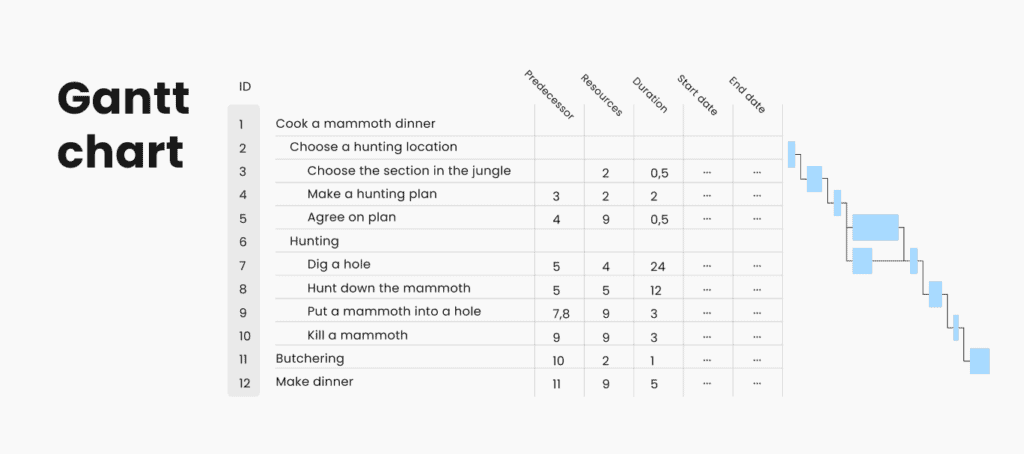
This is highly beneficial for software and product development teams, where a single change to a feature, API, or release date can ripple through multiple sprint plans and disrupt downstream work.
A developer reviewing test cases, a QA tester running manual tests, an automated testing pipeline, and a product lead drafting release notes all stay aligned because the workflow is transparent.
Even in a more regulated corporate environment, you can keep a startup-level pace without the chaos. This idea extends beyond traditional product teams.
Coworking environments, for example, need the same level of coordination to run smoothly. Spacebring is one of the best platforms that keeps schedules, communication, and day-to-day operations in one organized place.
Planning that speeds up product-market fit
Predictable execution directly affects how fast your startup learns. With consistent planning and delivery rhythm, it’s much easier to test ideas, run experiments, and see which features users actively engage with.
As a result, you’re gathering cleaner data, validating faster, and moving toward product-market fit with more confidence.
Clear systems create consistent feedback loops. Your customers tell you what’s working. Your internal teams discover friction earlier. You iterate in smaller cycles instead of massive rewrites at the end.
A collaboration system that aligns teams
The best project frameworks fall apart if communication breaks down. High-performing teams use a collaboration stack that keeps everyone connected without drowning them in tools:
- An integrated calendar so everyone knows what’s happening and when
- Communication tools and instant messaging for quick decisions
- Video conferencing for demos, blockers, and fast alignment
- File sharing and cloud folders so assets live in one place
This setup makes it easier to effectively collaborate across time zones and work styles.

Tools that support consistent, agile execution
Great processes only work when your tools back them up. You can map out the cleanest workflow in the world. But your process can fall apart pretty quickly without the right tech. So, why not lean on platforms that centralize planning, communication, and execution?
You can track tasks on a Kanban board, map dependencies with Gantt charts, automate routine steps, and keep discussions tied to the actual work instead of scattered in random threads. For many startup teams, project management tools like Trello Software serves as a simple way to organize projects visually and maintain transparency across departments.
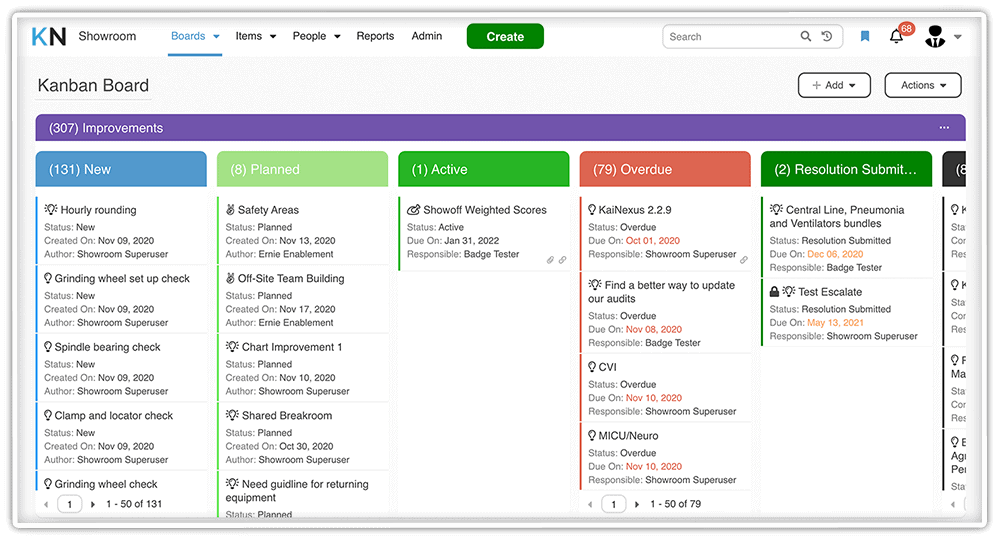
You can even implement a daily planner app across your team. It helps each person break big project milestones into smaller daily actions. Lining up personal organization with team-level tools ensures everything moves with a lot more ease.
When startups need to share sensitive files, such as financial reports, contracts, or internal strategy documents, with clients or external partners, password protection for documents can help restrict access to authorized recipients and provide greater control over how files are used.
How to avoid the pitfalls that derail startup projects
Research shows that only about 35% of projects reach the finish line as planned, according to Planview. In other words, most initiatives still miss deadlines, exceed budgets, or fail to deliver the full value they set out to achieve.
If established organizations struggle this much with execution, startups, with fewer resources, faster timelines, and constant change, face an even steeper challenge.
Because the details nobody planned for showed up at the worst possible time. These issues are predictable, which means they’re avoidable once you know what to look for.
Don’t ignore the hidden task dependencies that break timelines
One of the biggest troublemakers is hidden task dependencies that break timelines. Maybe design can’t move forward until the product clarifies its requirements. Maybe engineering is blocked on an API no one prioritized.
Don’t let scope creep run the project
Then, there’s unmanaged scope creep, every founder’s favorite villain. A project starts small, everyone agrees it’s easy, and then, halfway through, someone says, “Actually, can we also add…?”
A few “quick additions” later, your two-week sprint has become a four-week rework cycle with twice the stress.
Don’t overlook resource management during fast growth
Poor resource management during fast growth only makes this mess bigger.
Startups rush to grow the team and push new features out the door, but when you don’t have a clear view of everyone’s workload, you end up with uneven workloads and missed deadlines. The growth is exciting…until half the team is underwater.
Don’t skip client feedback loops
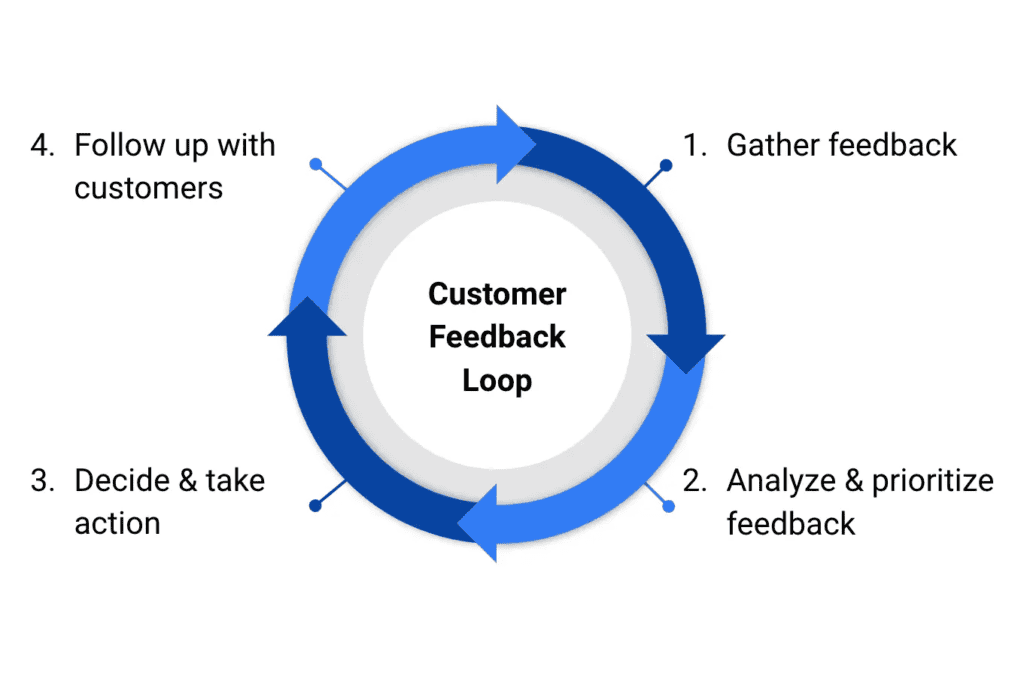
Another silent project killer: missing client feedback loops that lead to bad product decisions. If your team waits until the very end to validate an idea, you might discover you built something customers didn’t want or didn’t understand. Fixing it late costs time, morale, and sometimes the project itself.
Don’t leave customer support out of product decisions
And let’s not overlook the gaps in customer support alignment. Support teams talk to users every day.
They see patterns, complaints, and requests long before anyone else. Not looping support into product discussions causes teams to miss insights that could have prevented problems (or uncovered opportunities) months earlier.
Make fast-moving projects feel manageable again with project management
Project management for startups gives fast-moving teams the clarity they need to do their best work.
Whether you’re building a SaaS product, jiggling customer requests, or integrating a new payments API, strong project management keeps timelines steady and ownership clear.
And the same principle applies to growth. Scaling organic traffic, building authority, and producing content that ranks all require consistent execution, clear planning, and the right expertise behind the scenes.
uSERP helps teams get there. Start with a free strategy call today to uncover which growth projects your team should tackle next. Book your call now.