If people aren’t talking about your brand online, you’re missing out on authority, visibility, and trust.
That’s where brand mentions for SEO come in. Mentions show search engines that your business matters. They signal credibility to customers and help you stand out in a crowded space.
Think of them as digital word-of-mouth. A reference in a blog, a podcast, or even a quick social post can put your brand in front of new audiences. The more you’re mentioned, the stronger your recognition becomes.
In this guide, you’ll learn why mentions matter, how to earn them, and the smartest ways to measure their impact.
Highlights
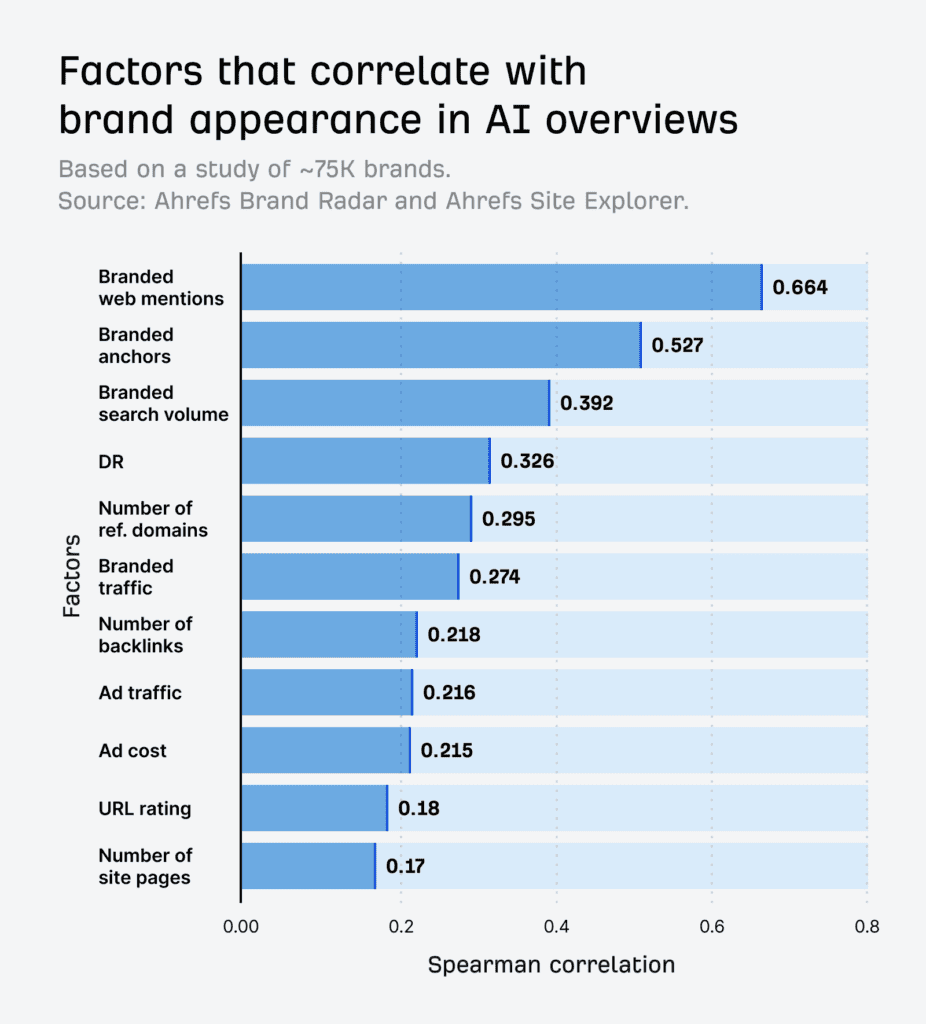
- Brand mentions function as trust signals for both traditional search engines and AI systems. According to Ahrefs’ 2025 study, there is a strong correlation between high-quality brand mentions and visibility in Google AI Overviews — meaning the more credible sources reference your brand, the more likely it is to surface in AI-generated answers.
- Unlinked brand mentions are recoverable link-building opportunities. When a site references your brand without a hyperlink, you can use monitoring tools like BuzzSumo to identify these mentions, then reach out to request a backlink — converting passive citations into direct authority signals.
- Micro-influencers (10,000–100,000 followers) drive higher-trust brand mentions than celebrity partnerships. According to HubSpot’s 2025 Social Media Marketing Report, nearly 46% of marketers report positive results from micro-influencer collaborations, attributing the impact to the closer relationship these creators have with their audiences.
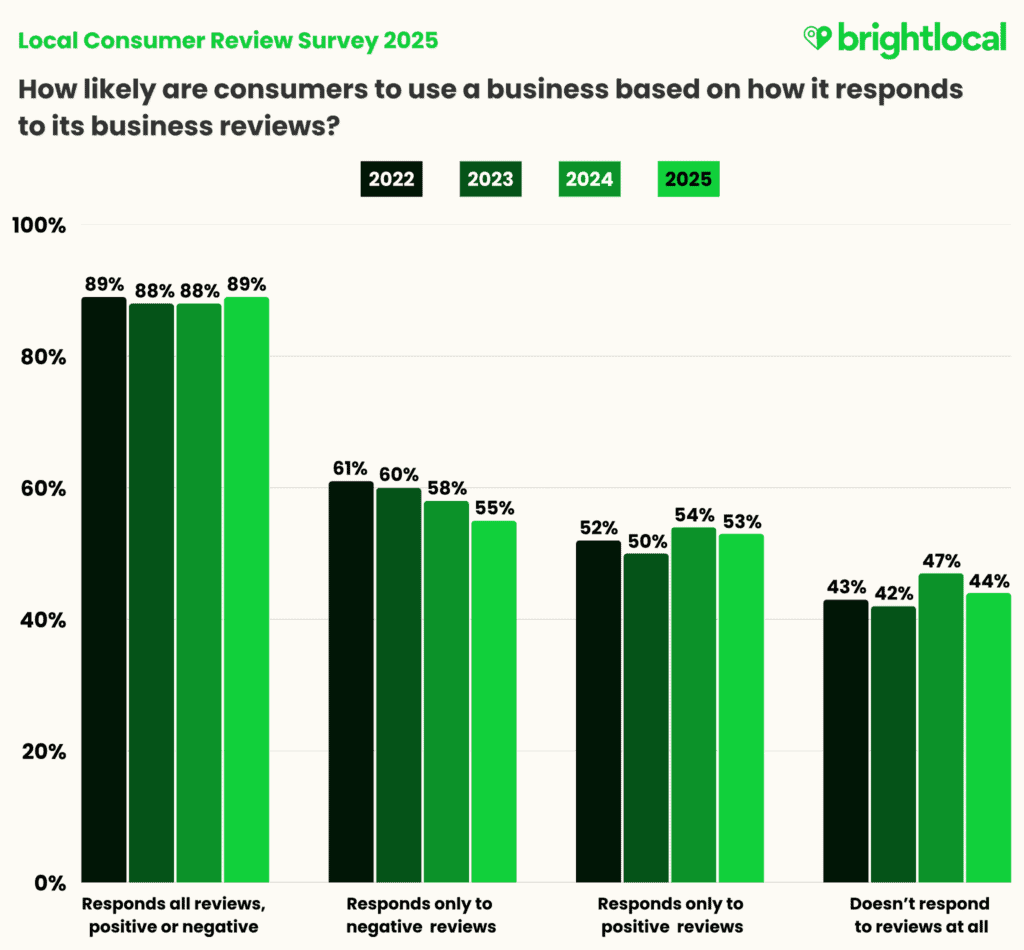
- Responding to customer reviews — including negative ones — improves brand visibility and conversion. BrightLocal’s 2025 survey found that 89% of consumers are highly likely to use a business that responds to both positive and negative reviews, making review engagement a measurable reputation and SEO tactic.
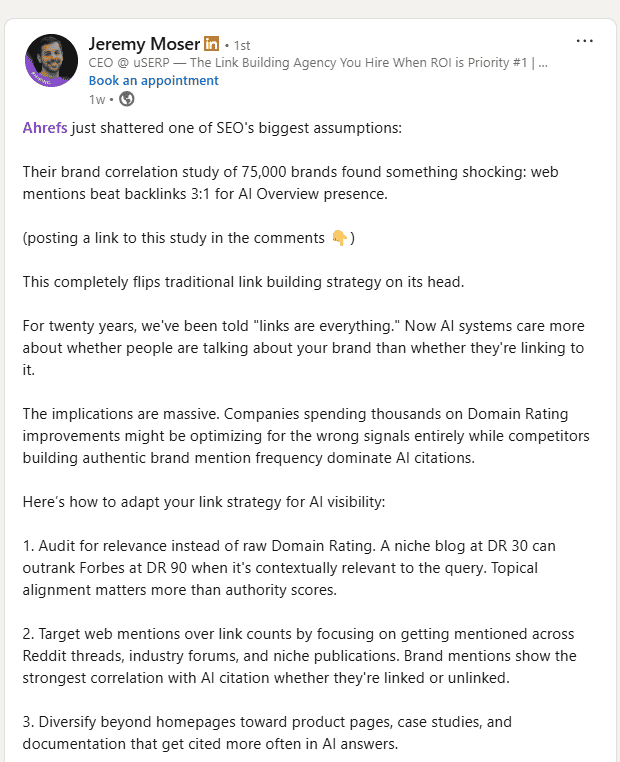
- In the AI search era, brand mentions may matter more than backlinks. Jeremy Moser, founder of uSERP, notes that being mentioned in conversations and social posts has become a critical trust signal for AI systems like ChatGPT and Google AI Overviews — a shift that makes earned brand visibility a core component of any modern SEO strategy.
What are brand mentions and why do they matter?
A brand mention is any time your brand name shows up online. It could be in a clickable link, an implied link, or even a quick mention in conversation. Mentions appear across social media, blog posts, and review sites, where people discuss products and services.
Search engines pay attention to these signals. With tools like Google’s knowledge graph, they understand not only when your brand is mentioned but also the context. That means they can associate your name with the topics and industries you’re involved in.
A positive brand mention on a relevant podcast or a product-focused thread helps boost your authority and build trust with both users and algorithms.
To judge the quality of a mention, look at four things: relevance, authority, visibility, and whether it actually leads somewhere. A mention on a niche industry site that reaches your buyers is usually worth more than a general mention on a high-traffic page that has nothing to do with your audience.
The best mentions build your topical authority, reach the right people, and open the door to branded searches, referral traffic, or follow-up links.
Research backs this up. According to Ahrefs’ 2025 study, there is a strong correlation between high-quality brand mentions and visibility in AI Overviews. In other words, the more people talk about your brand, the more search engines recognize it.
The impact of brand mentions on SEO
Brand mentions do more than put your name out there. They affect how visible you are, how much people trust you, and even how many backlinks you earn. Here’s how mentions shape your SEO results.
Improved brand visibility and trust
Earning positive mentions boosts more than traffic. Each mention acts as a trust signal for both search engines and potential customers.
Imagine a podcast episode that mentions your brand. That single mention builds credibility and shows that others value your work. Over time, these mentions add up, building stronger trust in your brand.

Brand awareness for SEO also grows naturally as people reference you across different platforms.
Influence on brand sentiment and reputation management
Positive mentions improve brand sentiment, while negative sentiment can harm your brand reputation.
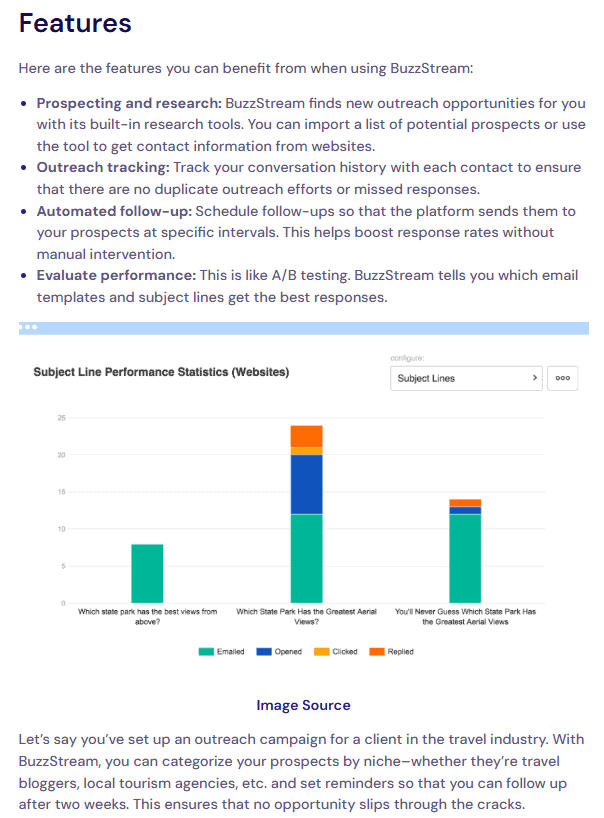
For example, your product gets mentioned in a link-building outreach tool review article. This may convince new buyers to trust you.
On the other hand, troll reviews or defamatory content can damage trust and push customers away.
That’s why reputation management matters. Responding quickly to customer concerns online and monitoring feedback helps you maintain control of your narrative and manage shifts in sentiment.
The role of brand mentions in link building
Many mentions don’t include a direct link. These are called unlinked mentions.
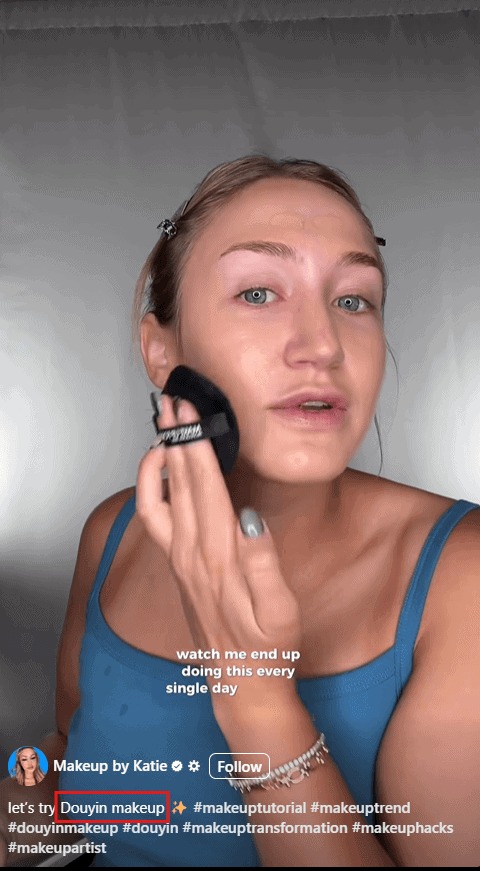
Take this example. You send product samples to influencers so they post about your product on social media. Sometimes, these mentions don’t include a link back to your site.
You can reach out to them and ask whether they can include a direct backlink. But more on this below.
How to acquire brand mentions for SEO
Getting people to talk about your brand doesn’t happen by chance. You need a plan. The good news is, there are clear steps you can take to earn mentions and turn them into lasting SEO results. Here are some of the most effective ways to do it.
Leverage social media and influencer marketing
Social media is one of the fastest ways to spark attention. Posts move quickly, and a single share can reach thousands of people. That’s why social media mentions matter so much for visibility.
To connect with your target audience, work with micro-influencers. They typically have around 10,000 to 100,000 followers and often have a close connection with the people you want to reach.
In fact, according to HubSpot’s 2025 Social Media Marketing Report, almost 46% of marketers believe collaborating with micro-influencers can lead to positive results because they’ve built significant trust with their followers.
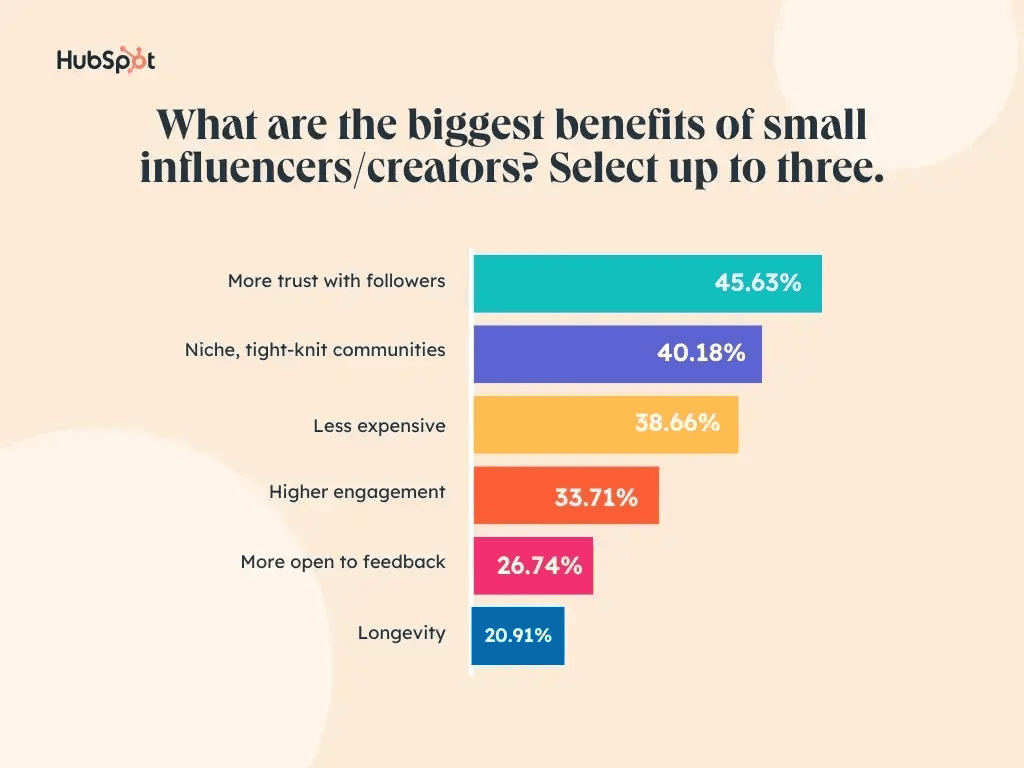
Their communities are often smaller but more engaged. This means their word carries more weight than a celebrity endorsement. A recommendation from them feels authentic and trusted.
Encourage influencers to talk about your products. They may post user-generated content, such as a video or Reel, showing how they use your product in a real-world context.
These small mentions may not always include a link, but they still strengthen your visibility and authority.
Create helpful content and digital PR
Publishing helpful content puts your brand in front of the right people. Think case studies, how-to guides, or articles answering genuine customer concerns. When done well, this content often attracts positive mentions. Adding a practical resource like lead form examples can also improve engagement by showing visitors how to create forms that convert. These examples help businesses optimize their lead generation efforts while encouraging more qualified prospects to take action.
Pair it with digital PR. Pitch stories, expert quotes, or data studies to journalists and bloggers. For instance, sharing product information or safety claims in a well-researched blog post provides reporters with credible references.
The result? Mentions in relevant podcasts and industry blogs. Over time, these mentions signal to search engines that your brand is a trusted source.
Monitor and turn unlinked mentions into backlinks
When we talk about brand mentions for SEO, we can’t forget about unlinked mentions. This is when someone mentions your brand or content without a backlink.
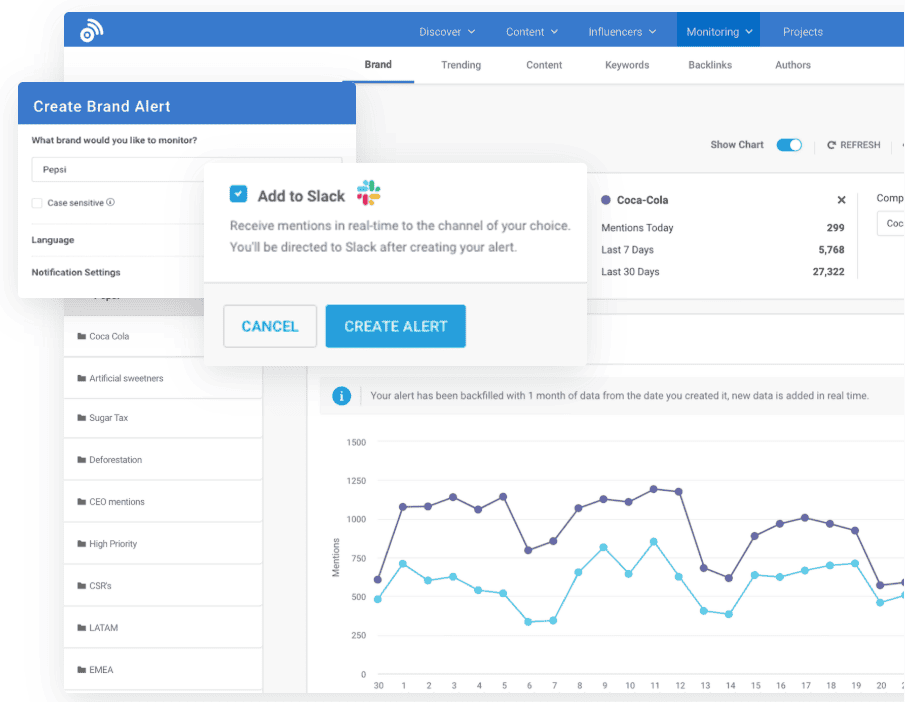
Use an SEO tool (like BuzzSumo) to monitor unlinked brand mentions. Then, reach out to the blogger with a personalized email and encourage them to add your link. Moving forward, you could also offer to send them free product samples for them to review on their social media channels.
Encourage customer feedback and reviews
Your customers are one of your most powerful marketing channels. Customer feedback and reviews often feel more genuine than ads. Encourage your customers to leave a comment on review sites or your Google Business Profile.
A genuine customer concern shared online counts as a mention in conversation. These mentions enhance your visibility and may later be turned into backlinks.
Don’t worry if you’ve received a negative review. The most important thing is that you respond professionally. According to the BrightLocal 2025 survey, 89% of consumers are highly likely to use a business’s services if it responds to both positive and negative reviews.
As you can see, for many people, responding to negative reviews is a positive thing. It shows that you value their feedback and are looking for ways to improve.
Measuring the impact of brand mentions
It’s not enough to earn mentions. You also need to track what they mean for your brand. Measuring the impact helps you understand whether mentions build trust, improve rankings, or highlight risks. This way, you can act on data instead of guesses.
Track sentiment and visibility
Brand mentions for SEO don’t just show up. They carry tone, context, and influence. That’s why watching for sentiment shifts is so essential. These signals reveal whether people are sharing positive mentions or leaning into negative sentiment.
Monitoring tools can help. These come with alerts, so you can spot spikes in defamatory content, pick up on genuine customer concern, or catch moments of confusion. A quick response often prevents problems from spreading.
Jeremy Moser, founder of uSERP, shared his take on brand mentions for SEO on LinkedIn. He explained that mentions have become a crucial signal of trust and visibility in modern SEO. For AI systems, getting mentioned in conversations or social media posts seems more important than earning backlinks.
Connect mentions to SEO outcomes
The next step is tying mentions to real results. Mentions show how often people talk about you and where that attention leads. Tracking helps you see which mentions lead to branded search growth, referral traffic, backlink recovery, and stronger visibility over time.
A simple way to track impact is to look at mention volume, sentiment, linked versus unlinked mentions, referral visits, and changes in branded search demand. When those numbers move in the right direction together, you have real evidence that your brand mention strategy is doing something for SEO and not just generating noise.
For search engines, a single unlinked mention that becomes a backlink can signal authority. When these small wins pile up, you start seeing patterns. SEO brand mentions can drive higher rankings, more clicks, and stronger trust with your audience.
Guest appearances are a practical example. An SEO strategy (for lawyers) might include joining podcasts or speaking at online events. Every mention shows expertise and builds credibility with listeners. These signals matter not only for exposure but also for how search engines evaluate your authority.
Beyond legal niches, other industries benefit as well. Consistent mentions across different channels build recognition. For example, features in industry blogs, niche forums, or interviews help maintain visibility over time.
In another case, a small business can earn mentions through local blogs, relevant podcasts, or news outlets. These ongoing signals make the brand easier to trust and easier to find.
That’s why your SEO strategy should always include brand signals. Brand mentions are measurable factors that you can track and turn into growth.
Challenges with brand mentions
Mentions can boost your authority, but they also come with risks. Not every mention helps your SEO or reputation. Here are some common challenges to watch for and how to handle them.
Handling negative reviews and harmful content
Not all mentions are good for your brand. Harsh reviews and misleading claims can weaken trust. Left unchecked, these can spread fast and damage your reputation.
The solution: Respond quickly and professionally. Acknowledging feedback shows that you listen and care. Use brand monitoring tools to catch issues early. By staying transparent, you turn criticism into an opportunity to build credibility.
Sorting low-value mentions from meaningful ones
Random shoutouts or links from low-value sites do little for your authority. Without quality control, you may waste time chasing mentions that don’t help.
The solution: Focus on mentions that come from trusted sources. A thoughtful reference in an industry article or podcast is far more powerful than a spammy backlink. Track where mentions come from and prioritize those that add real authority.
Finding unlinked mentions at scale
Many mentions don’t include a link. These lost opportunities mean missed chances to boost your site’s authority. The more your brand grows, the harder it gets to track them all.
The solution: Use monitoring tools to spot unlinked mentions. When you find them, reach out with a simple request to add a link. Over time, this small step can build a steady stream of valuable backlinks.
Adapting to changing sentiment
Public opinion shifts quickly. A new product launch, viral moment, or cultural trend can suddenly change how people talk about your brand.
The solution: Track brand sentiment regularly. Pay attention to tone and context, not just volume. If you notice a shift, adjust your messaging and address concerns before they grow. Staying proactive keeps trust intact.
Start earning brand mentions that boost your SEO
Earning brand mentions for SEO is one of the most effective ways to increase your authority and visibility online. Mentions act as trust signals for both search engines and your customers. When you encourage feedback, build relationships, and track results, you turn simple shoutouts into real business growth.
Ready to start? Book a call with our team at uSERP and discover how to turn mentions into measurable SEO wins.