LinkedIn is not just a resume site. It is a search engine used by buyers, recruiters, and partners every day. To win in 2026, you need LinkedIn SEO that raises search results inside the platform and guides qualified people to your offers.
In this guide, you will learn what the search algorithm values now, how to tune your LinkedIn profile and company page. We’ll look into how to publish SEO-friendly LinkedIn posts and how to measure progress with LinkedIn analytics.
Whether you lead go-to-market (GTM) teams or run an agency, you will leave with a clear plan to grow search appearances, profile views, and lead generation.
Highlights
- LinkedIn SEO begins with optimizing your profile across key sections, including the headline and about section, to match search activity.
- Publish SEO-friendly LinkedIn posts, articles, and newsletters tied to content pillars to earn content engagement.
- Build a company page with showcase pages, verification badges, and a focused CTA button to turn views into actions.
- Track social media metrics in LinkedIn analytics to double down on what drives search rankings.
- Use a light employee advocacy program and avoid risky LinkedIn automation tools.
How does LinkedIn SEO work in 2026?
LinkedIn search mixes keywords with context from your network and activity. It checks your profile sections, your content creation, and patterns in member search activity.
Profiles that appear in search results for the right terms need to have location tags and a good description of the job title and services. That means using natural words that others are likely to search for. It also means avoiding buzzwords, or at the very least explaining company lingo.
For example, your job title might be “Creative Jedi,” with a focus on creating and media buying ads. But others are a lot more likely to find your profile if you write “media buyer” instead.
Where to see your visibility
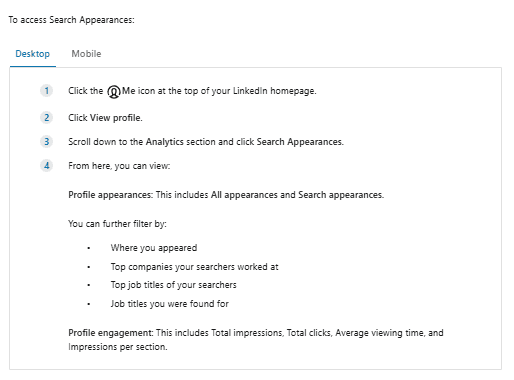
Your analytics panel shows how often you appeared in search and who viewed your profile.
Check Search Appearances and profile views each week. Note the companies and job titles that found you.
If it seems like the wrong companies are finding you, take it as a sign to tighten your profile headline and about section. Add one clear value line in each experience entry so it’s easy for others to understand what you specialize in.
Company page discoverability
A LinkedIn page follows many of the same rules, yet brand clarity matters more.
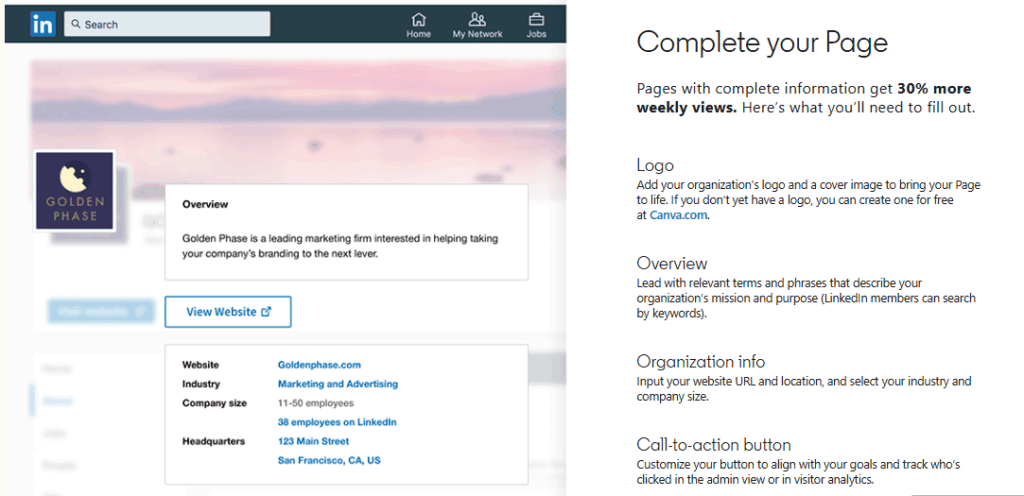
Your company page name, tagline, and about section should explain what you do in the first lines for contextual search engine optimization. Fill out every field and keep the visuals clean.
Like personal profiles, avoid complex and corporate “lawyer-like” language unless those are the keywords that your audience searches with. Just like search engines, LinkedIn SEO works by matching clarity, context, and intent. So the same rules of plain language and following structure apply to your company’s LinkedIn just like they do for your website.
Repeat the same service names you use on your site so people do not get confused if they click.
Here are some initial best practices for business LinkedIn SEO. According to LinkedIn documentation, these can increase your weekly views by 30%:
What the algorithm wants in 2026, and why it matters for SEO
Reach from the feed drives search discovery. In 2026, posts that share first‑hand lessons, invite discussion, and stay on topic will do well. Plus, helpful replies will lead to more saves and reshares.
In essence, authentic collaboration exposes your name and page to people who later search for you.
Profile optimization for LinkedIn SEO
Let’s look at simple changes you can make to your LinkedIn profile to boost appearances.
Profile headline and about section that match search intent
Start by defining your ideal potential customers first. Then make a list of the same phrases they use in calls and emails.
You’ll use these words in your profile to boost search results for the right queries. Matching these keywords will help convert profile views into messages because readers recognize their own language.
Start with your profile headline, since it shows up almost everywhere. Think of it like a page title. Describe your role in plain terms, then link it to an outcome. For example: “B2B link building strategist who generates organic traffic and authority for SaaS.”
In the about section, expand with three short parts. Say who you help. State the result you drive. Then add one proof point that shows your expertise and adds trust.
Keep sentences short so they read well on mobile.
Profile sections that get indexed
Treat your experience section like a set of short landing pages.
Use market labels for roles instead of internal titles. Then add one value line below each job. For example, “Led content marketing program that increased subscriber opt-in by 42% and first-time purchases by 15%.”
Pin three skills that match the service you want to sell today, such as SEO, copywriting, or link building.
In the featured area, add short case slides or one‑page overviews. When you attach images, include alt text. It supports accessibility and gives context for systems that parse media. LinkedIn supports alt text on posts and articles, so use it whenever you can.
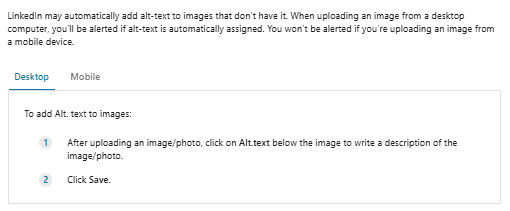
Use the profile strength meter to make sure you did not skip key fields. Fill what is relevant, avoid keyword stuffing, and keep the copy concise.
Profile photo
Your profile photo should feel like you today. Aim for a bright, close shot with clear eyes and a simple background.
The background photo can help too. Add one line that states your value and pair it with a simple visual. Avoid too many words in the background image. Play around with contrast and opacity to make sure it doesn’t take away from the profile photo and the main line.
Recommendations and endorsements as social proof
Ask for recommendations and endorsements that mention the service and the result. Make it easy to get a reply. For example, thank the person, remind them of the work, and suggest one or two outcomes they could mention.
Afterward, pin the best notes near the top of your profile sections. That visible social proof reduces doubt and nudges visitors to message you.
Company page SEO: Win more searches and clicks
A solid LinkedIn page makes it easier for buyers to find and trust your brand.
Company page
Choose a clear brand name and a tagline that says what you do in normal words. Then open the about section with a straight answer.
Say who you serve, what problem you solve, and the outcome clients can expect. When these pieces line up, visitors understand your value in seconds, and search engines can index it properly.
Set the CTA button to the next best action for a cold visitor, such as opening a focused page or downloading a lead magnet.
Finally, customize your LinkedIn URL so it is short and readable. A clean URL shares better in emails and slides. It also reinforces your brand when people mention your page.
Showcase pages
Branding helps a company gain credibility in crowded markets. One way to leverage LinkedIn for branding is showcase pages, especially if you have different offers or initiatives.
Showcase pages help when parts of your offer target different audiences. You might have one page for link building, another for content marketing, and a third for SEO copywriting training. Each page can speak to a segment and rank for its own set of terms.
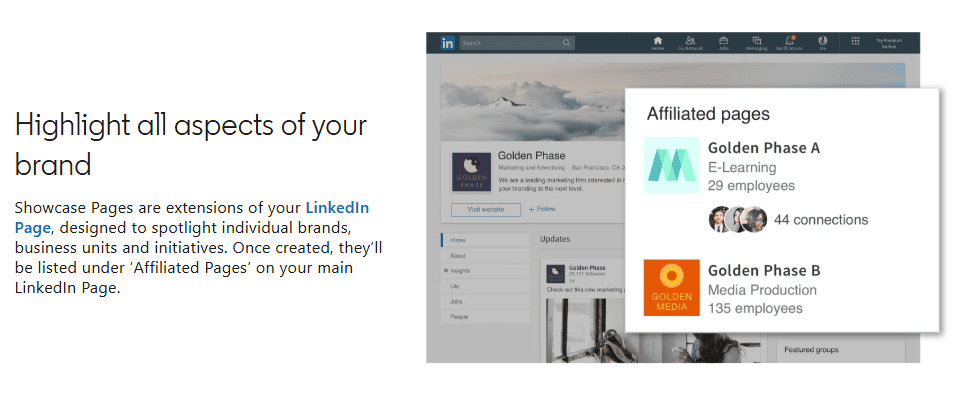
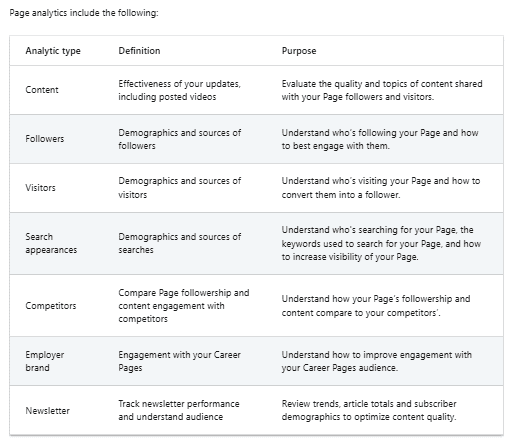
Watch page analytics to see which themes and content attract reach and followers. If a Page stalls for weeks, fold that theme back into the main Page and focus on the winners.
Verification badges
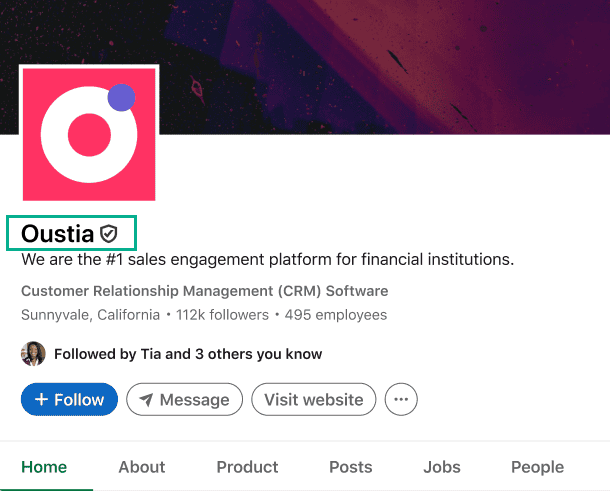
Verification badges add a clear trust cue for profiles and Pages. If you qualify, follow the steps in LinkedIn Help to request verification through the options available in your region and account.
Verified details reduce impersonation and can lift click‑through when buyers compare similar vendors in search results.
Create SEO‑friendly LinkedIn posts that rank
Your content strategy becomes discoverable when posts are easy to scan and engaging.
SEO‑friendly LinkedIn posts
Open with a hook that states the benefit of reading. Place primary terms near the top. Keep paragraphs short and close with one clear CTA.
If you’re writing a public post, use a plain style post with direct answers. These make your post ready for answer engine optimization. This way, content might get suggested when audiences ask similar questions in AI tools like ChatGPT.
Invite readers to engage in the comments and ask questions or offer their own feedback. High engagement is a signal to LinkedIn SEO that your post is valuable. It also gives you the opportunity to make friends with potential future clients or partners.
Long‑form LinkedIn articles
Create LinkedIn articles when you have a visual story or want to offer more depth.
Start by writing a title that names the problem and outcome. Use sub‑heads to guide the reader and make the article more readable. If you want external links, publish the full piece on your site first, then adapt a new angle for LinkedIn.

LinkedIn newsletters: Recurring demand capture
LinkedIn newsletters give you a regular slot in the feed. This isn’t just great for ranking with LinkedIn SEO, but also gives you access to new subscribers. It’s also a good opportunity for consistent link baiting with unique insights or valuable “lead magnets”.
Start by picking content pillars that match your offer and set a clear cadence. Explain the payoff of subscribing in the first paragraph. Place a CTA button near the end and link to the most relevant landing page.
A monthly theme helps readers know what to expect. For example, “AI agent playbooks” could run for four weeks. Week one covers prompts. Week two highlights use cases as part of a marketing strategy for your SaaS. Week three reviews analytics. Week four covers governance.
Structuring newsletters like this makes it easier for your team to plan content ahead of time.
You can also combine it with monthly campaigns that tie in to the theme. This helps you test new offers with your own subscribers before running ads, plus increases the quality of your subscribers as they convert into customers.
The downside of LinkedIn newsletters is that only qualified pages and creators can create them. If you’re not qualified yet, start posting articles regularly.
Distribute and earn engagement
Quality distribution increases search discovery. In the 2024 Edelman–LinkedIn B2B Thought Leadership Impact Report, 90% of decision‑makers say they’re more receptive to marketing or sales outreach from companies that consistently produce high-quality leadership content.
- Publish native first. Consider single images, video content, and document posts. Add alt text. Open with a clear hook and end with one CTA.
- Trigger early engagement. Reply to comments within an hour, ask one specific question, and tag only relevant people.
- Use employee advocacy with unique captions and staggered shares. Track saves and comments in LinkedIn analytics.
- Learn in public. Join LinkedIn groups and collaborative assets to hear real pains from your audience. Then turn insights into SEO-friendly LinkedIn posts or articles.
- Repurpose winners into LinkedIn newsletters or carousels. Cross‑post after you rewrite for the platform’s style.
- Boost only proven posts with light paid media or thought leader ads after organic traction.
As you’re doing this, keep in mind that the same strategy applies to other platforms. For example, Reddit SEO strategies focus on giving-first behavior to help communities. This means you can easily repurpose content, edit smart, and maybe adjust the tone so you can cross-post and increase brand reach.
Measure what matters and iterate weekly
Pick a few metrics that signal that your LinkedIn SEO strategy is working. Add these to your SaaS SEO checklist so that your content team knows to optimize for these metrics when writing and editing:
- Content engagement, such as saves and comments per 1,000 impressions
- CTR on the CTA button
- Search appearances
- Reach by format
- Follower growth
- Profile views
Set a weekly review, list one win and one fix, and prepare for the next test.
Start optimizing your LinkedIn SEO
Winning with LinkedIn SEO in 2026 means getting the basics right and repeating them.
Tune your profile optimization or company page first. Publish SEO-friendly LinkedIn posts, articles, and newsletters on your top content pillars.
Use employee advocacy and LinkedIn automation tools to scale. Track search appearances and content engagement, then iterate each week.
If you want deeper support with entity signals and authority, consider authentic link building with uSERP.