





Imagine you just launched a new product. You spent months on the design, and you think it’s the best thing on the market. But when you look for it in search, it’s nowhere to be found. Digital PR offers global reach with hyper-targeted targeting capabilities.
Today, the internet’s crowded, and a good product alone isn’t enough. You need people to talk about you and AI systems to trust you. This is where digital PR comes in to boost visibility and establish a strong brand identity.
In this article, we’ll help you understand the new rules of the game. We will show you how digital PR is a core part of digital marketing and should be integrated into a comprehensive marketing strategy to build brand awareness and improve your search rankings to earn trust with both humans and search engines.
Digital PR is a strategic online marketing tactic used to increase brand awareness, online visibility, and reputation through digital channels like blogs, podcasts, and social media.
Highlights
- Digital PR has evolved beyond link-building — It now combines public relations, SEO, and content marketing to build genuine brand authority, earn trust with both human audiences and search engines, and satisfy Google’s E-E-A-T framework (Experience, Expertise, Authoritativeness, and Trust).
- AI-driven search requires a new approach — With 58% of Google searches ending without a site visit, brands must optimize for Generative Engine Optimization (GEO) by structuring content with schema markup and semantic clarity so AI systems like Google’s AI Overviews cite them as trusted sources.
- Quality earned media outperforms manipulative link tactics — Low-quality or purchased backlinks now harm domain authority. Links from niche, reputable publications that real audiences read are what meaningfully improve search visibility and rankings in 2026.
- Technical performance and content hubs amplify PR results — A fast-loading site (under 3 seconds on desktop), strong user experience metrics, and a centralized content hub featuring original data and reports attract recurring media mentions and prevent PR-driven traffic from bouncing.
- Measurement must tie PR activity to business outcomes — Rather than tracking vanity metrics like clip counts, effective digital PR measurement focuses on referral traffic, conversion rates, and domain authority growth to demonstrate real ROI across media placements.
What is digital PR in 2026?
Digital PR is a form of online public relations that enhances your digital presence by securing media coverage, backlinks, and positive mentions across the web.
It’s a mix of public relations, SEO, and content marketing. You’re not just sending a press release to every editor. You’re building relationships with media outlets and telling a story that people want to share. Digital PR leverages online channels—such as digital publications, search engines, and social media—to reach audiences, increase brand visibility, and build authority.
Today, your online presence is like your resume. If a customer cannot find you, you don’t exist. Digital PR extends traditional PR into online spaces, using social media, blogs, and online publications, whereas traditional PR primarily relies on print media, television, and radio. This strategy enables more measurable, targeted outreach than traditional PR, thanks to advanced tracking and analytics. It puts you where your customers spend their time and builds a lasting brand reputation.
Moving away from traditional media
In the past, traditional media like print media, TV, and radio were the only game in town. Those things still matter, but now they work alongside digital media channels such as social media platforms and news websites. Most people first see those stories on social media.
Digital PR strategies leverage a mix of media channels—both traditional and digital—to build brand presence, engage audiences, and manage public perception. Digital campaigns in digital PR often require lower production costs than traditional media like high-end television spots or print advertisements. As brands build their digital presence, social media tools can help them manage and strengthen their communication across these channels.
Think about a local bakery. If they get mentioned on the morning news, that’s great. But if a food influencer shares their cake on Instagram, they make a lot of sales.
The power of brand journalism
Brand journalism is a big part of content creation now. You’re acting like a reporter for your own industry. It involves creating helpful content that solves your users’ problems.
Take a software company as an example. Instead of just showing their features, they write about the future of work. They use digital storytelling to show they’re leaders, which earns them media mentions from big tech blogs.
Why digital PR is the “secret sauce” for modern SEO
SEO has changed a lot in the last few years. You cannot simply add keywords to a page and hope for the best. You need search engine optimization that focuses on trust. Digital PR is essential for brands looking to boost visibility and improve search engine rankings by leveraging strategic media coverage and authoritative backlinks.
Google calls this E-E-A-T. It stands for Experience, Expertise, Authoritativeness, and Trust. Digital PR is the fastest way to prove these things. When a trusted site links to you—especially from Tier-1 news sites or high-traffic niche publications—it acts as a vote of confidence for search engines.
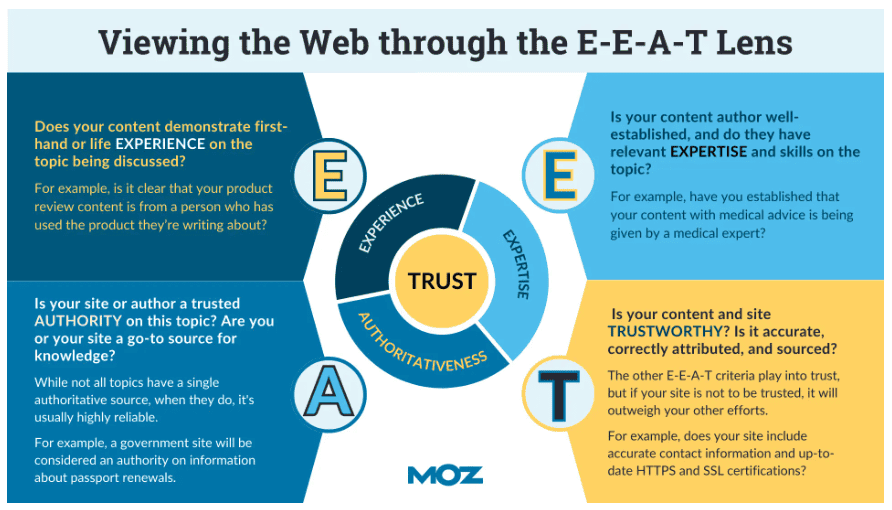
Securing third-party mentions from authoritative outlets not only reinforces brand credibility but also strengthens your brand’s Experience, Expertise, Authoritativeness, and Trustworthiness—primary signals Google’s algorithms use to rank content. This helps your search rankings more than any technical hack. You’re building a footprint that search engines can see. It also makes your site a safe bet for their users.
The end of low-quality link building
The old style of link building is dead. Buying links or using spammy sites falls under the black-hat SEO category and will get you penalized. Search engine results now look for real, earned links, and digital PR tactics focus on earning high-quality, credible links that support brand credibility.
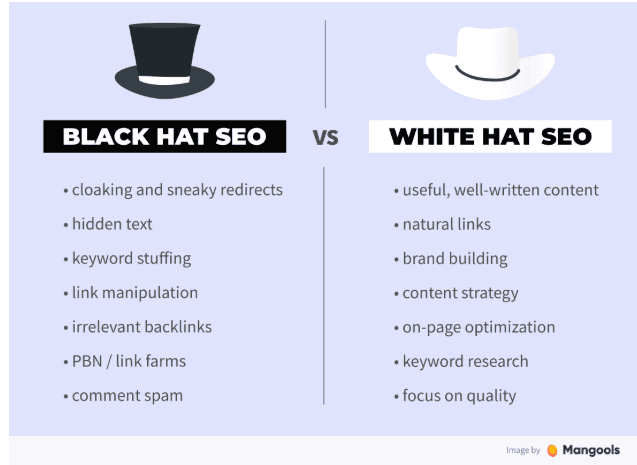
You need links from niche publications that your customers actually read. Quality over quantity is the rule.
Improving your search visibility
Your search visibility is more than just ranking for one word. It should focus on appearing in search results for a wide range of queries. Digital PR expands your reach by creating more “doors” to your site and enhances your digital presence across search results and online channels.
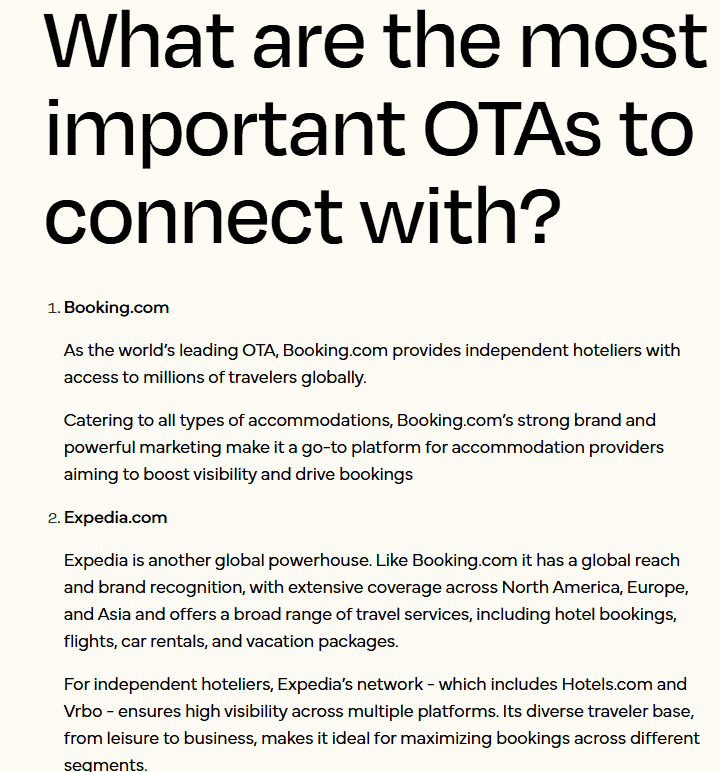
Imagine a travel brand mentioned in a trusted guide about sustainable tourism or featured on curated lists of apartment websites where users actively search for accommodation. That mention appears in search results, inside related articles, and sometimes in AI summaries.
Brands featured in reputable online publications are significantly more likely to be cited as sources in AI-generated answers. Users see the brand before they ever reach the website.
Navigating the AI shift: Geo and Google AI Overviews
The biggest change we’re experiencing today is how AI talks to us. Google’s AI Overviews now answer questions directly. You don’t always have to click a link to get an answer, which is a challenge for website traffic.
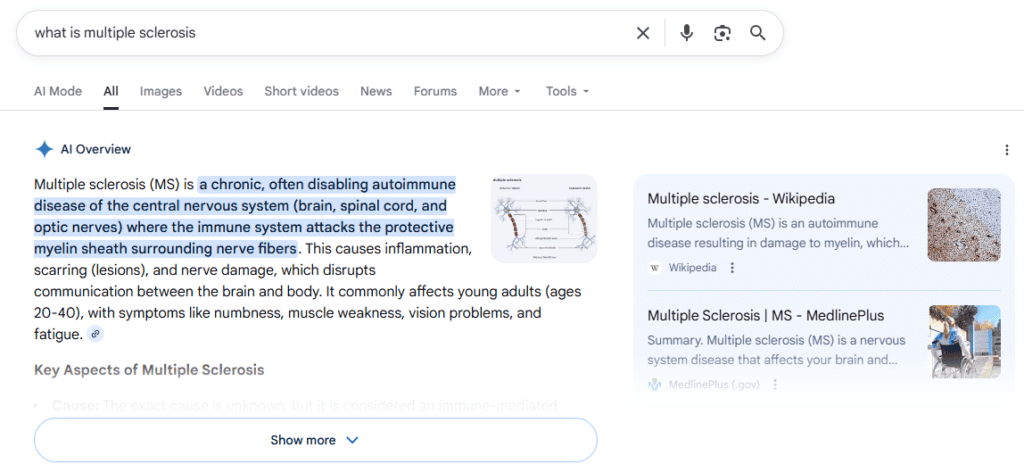
Screenshot provided by the author
We call this the zero-click search approach. According to WSI, 58% of Google searches now end without a visit to an external site because users find the answers they’re looking for directly on the search engine results page (SERP). These results make digital PR vital for visibility. Digital PR tactics and efforts are designed to maximize brand exposure and authority in these new environments, ensuring your brand is referenced and visible even when users don’t click through.
But this shift also creates a major opportunity. When AI systems reference your brand, they treat it as a trusted source. That visibility builds credibility instantly. This is the foundation of generative engine optimization (GEO), where the goal isn’t just ranking, but being cited.
To get there, brands need semantic content optimization. That means structuring content so AI can clearly understand facts, context, and authority. Marketers can also try GPT 5.5 to review how clearly their content answers user intent and whether their brand messaging is easy for AI systems to understand.
It’s the next phase of search engine optimization, and it rewards brands that invest in clarity, trust, and real expertise.
Using structured data for PR
You need to help AI “read” your success. This is where you can use structured data and schema markup. It’s like a map for robots, telling them exactly who you are.
If you win an award, you can use schema markup to tag it. The AI will see this and may include it in a summary, which automatically increases your brand authority.
Combining earned media (e.g., media coverage and press outreach) with paid media (e.g., advertising channels for controlled, budgeted content distribution) can further amplify your reach. Digital PR offers global reach with hyper-targeted targeting capabilities, ensuring your message reaches the right audience at scale.

Screenshot provided by the author
The rise of branded searches
People are increasingly looking for answers from specific brands. Instead of typing a generic question, they ask by name. That search intent signals trust and drives the most valuable kind of traffic.
This is possible with a strong digital PR campaign. Digital PR helps protect and enhance your brand’s reputation by ensuring your business is seen in a positive light, especially during challenging situations.
An active digital PR presence allows you to control your narrative and mitigate negative misinformation in search results. People might no longer search for “SEO agency.” They search for a company they’ve already seen quoted, referenced, or cited. That kind of demand is harder to disrupt and far less vulnerable to algorithm updates.
Building trust in the age of “information overload”
With the constant stream of stimulation, ads, and content, people don’t always trust what they see online. They want to hear from real experts and trusted sources.
Your digital PR strategy can help build trust by being helpful and honest. Digital PR encourages two-way engagement between brands and audiences, unlike traditional PR’s one-way communication. Effective PR efforts not only strengthen your reputation but also drive business growth by increasing brand awareness, generating leads, and strengthening stakeholder relationships. And when you have a strong reputation, people make purchase decisions faster, as they’ve seen you in the media outlets they trust.
Crisis communications in a fast world
Information travels at lightning speed. A small mistake can become a catastrophe in a matter of minutes. That’s why you need a crisis communications plan in place ahead of time. Crisis communications is a key part of corporate communications, helping organizations manage internal and external messaging during challenging times.
For example, if a server goes down, tell people right away. Use your social media platforms to give updates. Don’t wait for a journalist to find the story. Tell it yourself.
Digital PR can deliver 3–5x better ROI than traditional PR.
Leveraging influencer partnerships
Influencer marketing is no longer limited to lifestyle brands or younger audiences. In B2B, especially, it’s become a trust channel. Sprout Social found that nearly 70% of B2B companies now work with influencers to improve brand awareness, and more than half do it specifically to strengthen credibility with their audience.
For a B2B company, working with a respected industry analyst can have a real impact. One thoughtful mention can strengthen credibility, support investor relations, and reach decision-makers who are hard to access through traditional channels. Being featured in high-authority publications like Business Insider is another powerful way to build credibility and demonstrate expertise.
The technical backbone of a digital PR strategy
You can have the best story in the world, but if your website looks unprofessional or won’t load, it won’t matter. Journalists won’t reference a slow or ugly page.
Your online presence should be a priority. Ensure your site loads quickly and is easily accessible on mobile devices. Digital PR leverages digital marketing strategies and online channels—such as digital publications, search engines, and social media—to maximize brand visibility and engagement in a cost-effective way. Digital campaigns in digital PR often require lower production costs than traditional media like high-end television spots or print advertisements.
Focusing on user experience metrics
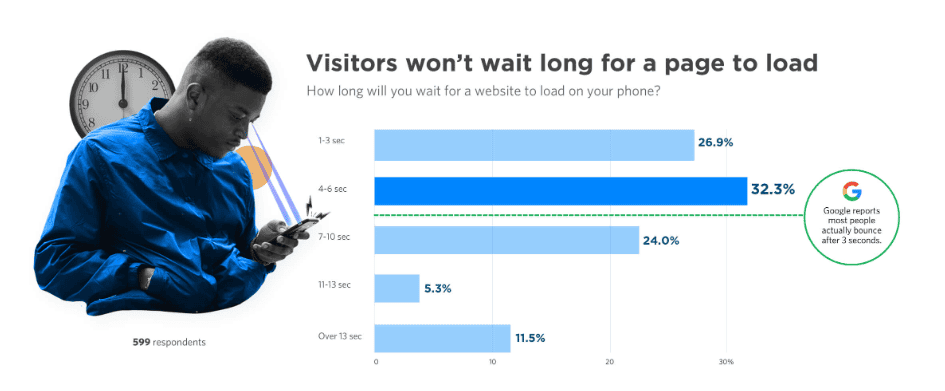
Search engines track how people use your site. These are user experience metrics. If people leave your site quickly, it signals to search engines that your content is low quality.
If a PR story sends people to a page that takes 10 seconds to load, they’ll leave. It ruins your conversion rates. Tooltester recommends maintaining a page speed of under 3 seconds on desktop and under 9 seconds on mobile.
Creating a content hub
A content hub is a page on your website where you post all your best work. It’s where you put your data visualizations and reports. It acts as a magnet for media mentions and is a core part of PR activities. In digital PR, these activities include publishing online stories that can go live instantly and remain searchable for years, unlike traditional print coverage.
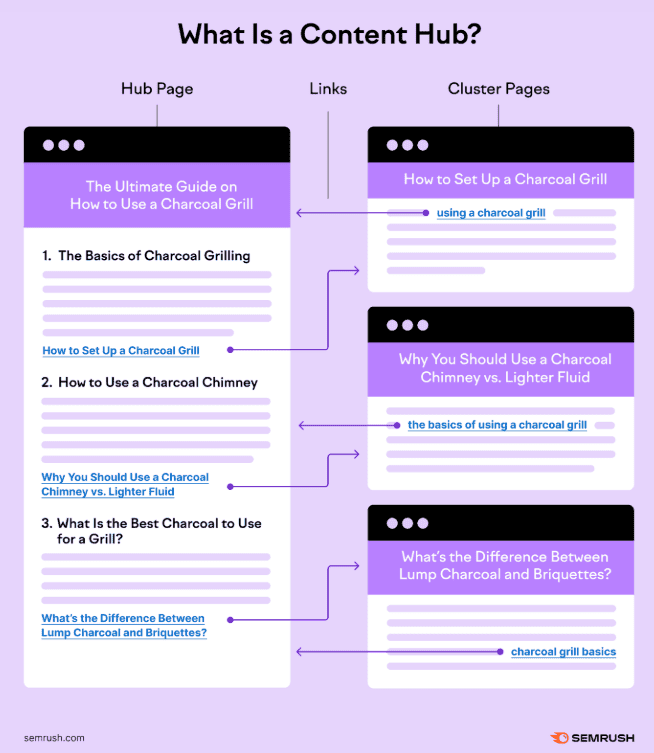
For example, a content hub about content marketing is very useful. Journalists will bookmark it. They’ll come back whenever they need a quote or a stat. This leads to recurring media coverage.
Measuring success: Data over vanity metrics
In the past, people just counted how many “clips” they got. They felt good because they were in the paper. But it was difficult to measure the real ROI. Now, we’ve got the tools to know for sure.
Google Analytics and other analytics tools help us look at referral traffic to see where people come from. This helps us determine whether they actually purchased something.
Your custom reporting should focus on the bottom line. Track performance metrics for your digital PR activities, including KPIs like backlink quality, referral traffic, branded search growth, and direct revenue attribution through analytics. Are you getting more leads? Is your brand awareness growing in the right places? This is how you prove value.
Analyzing conversion rates
A link is just a path. What matters is what people do when they get there. You need to track your conversion rates from every PR win. This helps you see which media outlets are best for you.
For example, one link might bring 1,000 visitors but no sales. Another link might drive 10 visitors, all of whom make a purchase. These insights inform your PR strategy.
Using data visualizations in reports
People love to see data in a way they can understand. Use data visualizations in your custom reporting. It makes the success of your strategy clear to everyone.
For example, a chart showing your domain authority growth can be valuable. It demonstrates the long-term value of your work, not just a one-time spike in traffic.
The role of social listening and media monitoring
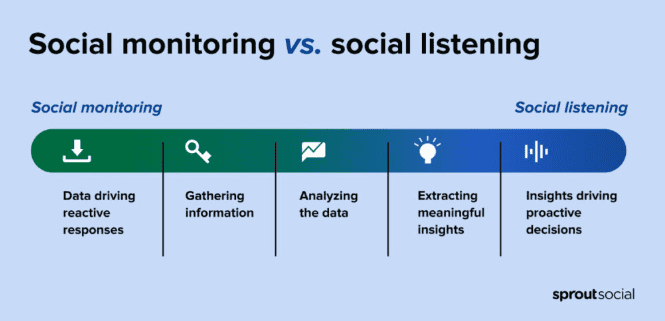
You can’t just talk. You have to listen too. Social listening tools help you hear what people are saying about you, which is important for your reputation management. Monitoring social media channels and other online channels enables you to track conversations, trends, and sentiment in real time, ensuring you stay connected with your audience across platforms.
You also need media monitoring tools. They tell you the moment someone mentions your brand online, so you can join the conversation right away. Digital PR allows for hyper-precision, enabling you to target niche blogs and trade media where engagement rates are often higher among professional decision-makers.
Real-time response and media inquiries
When a journalist has a question, they need an answer fast. They might send out media inquiries to several experts. The one who answers first usually gets the mention.
Consider responding on social media platforms. If someone asks a question about your industry, answer it. You don’t always need to sell. Just being helpful builds your brand authority.
Integrating social media advertising strategies
Your PR and your ads should work together. This is a smart way to use your marketing strategies. Integrating digital marketing tactics, including paid media, can amplify your PR results by ensuring your message reaches a wider, targeted audience. If you secure strong media coverage, show it to more people through ads.
You can take a quote from a big magazine and put it in a Facebook ad. This adds “social proof” to your ad. People are more likely to click because they trust the magazine.
Newsjacking and reactive PR in the digital era
Newsjacking and reactive PR have become essential pillars of a successful digital PR strategy. Newsjacking is the art of capitalizing on trending news stories or industry developments to insert your brand into the conversation, boosting brand visibility and credibility almost instantly. Reactive PR, meanwhile, is about responding swiftly and strategically to unexpected events—whether it’s a breaking news story, a sudden industry shift, or a crisis that demands immediate attention.
Unlike traditional PR, which often relies on long lead times and print publications, digital public relations leverages real-time digital channels and social media platforms to engage with target audiences as news unfolds. This agility allows brands to create newsworthy content that resonates with both media outlets and potential customers, positioning themselves as thought leaders and trusted sources.
A strong digital PR team or digital PR agency is crucial for monitoring industry trends, tracking media coverage, and identifying opportunities for newsjacking. Using advanced social listening tools and media monitoring platforms, public relations professionals can spot emerging stories and quickly craft relevant, timely content—whether that’s a blog post, a press release, or a social media update. This proactive approach not only boosts visibility in search engine results but also helps improve SEO by earning high-quality backlinks from high-authority sites and industry publications.
Reactive PR requires a high degree of responsiveness and strategic thinking. When unexpected events occur, brands must be ready to communicate clearly and authentically across multiple channels, from social media marketing to press releases distributed to news sites and online platforms. The goal is to protect the brand’s reputation, maintain trust with target customers, and ensure the brand’s message is heard above the noise.
Integrating newsjacking and reactive PR into your digital PR campaign amplifies your brand’s reach and authority. For example, when a major industry update breaks, a well-timed expert comment or data-driven insight can secure media mentions in top-tier publications, drive website traffic, and generate leads. Influencer marketing and partnerships with high authority sites can further amplify your message, while content marketing ensures your brand’s perspective is both timely and valuable.
Search engine optimization is a key consideration throughout. By optimizing reactive content and newsjacking pieces for relevant keywords and structuring them for generative engine optimization, brands can boost their search rankings and increase their chances of being cited in AI-driven search results.
Ultimately, a modern PR strategy that combines newsjacking, reactive PR, and traditional public relations tactics creates a comprehensive approach to building brand awareness, credibility, and business growth. By leveraging digital channels, engaging with media outlets, and staying attuned to industry trends, brands can stand out in a crowded market, improve SEO, and drive sustained business success in 2026 and beyond.
Making digital PR a priority for 2026
The art and science of marketing continues to evolve. Search, social media, and AI are all changing the way people discover and trust brands. Digital PR is the connective tissue that holds everything together. It strengthens SEO, fuels visibility in AI-driven search, and builds credibility long before someone clicks a link. By reaching your target audience and building a strong digital presence through media coverage and authoritative backlinks, digital PR amplifies your brand’s online authority and credibility.
Digital PR is a strategic online marketing tactic used to increase brand awareness, online visibility, and reputation through digital channels like blogs, podcasts, and social media.
A strong digital PR strategy takes time. It’s not a quick win or a one-off campaign. But it’s one of the few approaches that keeps working as algorithms change. Brands that invest in authority, real stories, and earned media build momentum that competitors struggle to copy.
If you want to grow search visibility, protect your brand reputation, and stay relevant in 2026, now’s the time to act.
Book a call with uSERP to build a digital PR strategy that earns trust and drives long-term results.