




Have you ever wanted to …
Predict which customers will churn before they think about leaving?
Know which ad creative will convert before it even goes live?
Spot supply chain hiccups before they explode into delays?
With predictive analytics – powered by data analytics and artificial intelligence – at work, you can. And in 2026, that means more data, faster answers, and decisions made in real time – not weeks later. Marketers, SEOs, and businesses aren’t just reporting on what happened anymore. They’re getting ahead of what’s next.
Let’s take a look at how predictive analytics can become your crystal ball for everything from customer engagement to operational efficiency. We’ll review what predictive analytics really is, how it works, why it matters, and how marketers can get real value from it in 2026. 👇
Highlights
- Predictive analytics uses data and machine learning to forecast what will likely happen next.
- It helps marketers and businesses make faster, smarter decisions based on evidence instead of guesswork.
- Top benefits include better targeting, improved operations, lower costs, and stronger customer experiences.
- Challenges like data quality, bias, and privacy need careful management to keep predictions accurate and fair.
- When teams integrate predictions into everyday workflows, they gain a major competitive edge heading into 2026.
What is predictive analytics?
Predictive analytics focuses on turning data into foresight. It’s a mix of statistics, data analysis, machine learning, and historical info that helps answer the question: “What’s likely to happen next?”
Think of it this way: if your historical data is a rearview mirror, predictive analytics is your windshield. It shows the road ahead.
For marketers, that means knowing which customers are ready to buy, who might churn, and which segments respond best to your campaigns.
For operations, it highlights bottlenecks or risk points before they become headaches.
For finance, it flags potential defaults or cash-flow issues.
The value is huge. Instead of guessing, you make decisions based on evidence.
Inventory aligns with demand. Ads land in front of the right people. Campaigns hit when they matter. And customers feel seen, valued, and more likely to stick around.
How does predictive analytics work?
Predictive analytics follows a simple flow:
- Gather data.
- Clean it.
- Train models.
- Validate results.
- Feed insights into the systems your team uses.
The power comes from the techniques that find patterns in your data. 👇
These include:
Decision trees
Decision trees break down decisions step by step. They’re intuitive, easy to explain, and handle messy data well.
Picture a tree. Every branch is a choice, and every leaf is the outcome. For example, marketers can see why a model predicts that a certain customer will buy or abandon their cart.
Neural networks
These are pattern-recognition beasts.
They spot complex, nonlinear relationships that simpler models miss. (Think subtle changes in browsing behavior that signal a likely purchase. Or a combination of factors indicating an operational risk.)
Neural networks often work alongside regression and decision trees.
Regression analysis
This is about relationships. You ask: “If X changes, what happens to Y?”
For example, raising a product’s price might affect sales volume. Or a drop in ad spend could influence leads.
When these techniques are combined, marketers gain foresight across campaigns, customer segments, and operational workflows.
Top benefits of using predictive analytics
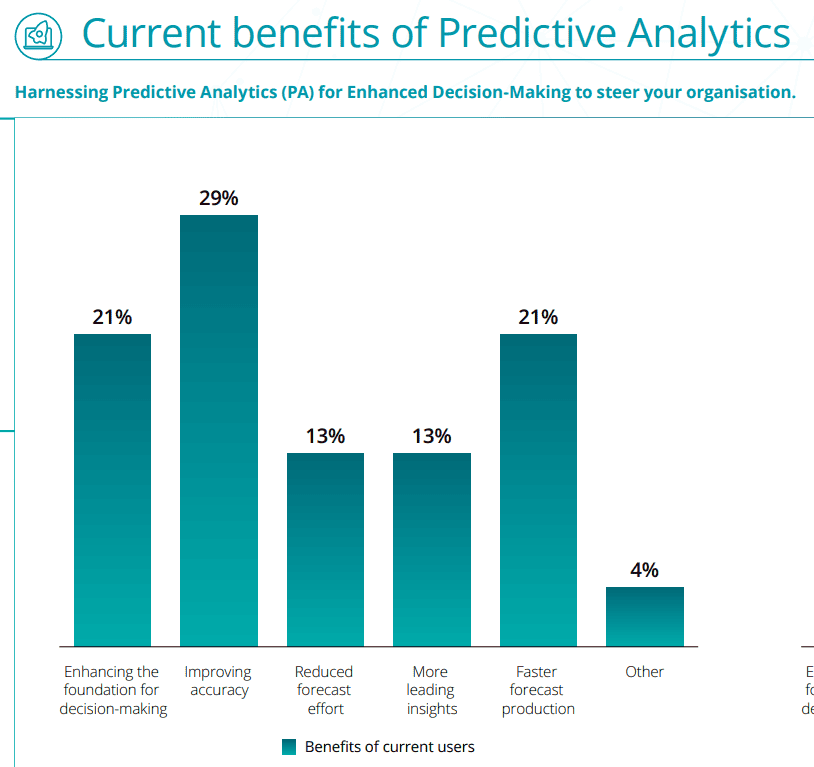
Predictive analytics tells you what’s coming and what to do about it. According to Deloitte’s Predictive Analytics Market Study, 22% of organizations have already integrated predictive analytics tools into their organization.
Some of its top benefits include:
Smarter decisions, faster
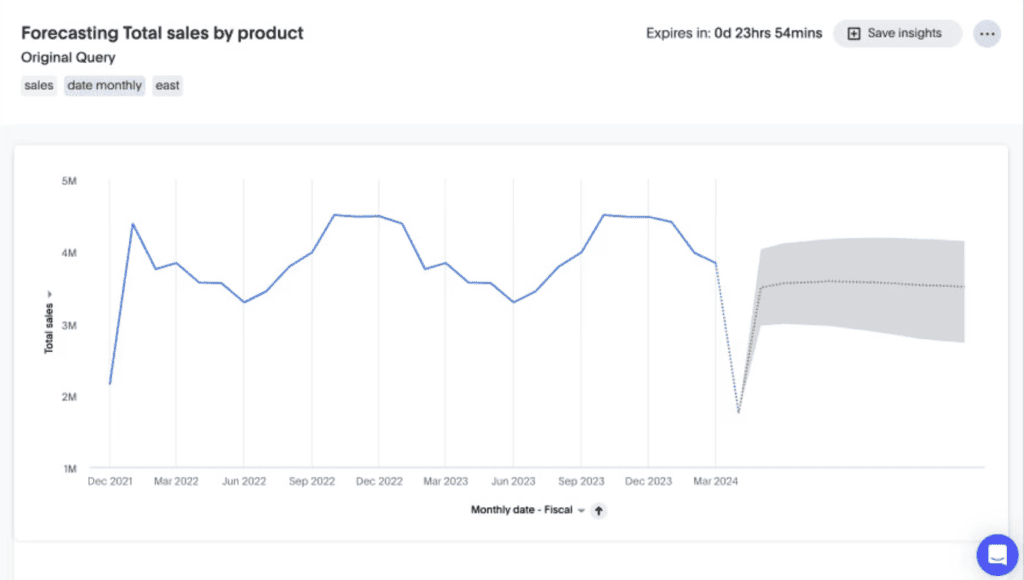
You can use advanced analytics and predictive algorithms to see which campaigns will likely hit, which audience segments will engage, and which products will fly off the shelves.
And it changes how decisions get made. Instead of testing something after you’ve already spent the budget, you can validate the idea before you commit to it.
For example, you can forecast which men’s suit styles will sell based on past trends and social buzz. Or which blog posts are likely to rank higher and bring in more monthly revenue.
Operational efficiency
Predictive analytics keeps operations ahead of the curve. Retailers can forecast bottlenecks, schedule staff for peak demand, and plan inventory levels. Delivery teams can adjust routes before traffic snarls cause delays. And manufacturing lines know when to ramp up or slow down. Logistics management software can help businesses connect transportation planning, delivery operations, and shipment visibility in one platform.
Lower costs
Predicting risks before they materialize saves money. For instance, knowing which campaigns might fail prevents wasted ad spend and resources.
Better customer experiences
Predictive insights let you act before customers even ask.
You can analyze customer behavior to predict what drives customer loyalty and customer happiness.
For example, personalized emails, targeted offers, and proactive service based on preferences.
Strategic foresight
Beyond day-to-day efficiency, predictive analytics helps companies see trends before competitors. Campaigns become decisions grounded in data. You can pivot faster when markets shift and spot opportunities others miss.
Challenges to be aware of when using predictive analytics
Keep these challenges in mind when using predictive analytics:
Data quality
Models only work with good data. Incomplete or messy data produces weak predictions. Teams must constantly clean, validate, and track data flows to keep forecasts accurate.
Workflow integration
Insights trapped in a spreadsheet or report create more work than they solve. Feed predictions into dashboards, CRMs, or campaign management platforms to drive immediate action.
Bias
Models reflect the data they learn from. Historical trends can reinforce existing biases. Teams must monitor predictions and adjust for fairness.
Privacy and compliance
Data comes with responsibility. Laws like GDPR and CCPA mean predictive analytics has to balance utility with privacy. Build compliance checks into the process to protect sensitive information.
Complexity and interpretability
If predictions are confusing, teams hesitate to take action. Keep outputs clear, interpretable, and actionable. Visual dashboards help make complex models digestible for marketers and SEOs.
Real-world applications
Here are some practical use cases.
➜ Predicting conversions and purchases: E-commerce and retail marketers see which visitors will convert. They use targeted campaigns or retargeting to increase relevance and engagement.
➜ Segmenting customers: Marketers group users by predicted behavior to deliver campaigns that resonate.
➜ Forecasting maintenance needs: For industries relying on machinery, predictive analytics spots maintenance needs. This extends equipment life and keeps production efficient.
➜ Reducing risk: Credit, insurance, and collections teams predict defaults and intervene early. Businesses lower risk and improve outcomes for customers.
➜ Detecting fraud: Financial institutions flag unusual activity in real time. And stop fraud before it spreads.
➜ Improving operations: From inventory to staffing, predictive analytics can help streamline operations.
Across all applications, the theme is the same: Shift from reacting to anticipating.
How to take advantage of predictive analytics in 2026
Here’s how you can use predictive analytics for your marketing and SEO clients in 2026:
Clean your data
Dirty data kills predictions faster than wasted ad spend.
Make sure your customer data is accurate and up to date. Track where each piece of data comes from and see how it flows through your systems. (Think of it like pipeline maintenance. If leaks exist, your predictions won’t hold.)
*Pro-tip: Set up automated data quality checks. For example, flag missing customer emails or out-of-range purchase amounts.
Make models explainable
A model that just spits out predictions without context is useless. Your team has to understand why the model says what it says. This prevents those “wait, why are we doing this?” moments.
*Pro-tip: Use visualization tools to show feature importance or decision paths. For SEO, that could mean highlighting which content most influences predicted traffic growth. For paid campaigns, that may mean showing which audience behaviors drive predicted conversions.
Experiment with edge and federated setups
Some predictions need lightning-fast responses. Or must respect privacy rules. Pushing models closer to the data source (on devices, servers, or federated networks) cuts latency and keeps sensitive info local.
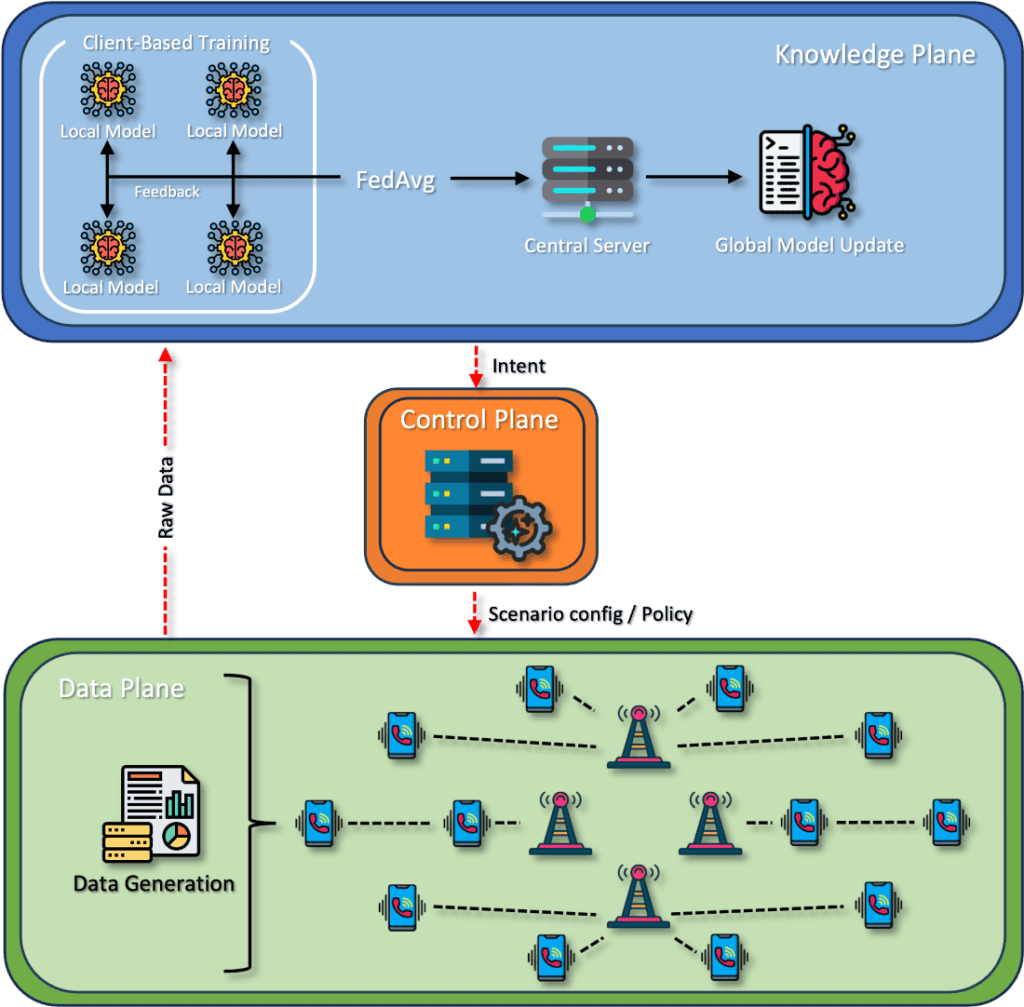
*Pro-tip: Start with a small pilot. For example, run a predictive model for local ad conversions before deploying globally. Measure results, tweak, then scale.
Keep humans in the loop
Models predict patterns. But humans need to add context.
Keep workflows where humans review and act on predictions. This stops edge cases from slipping through the cracks and helps the model learn faster.
*Pro-tip: Create a feedback loop. For instance, if a predicted “high-converting audience” underperforms, feed that info back into the model. Over time, predictions should align closer with reality.
Embed insights where they matter
Predictions are worthless if they live in a spreadsheet no one opens. Push insights into dashboards, CRMs, marketing platforms, and even project management tools, so your team can act immediately.
*Pro-tip: Connect predictive signals to automated triggers. If the model predicts a high churn risk for a customer segment, auto-add them to a retention campaign with personalized offers.
Monitor bias constantly
Models reflect historical trends. Without oversight, you can repeat old mistakes or make unfair predictions.
Keep bias detection part of the workflow.
*Pro-tip: Rotate datasets. Test for skewed predictions across demographics. And run automated alerts if outputs look suspicious. This keeps your campaigns fair and your data defensible.
Train your team
A predictive model is only as good as the people using it. Marketers and SEOs need to understand what models do, what they mean, and how to act responsibly.
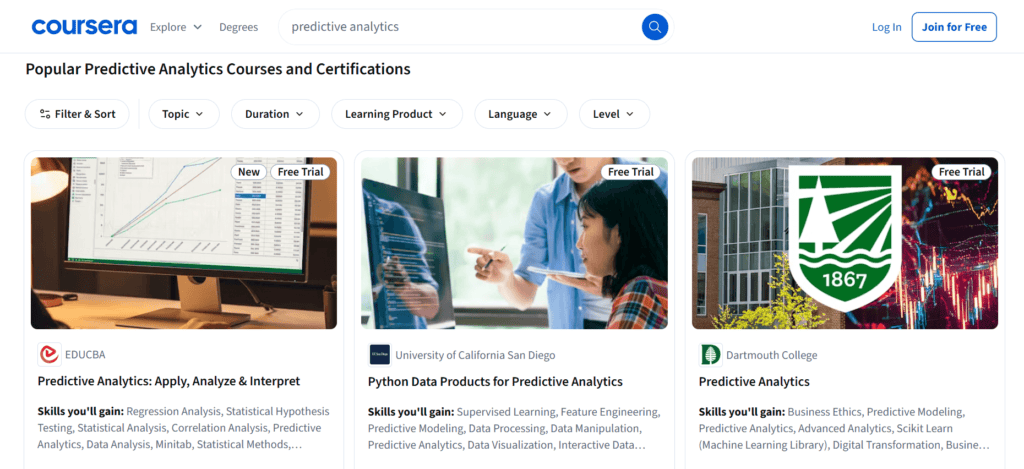
*Pro-tip: Run short internal workshops. Have team members practice reading predictions and interpreting signals. Later, have them act on them in real scenarios.
Use sandbox campaigns to experiment without risk.
Need help choosing tools?
Check out these guides by Gartner and ThoughtSpot:
Combine data sources wisely
Your insights are only as strong as the data behind them. Merge sales data, web analytics, social metrics, CRM info, and even IoT or sensor data if relevant.
According to Deloitte, half of current users and about a third of new users mostly use past financial data for predictive analytics. Some teams are mixing in their own numbers with external data (such as prices, inflation, and economic trends) to make better forecasts.
*Pro-tip: Start with small pilots to validate your approach. Test if combining Google Analytics, email behavior, and purchase history improves conversion predictions. (Before scaling to every dataset you have.)
Measure business impact
Accuracy is great, but it doesn’t pay your bills. Track how predictions affect real outcomes. (Like revenue lift, cost reductions, campaign ROI, or customer retention.)
*Pro-tip: Build dashboards that connect predicted outcomes with real results. For instance, measure whether predicted high-engagement content actually drove traffic.
Stay ahead of the rules
AI and data laws keep evolving. Plan for privacy, consent, and regulatory compliance from day one to avoid headaches later.
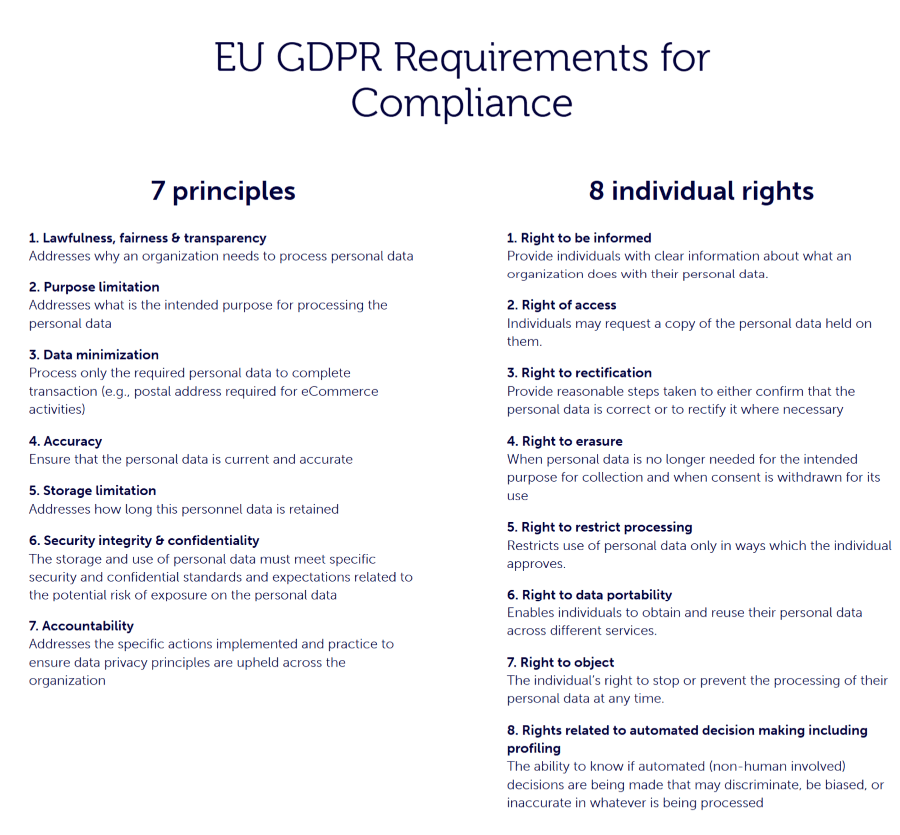
*Pro-tip: Partner with legal and compliance early. If you’re running predictive campaigns in Europe or California, make sure your data pipelines comply with GDPR or CCPA requirements. This ensures your predictive setup scales without hitting legal roadblocks.
Wrap up
Predictive analytics in 2026 is a major competitive advantage.
Marketers who embed accurate predictions into workflows see more successful campaigns and more loyal customers.
It’s not magic. It’s a tool. But when you use it properly, it transforms the way you make decisions and connect with customers.
Need support? Let uSERP track your data and suggest the best SEO campaigns for 2026. Book a free call now.
FAQs
What’s the difference between predictive and prescriptive analytics?
Predictive analytics tells you what’s likely to happen next. Prescriptive analytics tells you the best move to make based on that forecast.
How important is data quality for predictive analytics?
Data quality is essential. Even a strong model falls apart if the data going in is inaccurate.
Can predictive analytics replace human decision-making?
No. It streamlines choices and highlights what you should pay attention to. But you still need human context and real-world judgment to make final decisions. Make sure your team practices interpreting and applying the data.
What industries benefit most from predictive analytics?
Finance, healthcare, retail, manufacturing, and logistics. They rely on it heavily because they deal with fast-moving data.
How does AI improve predictive analytics?
AI handles larger datasets, uncovers deeper patterns, and analyzes information in real time. It speeds up the process and makes the predictions more adaptive as new data comes in.
What skills do teams need to implement predictive analytics?
You need data science, statistics, machine learning, and data engineering skills. Consider hosting training sessions before implementing predictive analytics.