Team Case Studies
SaaS B2B CompaniesPipeline-driven SEO and links for software brands selling to teams and enterprises.
EcommerceCategory, product and comparison pages that rank, get cited and convert.
Trades & ConstructionLocal and national visibility for contractors, builders and home service brands.
Staffing & RecruitingOwn the searches employers and candidates run before they pick a firm.
FinanceAuthority links and compliant content for fintech, lending and financial services.
InsuranceYMYL-grade SEO for carriers, brokers and insurtech, built for review-heavy approval.
Book Intro Call #1 link building company on Clutch
Healthcare GEO agency · AEO · AI search

The healthcare GEO agency that gets you cited when patients and buyers ask AI.

uSERP is the AI search agency healthcare brands hire to show up when patients and healthcare buyers compare options on Google, in AI Overviews and AI Mode, and in ChatGPT, Gemini, and Claude. We build the YMYL-grade content and editorial authority behind that visibility, with senior strategy focused on appointments, qualified leads, and pipeline.

Prompt-to-source map
How we find the gap
Illustrative
1Patient question
“Which telehealth providers prescribe GLP-1 for weight loss, and which one is legitimate and affordable?”
2Brands in the observed answer
Competitor ACompetitor BCompetitor CYour brand: not mentioned
3Sources cited
Health publisher · “best telehealth for GLP-1” roundup, medically reviewedEditorial
Reddit thread · r/semaglutide “who did you use?”Third-party
Competitor A · own “GLP-1 cost and eligibility” pageOwned
Proposed actionPublish the eligibility and cost page your site is missing, with clinical review, then earn a place in the roundup the answer already cites.
Real engagements use dated prompt sets across the platforms we agree on together.

Health and medical brands we help show up in AI search and Google

Advocate Form Health Fusion Medical Staffing Hims & Hers Henry Meds
AI search proof and healthcare results

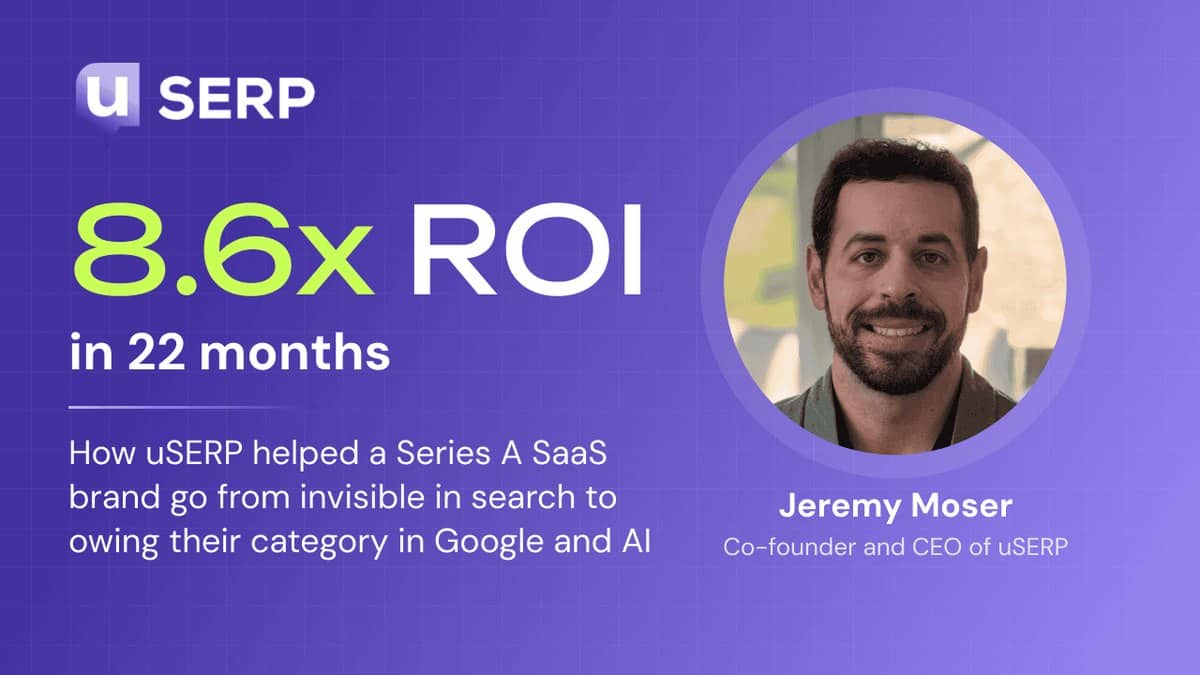
AI search results from a 22-month program, and the healthcare brands that hired us for ROI

One published AI search case study with a dated prompt set, and three published healthcare case studies with the numbers behind each one.

The AI search case study describes that client's tracked results across a dated prompt set; visibility varies by prompt, platform, and period and is not a promised outcome for another business. Healthcare figures come from the linked case studies.

Why healthcare needs a GEO agency now

Healthcare is the category where the AI answer shows up most. Your brand has to be in it.

Google puts an AI Overview on almost every healthcare query, and ChatGPT, Gemini, and Claude answer the same questions by naming three to five brands and citing a short list of sources. If a patient or healthcare buyer asks who to use, and the answer does not name you, you are not in the decision.

Share of healthcare keywords showing a Google AI Overview

December 2023
59%
December 2024
84%
December 2025
89%
Treatment and procedure queries
100%
Symptom and condition queries
93%
“Near me” healthcare queries
0%
BrightEdge, Healthcare AI Evolution in Google 2023 to 2025, December 2025. Treatment, symptom, and “near me” figures are December 2025 coverage by query type.
75%of patients research doctors, dentists, or medical care online before choosingTebra Patient Perspective Report, 2023, 1,200+ patients
3.1xmore reliance on digital sources than provider referrals when choosing a new primary care providerPress Ganey, Consumer Experience Trends in Healthcare, 2023
84%check online reviews before choosing a new provider; 61% weight reviews above personal referralsrater8, How Patients Choose Their Doctors, 2025
1B+health questions asked on Google every day, about 7% of all searchesGoogle Health, as reported by Becker's, 2019
The commercial problem

The patient and buyer questions are where we start

These are the conversations we want your brand to be part of. Not every prompt, and not every keyword with volume. The ones where a patient is choosing care or a healthcare buyer is choosing a vendor.

We work backward from what you treat or sell and why patients and buyers choose you. That tells us which topics matter, where your brand is missing, and which pages or outside sources deserve attention first. That is the difference between an AI search agency that chases mentions and one that earns the mentions that turn into appointments and pipeline.

Telehealth and DTC healthGLP-1, weight management, men's and women's health, mental health, dermatology. Be the named option when the AI answers “who can prescribe this online.”
Provider groups and multi-location careSpecialty practices, MSOs, DSOs, behavioral health, urgent care. Location, provider, and service-line entities the engines can recommend.
Digital health and health techPractice management, patient engagement, RCM, clinical software. The vendor comparison answers buyers at health systems and practices read.
Medical staffing and healthcare servicesTravel nursing, locums, allied health, home health. The answers clinicians and facilities get before they pick a firm.
Medtech, pharma, and biotech marketing teamsDevice, diagnostics, and therapy education that has to clear MLR review and still get cited.
Payers, benefits, and health plansPlan, network, and Medicare Advantage questions answered with your evidence, inside review-heavy approval cycles.
The method

Build the evidence patients, buyers, and AI engines need to choose you

Your website explains what you treat or sell and who you are best suited to help. Independent coverage adds the context and credibility the engines weigh hardest in healthcare. Our GEO and AEO work examines both, then builds a plan around the gaps that matter in your category.

01 · YMYL commercial content

Content that answers the patient and buyer questions, and clears review

We improve condition, treatment, eligibility, cost, comparison, and alternatives pages so a patient or buyer can understand the offer and evaluate it: who it is for, what it costs, what insurance covers, where it is the wrong fit, and the questions your intake or sales team answers every week. Clinical content goes through a medical review step agreed in onboarding, with reviewer, credentials, and review date on the page.

The plan may call for new pages, stronger existing pages, or consolidation where several pages compete for the same intent. We group related questions into useful topics so the site covers the decision without a separate page for every prompt variation.

What you receiveA topic and page map, prioritized briefs with the review path marked, and an agreed scope of new content or page improvements.
Page briefIllustrative

/glp-1/eligibility-and-cost

Patient question
“Am I eligible for GLP-1 weight loss treatment online, and what will it cost with or without insurance?”
Must cover
  • Eligibility criteria and who should not use it, plainly
  • Cost with insurance, cash pay, and compounded vs. brand, side by side
  • What the first consult involves and who the prescribing clinician is
Evidence needed
Named medical reviewer, state licensing list, pricing table, two primary-source citations
Owner · Due
uSERP writer · client clinical review · uSERP publish check · 3 weeks
02 · Editorial authority and cited sources

Authority around your brand, on the sources the health answers already cite

We pursue relevant editorial links to the commercial pages that need stronger authority. We also identify the health publishers, directories, review sites, Reddit threads, and other sources appearing in the AI answers we study, then evaluate where your business has a credible reason to be included.

These are related opportunities with different purposes. A relevant link can support an important treatment page even when the publisher does not appear in our sampled answers. A mention in a medically reviewed roundup can put your brand into the comparison a patient is reading. We assess the value of each rather than assuming every placement does both.

What you receivePage-level targets, source opportunities, outreach, and a live placement record. Community work on Reddit and forums is separately scoped and represents your brand honestly.
Placement record · this monthIllustrative
PublisherTypeTarget pageStatus
Health publisher, medically reviewedMention in roundupBrand + /glp-1Live
Women's health magazineEditorial link/treatments/semaglutideLive
Provider directoryProfile and credentialsBrandIn review
Business press, telehealth featureEditorial link/about/cliniciansPitched
03 · Technical and entity work

Technical work so the engines can read, trust, and connect your pages

We review whether important content is accessible, indexable, understandable, and connected through the site, and whether your entity data (organization, clinicians, locations, services, conditions) is consistent everywhere the engines look. Where a problem blocks an opportunity, we scope the fix and verify the implementation.

That can include medical schema, redirects, canonicals, internal links, or how a page renders. The priority comes from the problem and its impact. Formatting changes and special files do not replace a strong offer, reviewed content, or relevant evidence.

What you receivePrioritized technical and entity requirements, clear implementation responsibilities, and checks on the work completed.
Scoped technical taskIllustrative
GEO-TECH-07

Treatment pages render pricing and eligibility behind a client-side accordion; primary copy not in initial HTML

Blocks an opportunity · fix before content sprint
Impact
Five treatment pages are indexed with thin content; three are excluded from the AI Mode sample entirely and ChatGPT describes pricing incorrectly.
Owner
Client front-end team · uSERP writes acceptance criteria
Acceptance
Full eligibility and pricing copy present in the server response, MedicalOrganization and Physician schema validated, verified live with a rendered fetch.
Gordon Meagher

A senior strategist decides the order

The balance changes by business. Some healthcare brands need stronger owned treatment and eligibility pages. Others already have reviewed content but lack authority or independent coverage on the sources the answers cite. We explain the recommendation, its business purpose, and what should wait. Gordon Meagher, VP of SEO Strategy, leads strategy development for uSERP clients, and Robert J Lora, Director of SEO, runs AI search visibility and citation tracking.

Medical accuracy, YMYL, and patient data

In healthcare, being described wrong by an AI is a compliance problem. Here is how we handle it.

Who checks medical accuracy, how regulated claims are handled, what we do when an AI answer misstates your prescribing, pricing, or eligibility, and what happens to patient data. The process, so legal and clinical can clear it before the intro call.

0PHI in uSERP systems
1review step before anything clinical ships
BAAwhere your counsel requires one
01 · Medical review

Clinical content is reviewed before it publishes, and before an AI can cite it

Every condition, treatment, and clinical claim goes through a review step agreed in onboarding: your clinical or medical affairs team, or a credentialed reviewer we bring in and name on the page. Reviewer, credentials, and review date appear on clinical pages, with citations to primary sources. The same signals the engines weigh when deciding what to cite.

02 · Regulated claims and misdescriptions

Claims guardrails agreed up front, and a correction path when an answer gets you wrong

Before production, we document what can and cannot be said: efficacy and outcome language, prescription and off-label boundaries, FTC and FDA advertising rules where they apply, and your legal guardrails. When an AI answer misstates your offer, we trace the source, update owned information, and pursue corrections on third-party sources where possible.

03 · Patient data and tracking

No PHI in our systems. Measurement built for healthcare tracking limits.

We never need patient records, portals, or authenticated pages. On patient-facing pages we configure analytics and AI referral tracking around HHS Office for Civil Rights guidance on tracking technologies, as it stands after the June 2024 ruling in American Hospital Association v. Becerra, and work with your counsel on consent, vendor BAAs, and what the tags may collect.

We describe a process here, not a compliance certification. Your counsel decides what applies to your organization.

SEO and AI search in healthcare

What a healthcare GEO agency does, and how it fits the SEO you already fund

AI search optimization, often called GEO (generative engine optimization) or AEO (answer engine optimization), focuses on how a brand and its content appear in generated answers. It shares its foundations with healthcare SEO, while adding questions about recommendations, cited sources, and how your care or product is represented.

Traditional search
AI search
Where do patients and buyers encounter you?
Search listings, the map pack, and the pages they visit.
Generated answers that name providers, treatments, and vendors, plus the sources those answers cite.
What do we improve?
Reviewed content, technical accessibility, authority, and conversion paths to appointments or demos.
Those foundations plus gaps in observed answers, cited sources, entity data, and how your brand is described.
What do we measure?
Visibility, qualified visits, appointment requests and SQLs, and business outcomes.
Sampled mentions and citations across a dated prompt set, identifiable AI referral visits, and attributable outcomes where tracking allows.
What is different in healthcare?
YMYL scrutiny: expertise, review, and authority decide the SERP.
The same scrutiny, and a misdescription of prescribing, pricing, or eligibility carries compliance risk, so we track how you are described, not only whether.

Healthcare GEO agency, AEO agency, AI SEO agency: three labels, one job

The market has not settled on a name. The work is the same: earn a credible place in the answers your patients and buyers read.

Healthcare GEO agency

Generative engine optimization

Works on how your brand appears in generated answers from ChatGPT, Google AI Mode, Gemini, Claude, and similar systems: which providers or vendors get named, which health sources get cited, and how the care or product is described.

Healthcare AEO agency

Answer engine optimization

Focuses on the answer itself: structuring treatment, eligibility, and comparison pages and third-party coverage so a patient's or buyer's question gets answered with your evidence, in Google AI Overviews and beyond.

Starting-point diagnostic

Where is your healthcare AI search program getting stuck?

Use these signals to identify a useful starting point. The answer determines the work a healthcare GEO agency should recommend, and the work we will recommend.

What you seeWhat to investigate first
!Competitors are named for the conditions or treatments you offer; your brand is absent.Check prompt coverage, the health sources cited, and the eligibility, cost, and comparison pages your site is missing.
!Your pages describe the service but do little to help a patient or buyer compare.Improve eligibility, cost and insurance, comparisons, clinician credentials, and patient evidence, with the review path built in.
!Healthline, Mayo Clinic, and WebMD hold the citations for everything you treat.Separate informational prompts, where publishers will keep winning, from “who can treat this” and “which provider” prompts, where a brand with clinical oversight can be named. Earn mentions on the sources already cited for the second group.
!AI answers mention you but describe prescribing, pricing, or eligibility incorrectly.Find the source of the mismatch, update owned information and entity data, and pursue corrections on third-party sources. Treat it as a compliance item, not only a marketing one.
!AI visibility is increasing, but appointments or pipeline are unclear.Review conversion paths, booking and intake, lead quality, and attribution within your healthcare tracking limits before expanding the program.

If one of these sounds familiar, we can talk through the gap and the scope needed to address it.

Get your AI search proposal
Deliverables and measurement

Know what is being delivered and why

Your proposal defines the work included each month. The mix reflects the diagnosis, whether that means more reviewed commercial content, stronger authority on the sources the answers cite, or a focused set of technical and entity fixes.

1StrategyA prioritized roadmap, prompt and topic gaps by condition and treatment, target pages, and the rationale behind the next work.
2ContentThe agreed number of briefs, new assets, or page optimizations, with medical review and publishing responsibilities marked.
3AuthorityPlacement targets and delivered links or mentions, including destination pages, context, and live URLs.
4Technical and entityScoped requirements, schema and entity consistency, implementation status, and verification.
5ReportingWeekly delivery updates, monthly performance review, and quarterly strategy reassessment.

Measure visibility and what happens after it

This is how a healthcare GEO agency should measure performance: business outcomes first, with the visibility evidence needed to understand them, inside the tracking limits healthcare sites live with.

1
Business outcomeAre appointment requests, consults, qualified leads, sourced pipeline, or revenue changing? Reported from analytics, your CRM, or your practice management system when they support it.
2
Acquisition and conversionWhich identifiable sources and landing pages contribute, including identifiable AI referral visits and conversions on priority treatment, eligibility, and product pages.
3
Observed visibilityWhere you are named, recommended, cited, and how you are described, across an agreed prompt set, plus relevant organic rankings.
4
DeliveryWhat went live, what cleared review, what is blocked, and what we learned.
What we will not do

A mention is not automatically a recommendation. A citation is not automatically a visit. We show the distinction, explain the limitations of the data, and never treat an increase in visibility as proof of additional appointments or revenue.

AI responses vary across prompts, users, and time. We keep the measurement approach consistent where possible, flag changes that affect comparisons, and use intake feedback and self-reported discovery alongside the available analytics where healthcare tracking limits leave attribution incomplete.

Research and delivery

A plan built around your conditions, treatments, and buyers

Generic GEO checklists treat every business the same. We start with the services you want to grow, the patients or buyers you want, and the questions they ask before choosing.

Map the prompts and topics

We map relevant topics and patient or buyer prompts by condition, treatment, and location across the agreed platforms, including Google AI Overviews, AI Mode, ChatGPT, Gemini, and Claude.

Separate brands from sources

For the answers we observe, we distinguish the brands named from the pages cited, and whether those sources are owned treatment pages, health publishers, directories, Reddit, or reviews.

Match opportunities to your pages

We agree on what to improve, what to create, where to build authority, and which technical and entity issues need attention. Each priority gets a reason, an owner, a review path, and a delivery scope.

Execute, review, update

We deliver the approved work, review the results, and update the plan. Pages already earning visibility get revisited for better evidence and broader coverage.

1/ WEEKDelivery update: shipped, cleared review, placed, blocked
1/ MONTHPerformance review in the four-level measurement model
1/ QUARTERStrategy reassessment against the AI visibility baseline
1PROMPT SETDated, fixed, and visible in every report, with platforms and metric definitions
24/ 7Client portal with direct chat to the whole team and deliverable status
Fit and investment

Managed healthcare SEO and AI search programs from $5,000 to $50,000 a month

Where an engagement lands depends on size and scope: the number of service lines, locations, and brands, the review load, the authority needed to be cited in your category, and whether this is a single-brand program or an enterprise one. Your engagement combines senior strategy with an agreed mix of reviewed commercial content, authority building, page optimization, and technical and entity support.

Need the full healthcare search program, not only AI search? See our healthcare SEO agency page. Not in healthcare? See the AI SEO agency page. Need a senior lead for an in-house team? See Fractional Head of SEO.

Is this for an organization your size?

Who this healthcare GEO agency is for, and who it is not

A strong fit when

  • You have a proven service or product, clear patients or buyers, and an existing marketing function
  • You can see commercially relevant gaps in Google and AI answers for the conditions, treatments, or categories you compete in
  • You have, or can assign, a clinical or compliance reviewer so content can clear review on a schedule
  • You have the budget and internal support to make changes, and leadership measures marketing in appointments, SQLs, or pipeline
  • Procurement, security review, and an MSA are part of how you buy, and you want a vendor who has done that before

A better first step when

  • Your offer is still being validated, or there is no marketing function to act on the demand
  • Basic website access is blocked, nobody can approve clinical content, or there is no capacity to implement
  • You are a single practice or solo provider. Practice-level local SEO is the right spend, and we will say so on the call.
  • The priorities need a deeper investigation first. We can scope an initial AI visibility audit and roadmap before recommending ongoing work.
Verified on Clutch · 4.9 rating

Ranked by verified, interview-based client reviews, not self-reported claims

Clutch ranks agencies on interviews with real clients. uSERP holds top SEO and link building company badges across multiple categories, including the 2026 United States link building award.

Top Clutch Link Building Company United States 2026Top link building company · United States · 2026
4.9average Clutch rating from verified, interview-based client reviews
42published case studies, three of them in healthcare, one a dated AI search program
575+clients served, from seed-stage startups to public companies
12+years running SEO programs for health and medical brands
Senior team

A senior team that can explain the decisions

You work with a dedicated senior strategist who connects the research to the plan and stays involved as the work gets done. We can work alongside your internal SEO team, clinical reviewers, writers, developers, and existing partners; the proposal makes ownership clear.

Gordon Meagher

Gordon Meagher

VP of SEO Strategy · leads strategy development

Over 10 years at the cutting edge of SEO in highly competitive markets. Gordon leads strategy development for uSERP clients and reviews the methodology and visibility evidence behind every AI search program. Before kickoff, we confirm your day-to-day lead and the specialists supporting the engagement.

Robert J Lora
Robert J LoraDirector of SEO · revenue-centric strategy, LLM and AI search specialist, citation tracking
Jeremy Moser
Jeremy MoserCo-founder and CEO · executive sponsor, pricing and scope · 12+ years running SEO for health and medical brands
Brad Smith
Brad SmithCo-founder · content strategy and YMYL editorial standards
In the first three months, we achieved better outcomes than more than a year into working with a different healthcare SEO company. Our internal goal for our domain rating growth was hit within 4 months.
Stanford SwansonSEO Strategist, Fusion Medical Staffing
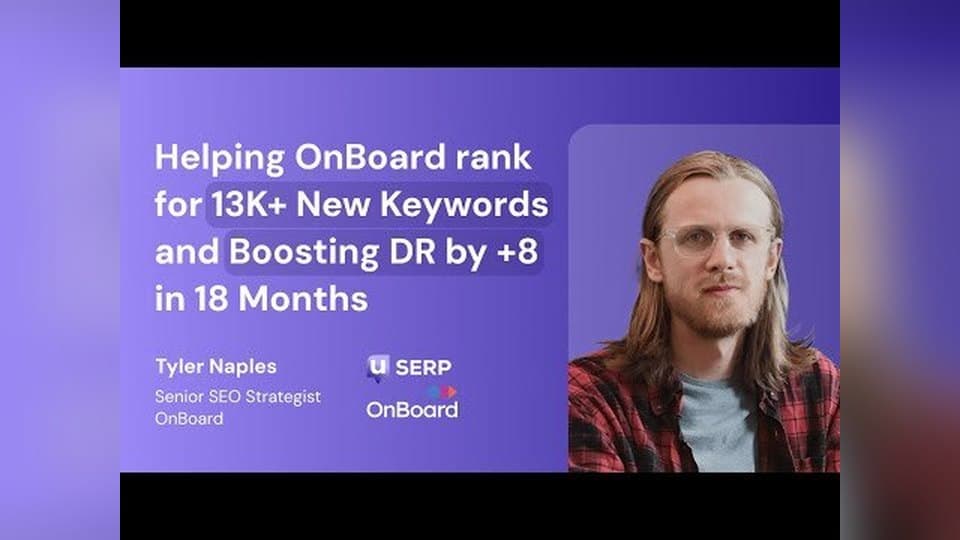
uSERP is purpose built for any enterprise class organization looking to accelerate organic growth. They are my ace in the sleeve.
Tyler NaplesSenior SEO Strategist, OnBoard
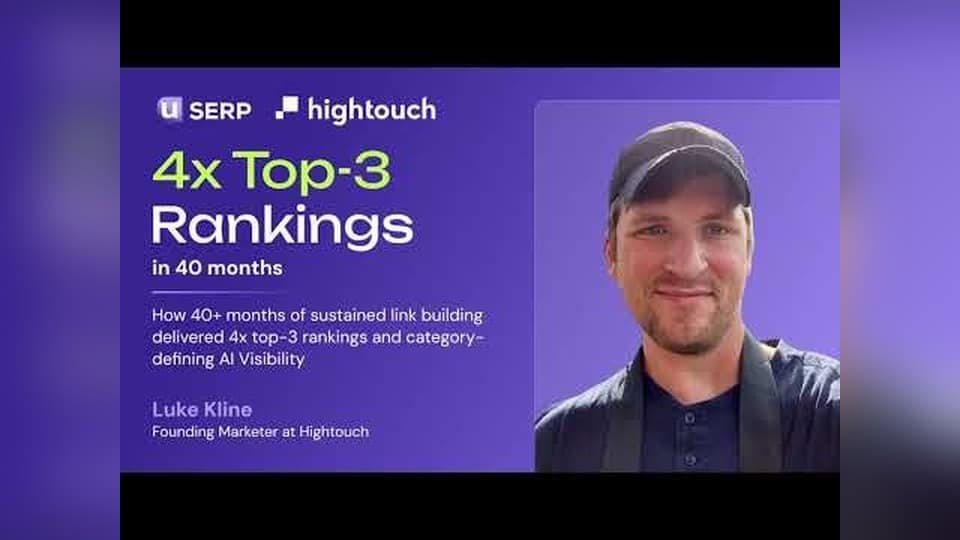
The key to a strong relationship with any SEO agency is ensuring your content strategy is in alignment with your backlink strategy, and that has been critical to our success with uSERP. We can move at a much faster velocity.
Luke KlineFounding Marketer, Hightouch

Page reviewed by Gordon Meagher, VP of SEO Strategy · Last reviewed October 2026 · Figures are from published uSERP case studies and the sources cited on this page.

Questions healthcare buyers ask

Before you request a proposal

About healthcare GEO, AEO, and AI search agencies

What is a healthcare GEO agency?
A healthcare GEO agency (generative engine optimization) helps a healthcare brand appear in the answers generated by AI systems such as ChatGPT, Google AI Mode and AI Overviews, Gemini, and Claude when patients and healthcare buyers ask about conditions, treatments, providers, or vendors. The work covers which brands get named, which health sources get cited, and how the care or product is described, inside the medical review and compliance constraints healthcare content lives with. uSERP delivers healthcare GEO as part of a managed SEO and AI search program rather than as a standalone add-on.
What does a healthcare GEO agency actually do, and what services should I expect?
Expect prompt and topic research by condition, treatment, and buyer across agreed platforms; analysis of the brands named and the sources cited; improvements to treatment, eligibility, cost, and comparison pages with medical review built in; editorial links and source placements on health publishers and directories; scoped technical and entity fixes including medical schema; and reporting that separates observed visibility from appointments and pipeline. If an agency only offers a monitoring dashboard or a schema package, that is a tool, not a program.
What is the difference between a healthcare AEO agency and a healthcare GEO agency?
AEO (answer engine optimization) focuses on getting a patient's or buyer's specific question answered with your evidence, especially in Google AI Overviews and featured results. GEO is broader and covers brand recommendations across generative platforms. In practice the work overlaps almost entirely, which is why uSERP runs both under one strategy and one medical review workflow.
How is AI search different for healthcare than for other industries?
Three ways. Healthcare has the highest AI Overview coverage of any category, 89% of healthcare keywords and 100% of treatment and procedure queries by December 2025 (BrightEdge). Google and the AI engines apply YMYL scrutiny, so credentials, review, and authority decide what gets cited. And a misdescription matters more: an answer that misstates your prescribing, pricing, or eligibility is a compliance issue, which is why we track how you are described, not only whether you are named.
Do we need a separate healthcare GEO agency, or can our SEO agency do it?
You should not need two vendors. The sources AI systems cite for health questions are largely the same publishers, directories, and reviewed pages strong healthcare SEO already targets. Hire one agency that can show AI search results from a real program, explain how those results were measured, run the SEO foundation underneath them, and handle medical review. A separate GEO agency layered on top of an SEO agency usually produces two roadmaps competing for the same treatment pages.
How much does a healthcare GEO or AEO agency cost per month?
Published offers range from a few thousand dollars for monitoring and advisory work to $20,000 or more for enterprise programs. uSERP's managed healthcare SEO and AI search programs run from $5,000 to $50,000 per month depending on size and scope: service lines, locations, brands, review load, and the authority needed to be cited in your category. A detailed AI visibility audit or roadmap is separately scoped when a deeper investigation should come first.
How does an agency measure healthcare GEO performance, and what KPIs should it be accountable to?
Four levels: business outcomes (appointment requests, consults, qualified leads, pipeline, revenue where tracking supports it), acquisition and conversion (identifiable AI referral visits and priority-page conversions), observed visibility (mentions, recommendations, citations, and descriptions across an agreed prompt set, plus relevant organic rankings), and delivery (what shipped, what cleared review, what is blocked). Be cautious of any agency reporting visibility alone as proof of appointments or revenue, and of any agency that does not address healthcare tracking limits.
How do I choose the right healthcare GEO agency?
Ask for a public AI search case study with dates and a defined prompt set. Ask how they separate a mention from a citation from a visit. Ask who reviews clinical content and how regulated claims are handled. Ask what happens when an AI answer describes you incorrectly. Ask who owns implementation and who the senior lead is. An agency that cannot answer those in plain language is selling the category, not the work.
Can we do healthcare AEO or GEO in-house, or with tools?
Tools show you where you appear. They do not write the eligibility page you are missing, get it through medical review, earn the placement in the medically reviewed roundup that gets cited, or decide the order of work. If your team already has senior SEO strategy, clinical writers, and outreach capacity, tools may be enough. Most healthcare marketing teams have one of those, and that gap is what an agency fills.

Working with uSERP

What if we have no AI search visibility today?
We first check whether the prompt sample represents your patients or buyers and whether your important pages are accessible and readable. Then we compare your content, entity data, and third-party presence with the sources appearing in those answers. A low baseline helps identify the work; it does not mean the same fix applies to every healthcare business.
Can you guarantee that ChatGPT or Google will recommend us?
No. AI platforms control their answers, and responses change. We commit to the agreed research, execution, review workflow, and reporting, with a strategy designed to improve your opportunity to be named and cited for relevant patient and buyer questions.
How do you handle medical accuracy and compliance in AI search work?
Clinical content is reviewed before it publishes, by your clinical or medical affairs team or by a credentialed reviewer we bring in and name on the page. Claims and brand guardrails are documented with your compliance lead before production. When an AI answer misstates your offer, we trace the source, update owned information and entity data, and pursue corrections on third-party sources where possible. We never need access to PHI, and we sign a BAA where your counsel requires one. This describes our process, not a compliance certification.
Does uSERP handle Google AI Overviews and AI Mode as well as ChatGPT, Gemini, and Claude?
Yes. We map prompts across the platforms we agree on together and add others where your patients or buyers use them. Google's generative features draw on the same content, review, and authority signals as its classic results, which is why we run one program rather than a platform-by-platform checklist.
Do we need content, links, or both?
The diagnosis determines the mix. Strong, reviewed treatment pages may need authority on the sources the answers cite. Other sites need better eligibility, cost, and comparison content before more outreach makes sense. We show you the reason for the scope we recommend.
Which healthcare segments do you work with?
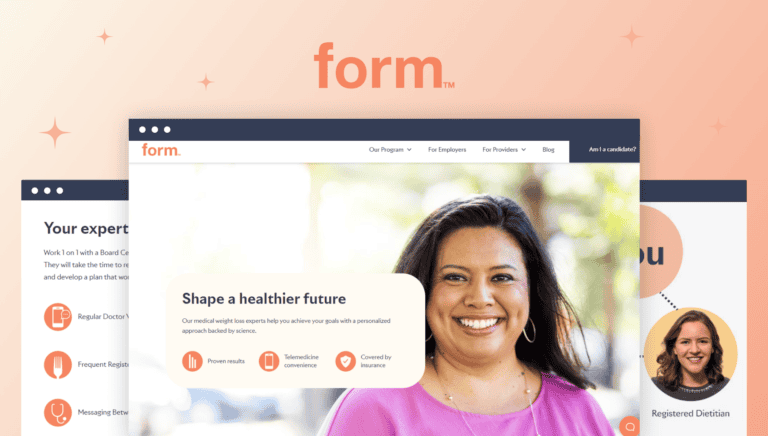
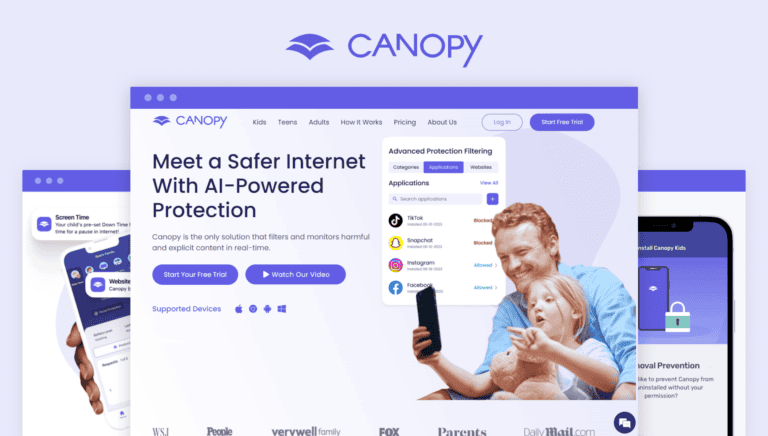
Telehealth and DTC health, provider groups and multi-location care, digital health and health tech, medical staffing and healthcare services, medtech and pharma marketing teams, and payers. Our published healthcare case studies are Henry Meds (telehealth), Form Health (medical weight loss), and Canopy, and our published AI search case study is a B2B SaaS company, labeled as such on this page.
Can you work with our existing SEO team, clinical reviewers, writers, or agencies?
Yes. The proposal makes ownership clear so there is a practical path from recommendation through review to implementation. If what you mainly need is senior leadership across vendors you already have, our Fractional Head of SEO service may be the better fit.
How soon should we expect results?
Research and delivery begin in the first month. Meaningful movement in AI visibility and rankings often shows inside the first quarter; appointments and pipeline follow your intake or sales cycle, and medical review adds time to content timelines. We agree milestones and evaluate progress against the baseline rather than promising a ranking or revenue result by a fixed date.
What does healthcare AEO and GEO reporting from uSERP include?
Weekly delivery updates, a monthly performance review, and a quarterly strategy reassessment. Reports keep the prompt sample, platforms, date range, and metric definitions visible, show how you are described as well as whether you are named, and separate recorded CRM or practice management outcomes from tool-estimated visibility.

Proposal request

Find the AI search opportunities in healthcare worth investing in.

Tell us what you treat or sell, who chooses it, and where your current program is falling short in Google and AI answers. We will discuss fit, priorities, and the scope needed to address them, then outline the proposed work and investment.

  • A conversation about fit, priorities, and scope first, with your AI visibility reviewed before the call
  • Managed programs run from $5,000 to $50,000 a month depending on size and scope; an AI visibility audit or roadmap is separately scoped when needed
  • Target areas, deliverables, review workflow, reporting plan, and investment in writing before you sign
Start here
Tell us about your priority pages
2 min

Reviewed by a person. A senior strategist replies within one business day.