





A well-run blog can bring more visitors to your website and put you in front of people who might become customers. That’s why blogging sits at the center of so many digital marketing plans, and why using the right techniques matters.
In this article, we’ll explain how to build a blog strategy that attracts relevant traffic and leads in 2026.
We’ll start with why blog content marketing matters, then cover content planning, promotion, and performance measurement.
Highlights
- Build your blog strategy around audience needs and business goals. Use customer research to choose topics, then organize them into pillar pages and topic clusters that support the buyer journey.
- Creating great content isn’t enough — distribution plays a key role in brand visibility. Promote blog posts through email, repurposed content, link building, and brand partnerships to increase visibility and drive relevant traffic.
- Let AI assist your content strategy, but keep your people in charge of the thinking. It can speed up research, spark topic ideas, spot content gaps, draft briefs, and flag posts that need updating. What it can’t supply is your own original insight, input from real experts, careful fact-checking, or a voice readers recognize as yours. That’s what makes a blog worth reading.
- Measure whether your blog contributes to business growth. Track visibility, traffic, engagement, conversions, pipeline, and revenue. Then use blog performance data to decide what to create, update, or improve.
Why use blog content marketing?
Blog content marketing offers many benefits, but many companies’ primary goal is to put their brand in front of more leads. It also helps them nurture their existing audience and drive more sales.
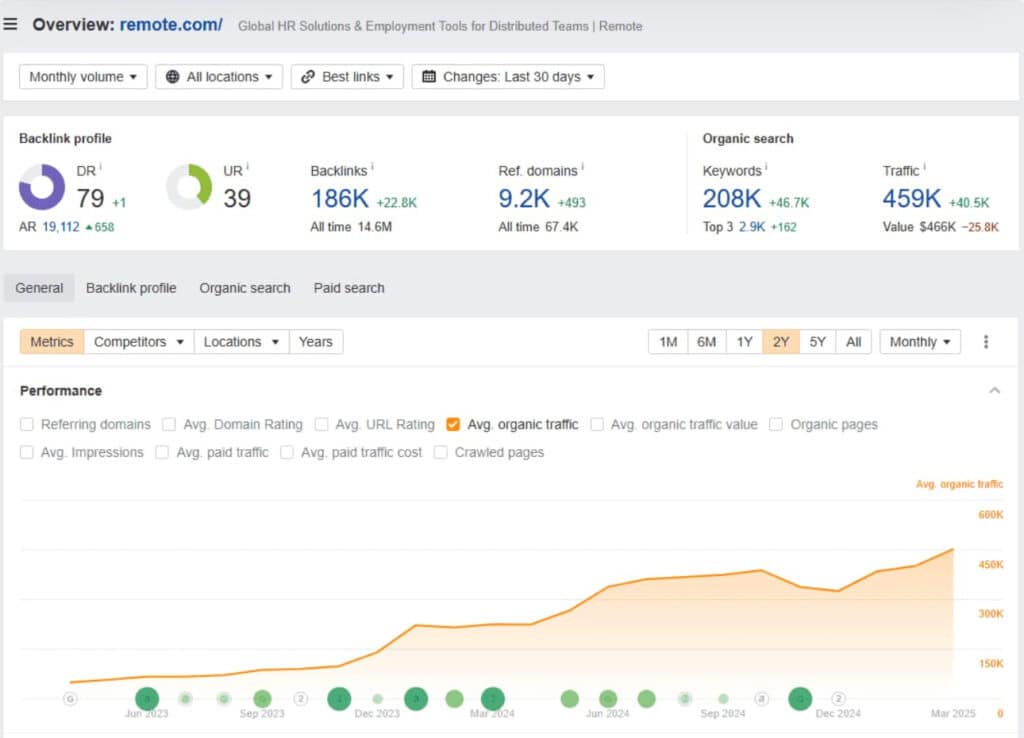
More closely, blog content marketing helps businesses reach these goals by bringing more visitors to the website, mainly through search engine optimization (SEO).
A solid content marketing strategy means publishing quality blog posts on a steady schedule. Each post gives you a chance to target more keywords, which brings more traffic to your site.
Regular publishing also gives prospective buyers something useful to read. Over time, that builds trust and establishes your authority in your space.
Why most blog strategies don’t deliver ROI
A blog strategy may fail to deliver ROI when content creation isn’t based on real audience or customer needs. Topics may bring in traffic without connecting to the product, buyer journey, or content marketing goals.
Publishing posts without meaningful distribution or link building can also limit reach.
But traffic alone isn’t enough to generate ROI. Without a clear path from reader to lead or customer, even high-traffic posts may do little for business growth.
Finally, measuring page views and rankings alone can make a blog look successful. But it doesn’t show whether it drives conversions, pipeline, or revenue.
Building a blog content strategy that works in 2026
Here’s how to build an effective content strategy in 2026:
Start with audience research (not keyword research)
Research your audience deeply. Rather than starting with third-party insights, go straight to the source. Review customer support tickets, recordings from internal sales calls, and data from custom forms and surveys.
After you’ve uncovered their most frequent questions, pain points, and needs, use those insights to guide your keyword research and content topics. For example, if customers often ask how to solve a specific problem, create a step-by-step guide that walks them through the solution.
Topic clusters and pillar pages: The strategic foundation
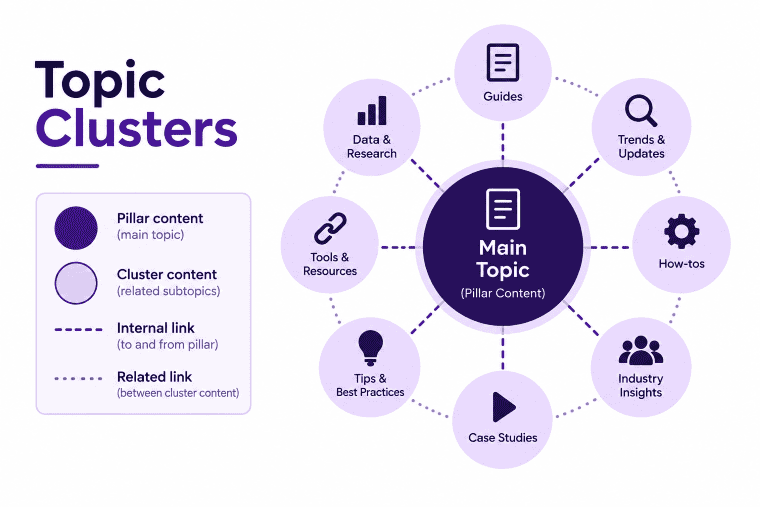
Create topic clusters that align with your brand’s value proposition and the insights you uncovered in your audience research.
Pillar content covers the main ideas behind your topic or brand. If you offer SEO content writing services, for instance, your pillar topics might be “What is SEO?” or “7 Benefits of Content Writing.”
Covering basic topics at the top of the funnel gives you a foundation to link back to when you write about more advanced subjects later in the buying journey. Readers who need a refresher or a clearer explanation can find it right on your site, without having to look elsewhere.
From there, build cluster content around related subtopics that explore specific questions and ideas in more depth.
Probably most important: this allows you to create a strong internal linking structure — with pillar content strategically linking to and from your cluster content.
Here’s a visual example:
(Image Provided by Ioana)
Target long-tail keywords
Pillar content lays the foundation for more niche blog content campaigns, where long-tail keywords come into play.
If long tail keywords are new to you, they are search queries that read more like full phrases than single words. They also tend to have lower keyword difficulty than shorter, simpler terms, which makes them an easy place to start.

Screenshot provided by the author
Long-tail keywords also tend to line up more closely with what a searcher wants, since they are so specific. Targeting these higher-intent phrases brings in visitors who are more likely to be relevant to your business.
Content calendar: Publishing cadence and planning
An editorial calendar turns your content plan into a clear publishing schedule. It helps you decide what to publish, when to publish it, and how each piece supports your wider strategy.
Set a realistic publishing cadence and plan new content around audience needs, business priorities, seasonal opportunities, and important product or industry developments.
Also review your calendar regularly to keep priorities clear, spot gaps, and make sure your content stays aligned with your overall strategy.
Effective blog content formats and when to use each
Different content types serve different purposes.
Pick the format that suits your topic, your audience, and what searchers are looking for. The right match improves your odds of ranking in search results and of being mentioned or cited in AI search.
Long-form guides: When depth wins
Long-form guides cover a blog topic in depth. Use them for complex or competitive topics that need more explanation. They can also serve as pillar content that supports related posts and helps your content rank in search engine results.
Tactical and how-to posts: When speed matters
Tactical and how-to posts give readers practical steps to solve a specific problem. Use them for content ideas or potential blog topics that address specific pain points or show readers how to complete a task themselves.

Data-driven and research content: The authority builder
Data-driven content uses original research, surveys, industry data, or analysis to provide insights readers can’t easily find elsewhere. Use it to build authority, earn backlinks, and create unique content that other sites will want to reference.
Opinion, results, and thought leadership: The differentiation play
Feature the CEOs, managers, and team members who know your product or service best and have a strong opinion on a relevant topic. It’s a great way to bring some originality to your blog posts.
This adds a fresh perspective and gives your site content readers can’t find elsewhere. It also gives the people you feature a real sense of pride, since everyone likes having their voice heard. Many will share their articles on LinkedIn and other social platforms, which extends your reach.
Most of your team probably aren’t writers, so the easiest way to draft their articles is to build them from a Q&A. Interview the expert about their ideas, then shape those answers into a post. Send it back for review to make sure it captures what they meant and is ready to publish.
This approach takes fewer rounds of edits than asking a non-writer to produce a full article on their own.
Publish guest posts from industry thought leaders

Bringing outside voices onto your blog is a smart way to stand out. Articles from respected people in your field show readers a viewpoint your own team can’t offer, and having their names on your site lends your brand some of their credibility.
Start with the companies you already work with. Partners in your sales or marketing efforts often have experts who would be glad to contribute, and we’ll look at those partnerships further down.
LinkedIn is another source. Message people whose work you admire and offer them space on your blog. If they don’t know you yet, explain who reads your blog and roughly how many visitors you get each month, so they can judge whether writing for you is worth their time.
Feature case studies
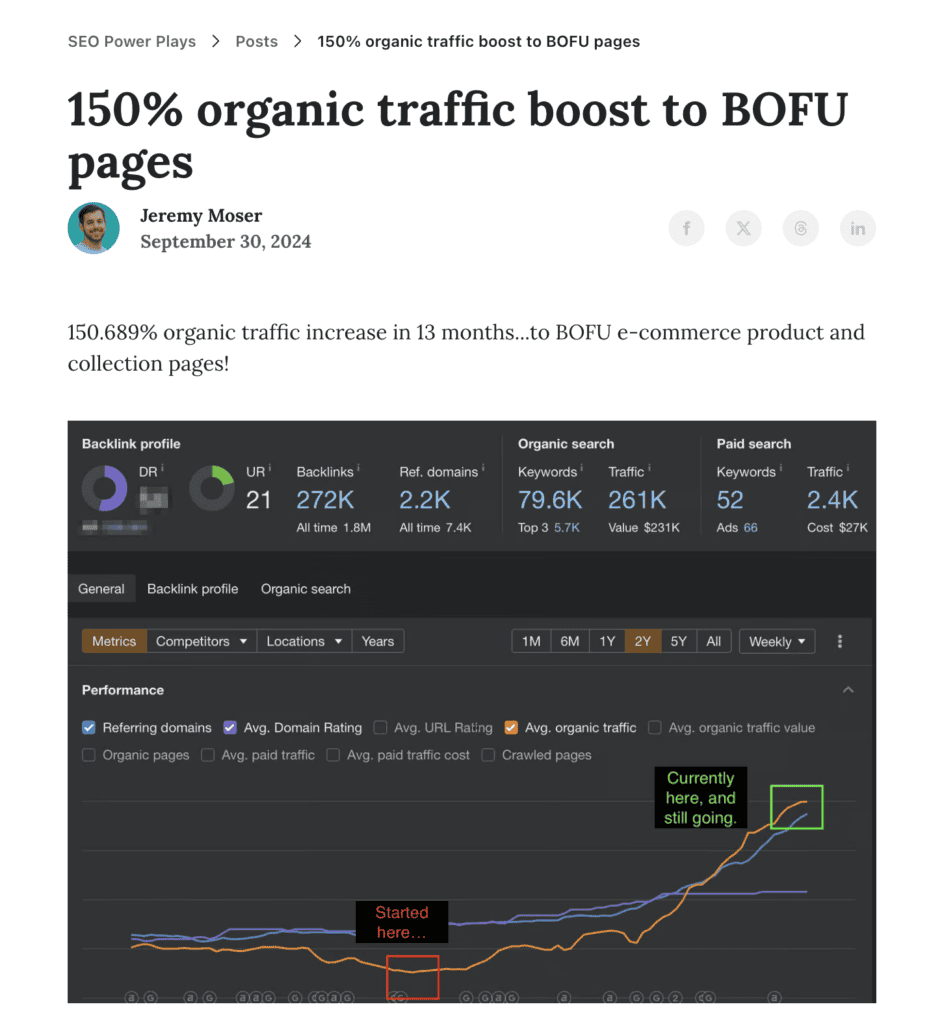
Customers trust what other customers say, which is why social proof matters so much in marketing. If you run a SaaS or service-based business, case studies with proof of performance are a must, and your blog is the ideal place to show in detail what you’ve done for your clients.
Numbers usually take center stage in a case study, but a blog post gives you room to tell the whole story. You can explain why the client picked you, how they put your software or services to work, and what changed for them along the way. A few direct quotes from the customer add weight, too.
An interview format works well here, just as it does for team spotlights. Clients who are featured tend to share the finished piece with their own network, which brings new readers to your site and grows your organic traffic.
Stay on top of the competition
Staying ahead of your rivals is another piece of a strong blog marketing plan. Your blog should cover everything theirs does, then go a step further.
If you haven’t yet, pick out a few competitors, both direct and indirect. Read through their posts and note what works well and where they come up short. Borrow the approaches that are earning them readers, and fill in the topics they’ve missed.
Competitor sites are a fine source of inspiration, but keep your own voice. Never lift their wording, and if an idea clearly came from someone else, give them credit.
Blog promotion strategies that drive real traffic
After you’ve developed a blog marketing strategy, published expert articles, and interlinked them to create clusters, it’s time to promote your content.
Here are some ways to drum up brand awareness and visibility with your blog posts:
Email newsletter distribution
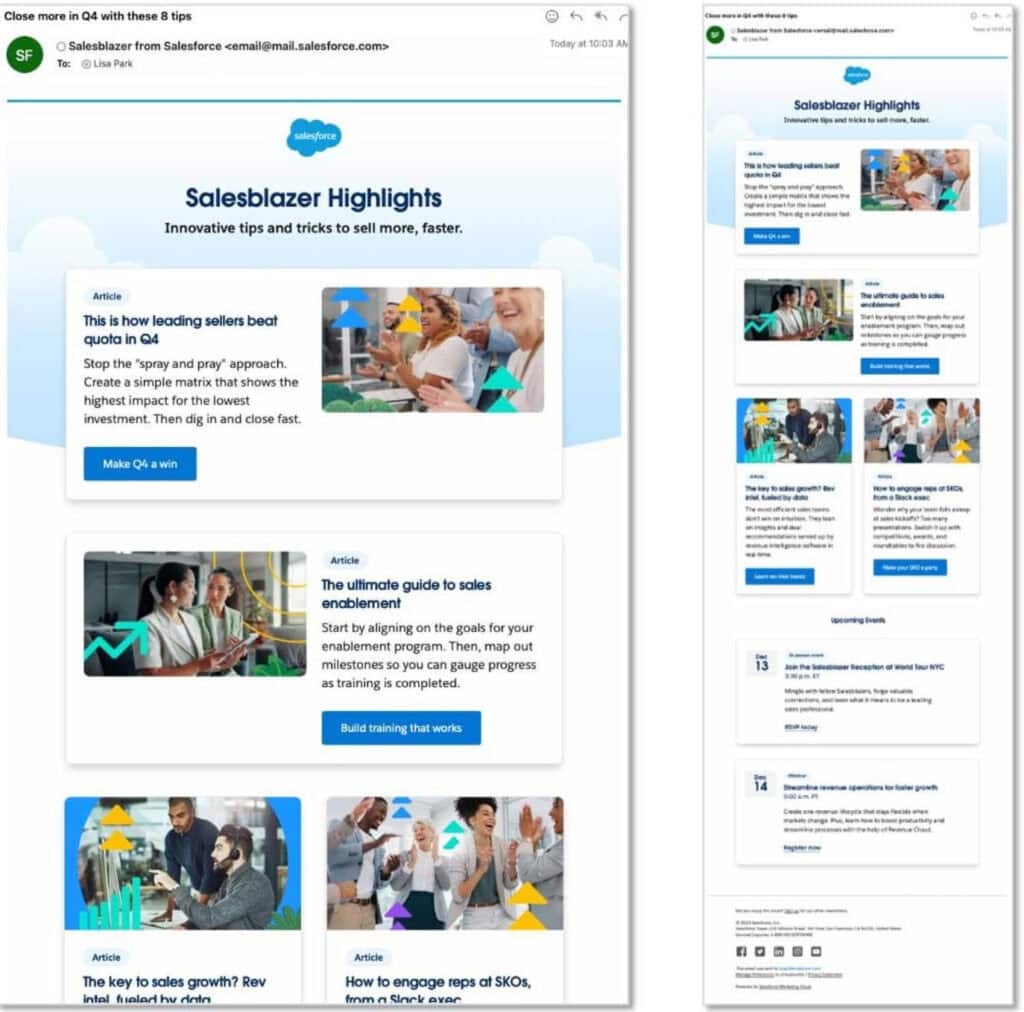
Don’t rely on search engines to bring readers to every new article. Promote your latest content directly to the audience you’ve already built through your email newsletter.
Instead of simply dropping a link into an email, give subscribers a reason to click. Pull out an interesting insight, statistic, or takeaway from the article, then link to the full piece for readers who want to learn more.
You can also resurface older articles when they’re relevant to a current topic, product launch, industry trend, or common customer question. This helps extend your content’s lifespan while driving repeat traffic to your blog.
Content repurposing across formats
Repurposing blog content for other platforms is another effective marketing strategy.
You can repurpose the materials you’ve created for your blog as:
- Social media posts (for LinkedIn, X, Facebook, etc.)
- Videos (long-form or series of short-form videos)
- Email marketing/newsletters to your email list
- Podcasts and vodcasts
Reusing pieces of your existing blog posts saves time and gets more value from the work you’ve already done. It also keeps your message and your readers’ experience consistent everywhere your brand shows up online.
Each platform needs its own format and style, though. Social channels favor different kinds of media, so plan for that up front. A ten-minute explainer video might suit YouTube, while a carousel of infographics could do better on Instagram.
Ad partnerships
Beyond adapting content for different platforms, brands can also explore partnership ads—a strategy where influencers or collaborators create content that gets amplified through paid ad promotions.
This can extend the lifespan and reach of high-performing content and help it resonate with a broader, targeted audience.
Link building for blog content
One of the primary purposes of blog content marketing is to boost website traffic through SEO. With that in mind, take a holistic approach to optimizing your website. You should also invest in link building for your blog.
Link building means earning backlinks from relevant websites with high-quality domains. Backlink anchor text should naturally describe the linked page and provide context for readers.
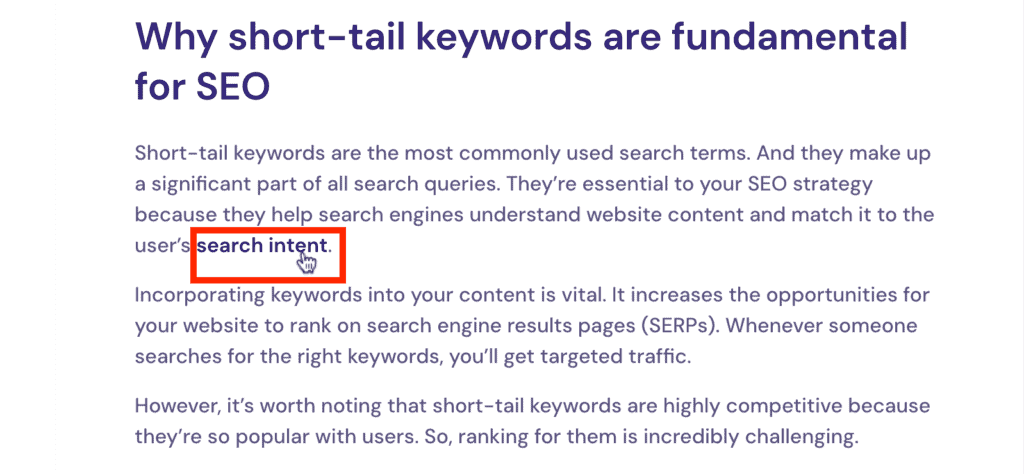
You have two ways to go about link building. You can handle it yourself by pitching other content marketers and publishers directly, or you can hire a link-building service to secure placements for you.
Collaborate with adjacent brands
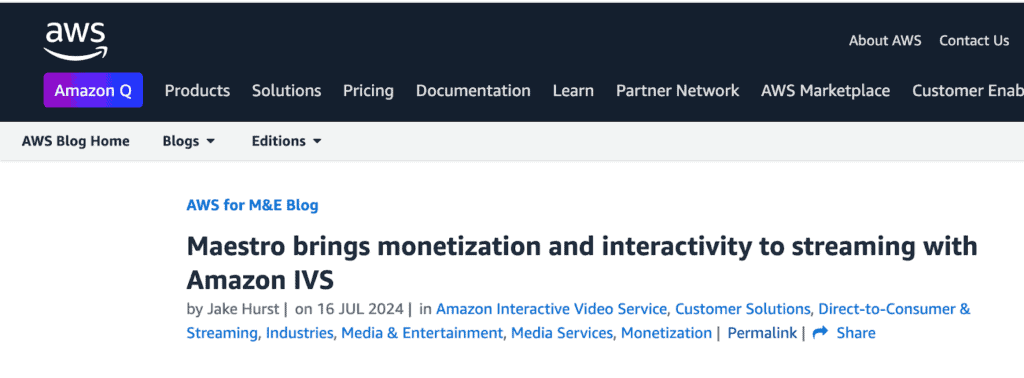
Co-selling and co-marketing partnerships can put you in front of more leads through referrals, and your blog is a good place to showcase them.
You can feature these partnerships with:
- Guest posts to highlight the partnerships
- Press release-style blog posts
- Integration tutorials
- Company profiles
- White papers
Beyond opening doors to new opportunities, partnerships with established brands can help strengthen your brand’s credibility.
AI and blog content strategy: What’s changed
AI’s role in blog content has expanded beyond generating rough drafts.
Content teams can now use AI throughout the strategy process — from analyzing audience and keyword data to identifying content gaps, building topic clusters, creating briefs, and finding opportunities to update existing content.
At the same time, the rise of AI-generated content has made originality and human expertise more important. Publishing more content faster is no longer enough. To stand out, brands need original insights, expert input, and content grounded in real audience needs.
Here’s where AI can help — and where it can’t replace human expertise:
Where AI helps (and where it doesn’t)
AI shouldn’t replace real writers, but it can help them create original, valuable blog content.
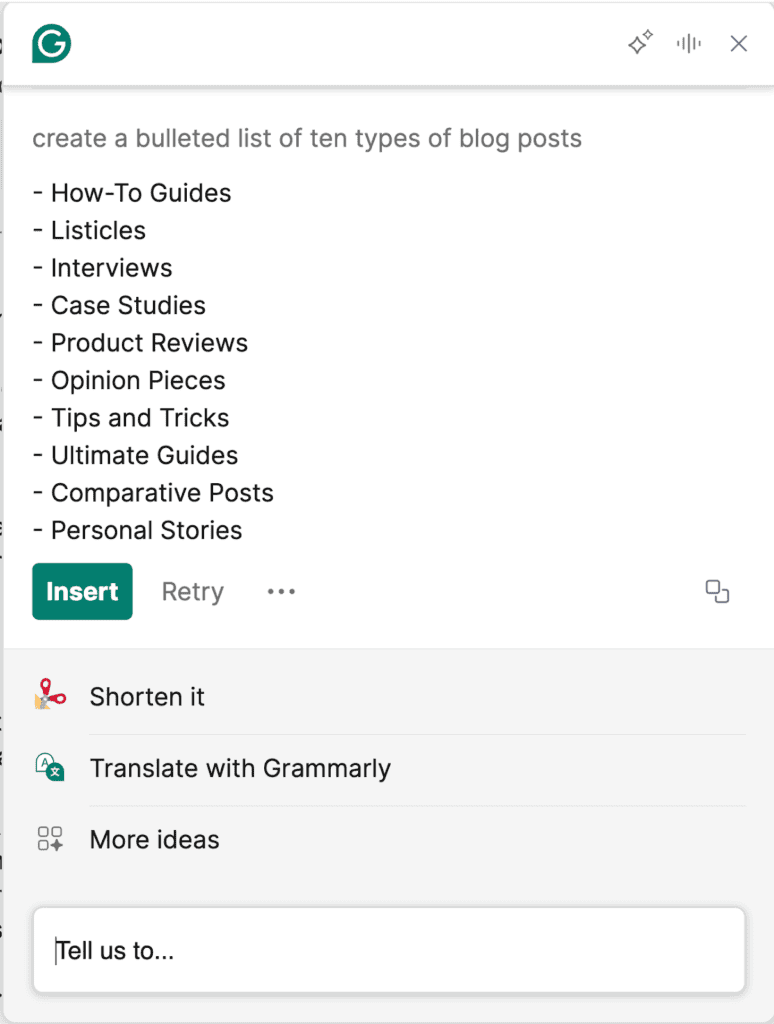
Screenshot provided by the author
AI can help you brainstorm post topics, build article outlines, and dig into research, which fits with how more small businesses are adopting AI-driven workflows. Be sure to read everything it produces and edit it so the final piece says what you actually mean.
Sometimes, AI can misinterpret data from other sources and generate false information. Fact-check any data gathered from generative AI to ensure it’s accurate.
Maintaining quality and originality in an AI era
Originality should sit at the heart of your blog content strategy. Copying someone else’s work or borrowing their ideas without credit produces weak content that neither wins over readers nor ranks well.
This is especially important when many website owners use generative AI to publish content in bulk. AI-generated content isn’t always flagged as plagiarism. However, AI-generated content can easily repeat information and ideas that already exist elsewhere.
Only a real human writer can add the special touch your blog needs to keep it from becoming a regurgitation of other work.
Keeping your brand voice consistent
As your blog grows, more writers will likely contribute, and each one brings a different style. Without structure, your site’s voice and tone can start to feel scattered. The fix is to put a few simple systems in place.
Start with a brand style guide that tells writers how to capture your voice and tone. Describe how your brand should come across and how you want people to feel when they encounter it. Include words and phrases that connect with your ideal customer, along with a list of terms to avoid.
If your budget allows, bring in an editor to keep things uniform from one post to the next. Beyond catching grammar mistakes, an editor can ensure every article follows your brand guidelines.

Image created by the author
Measuring your blog content marketing strategy
Track blog performance across visibility, traffic, engagement, conversions, and business impact. This helps you understand what’s working, where readers drop off, and which posts contribute to leads and revenue.
Use this measurement framework to evaluate performance:
Blog content marketing measurement framework
| Goal | Metrics to track | What it tells you |
| Visibility | Search impressions, keyword rankings, backlinks | How often people can discover your content |
| Traffic | Organic users, sessions, landing page views | How many people your blog attracts |
| Engagement | Engaged sessions, engagement rate, average engagement time | Whether visitors interact with your content |
| Conversions | Key events, form submissions, newsletter signups, demo requests | Whether readers take meaningful next steps |
| Business impact | Qualified leads, pipeline generated/influenced, revenue | Whether blog content contributes to business growth |
Make content refreshes a core part of your content marketing plan
Refreshing old content with new information is essential to keep it relevant. This benefits your target audience by ensuring they have the most up-to-date information, and it also appeals to search engines, which can help you rank your content.
Beyond adding fresh information, look for keywords that are already driving traffic even though you never aimed for them. Say your post is about blog monetization and it starts ranking for affiliate marketing terms. If the post has no section on affiliate marketing, adding one makes sense.
Your past results can also steer what you publish next. Check which articles rank well in the SERPs, get cited or mentioned in AI search, and lead to the conversions you want. Then build future content around similar topics, formats, and approaches.
Your blog is an asset — build it like one
Content marketers can use many blog content marketing strategies to amplify their blog efforts and reach potential customers.
Whether you’re starting a blog from scratch or expanding an established one, long-term results depend on connecting quality content with consistent distribution and promotion.
Link building supports that effort by helping relevant audiences discover your content. If you need support securing backlinks from relevant websites, explore uSERP’s link-building services.
FAQs about blog strategy
What is a blog strategy for content marketing?
A blog strategy for content marketing is a plan to create and promote content that supports your audience’s needs and business goals. It covers topics, formats, publishing, distribution, and how content on your blog helps turn readers into customers.
How often should you publish blog content?
You can publish blog content as often as you can maintain quality and consistency. There’s no ideal publishing frequency for every business. Focus on a cadence you can sustain without sacrificing quality.
How do I grow a blog with content marketing?
You can grow a blog with content marketing by creating valuable content that resonates with your audience and targeting relevant topics.
Also, promote your blog through relevant channels, share your content, build internal and external links, and update existing content to keep it useful and relevant.
How can you use AI in your blog content strategy?
You can use AI to research topics, organize ideas, identify content gaps, and speed up content creation. It can also help with content audits and generating content ideas. Use AI to support your strategy, not replace original insights, expert input, or human review.
How does E-E-A-T fit into a successful blog strategy?
E-E-A-T helps a successful blog content strategy demonstrate experience, expertise, authority, and trust. Whether creating a new blog or improving an existing one, show who created the content, use credible sources, include first-hand insights, and keep information accurate and up to date.
How do you create a successful blog?
To create a successful blog, start by defining your audience, goals, and value proposition. Then organize your content around topics that support your business goals and SEO strategy. A successful blogging strategy should also include a plan to publish content regularly and measure performance over time.
How do you find blog post ideas for a B2B blog?
To find blog post ideas for a B2B blog, look at customer questions, sales calls, support tickets, keyword research, and competitor content.
Before creating a new blog post, define your blog topic. Make sure it addresses a genuine audience need and contributes to your wider strategy before you execute the content.
How do you optimize content for search engines?
To optimize content for search engines, review the search engine results page for your target keyword and identify the search intent behind it. Then create content that answers the query thoroughly. Look for opportunities to provide better content than existing results through original insights, examples, research, or expert input.
What makes a strong content piece?
A strong content piece solves a specific problem or answers an important question for your audience. Before creating a piece of content, define your blog goals and consider how the topic supports them.
After publishing, use blog promotion strategies such as email distribution, social media, partnerships, and link building to help more people reach your content.