




PPC marketing gives local companies a fast way to show up exactly when customers are searching. Instead of waiting months for rankings, your business can appear at the top of search results today. That speed matters in the digital age, where buyers expect instant answers.
But PPC marketing for local businesses isn’t the same as running national campaigns. You’re targeting a tight service area. You care about actions that tie to revenue. Phone calls, store visits, and booked appointments. Not random clicks from across the country.
Done right, PPC marketing delivers high-intent, targeted traffic. Someone searching “emergency plumber near me” isn’t just browsing. They’re ready to act.
And that’s where real ROI happens.
In this guide, we’ll walk through how to build a PPC marketing strategy for local businesses that targets nearby buyers, reduces wasted ad spend, and connects campaign performance to real ROI.
Highlights
- PPC marketing helps local businesses capture high-intent local search traffic fast.
- Strong campaign goals and conversion tracking increase ROI.
- Smart keyword targeting and negative keywords reduce wasted ad spend.
- Optimized landing pages and ad extensions drive more phone calls and store visits.
Why PPC marketing matters for local businesses in 2026
Local search behavior is growing. More customers are using mobile devices to find nearby services. In fact, according to SOAX, mobile devices are responsible for nearly 65% of global web traffic. This has changed how people buy. They search, compare, and call within minutes.
PPC advertising gives you immediate visibility in those moments. While search engine optimization takes time, Google search campaigns can start generating leads within days. And while there are several online advertising methods available today, few offer the same level of intent targeting and speed as search-based PPC.
Many local markets are still under-optimized. Not every plumber or dentist invests in professional PPC management. Some run ads casually. Others avoid it altogether. That gap creates an opportunity for businesses willing to take it seriously.
But PPC marketing isn’t just about quick wins.
Strong search engine marketing builds data over time. You see which services generate the highest conversion rates, what your local audience responds to, and how click costs behave across geographic locations.
PPC vs. SEO for local businesses
PPC and SEO both drive growth. They just move at different speeds.
Local SEO builds authority slowly. Through content marketing, local search optimization, and consistent signals, your rankings improve over months.
PPC marketing works faster. Pay-per-click marketing puts you at the top while organic visibility develops underneath.
If you’re launching a new service or expanding into new neighborhoods, PPC should usually come first. It delivers immediate feedback.
For example, a pool-building company targets high-income ZIP codes with PPC ads. Within weeks, campaign stats show which areas drive the strongest conversion rates. That data then shapes their search engine optimization plan. They can then focus their organic efforts on the highest-performing locations.
That is the real advantage of PPC for local businesses: it does not just generate leads. It also shows where demand, competition, and profitability are strongest.
The step-by-step framework for profitable local PPC
Here are seven steps to building a PPC marketing strategy for local businesses.
Step 1: Define clear local PPC goals and ROI benchmarks
Before you launch any PPC campaigns, you need one thing: Clarity.
Clicks aren’t the goal. Neither is traffic. But revenue is.
For most service-based industries, revenue starts with actions such as phone calls, booked appointments, form submissions, or store visits. Those are the signals that someone is moving closer to becoming a customer. Everything else is noise.
This is where many local businesses go wrong. They focus on impressions or cost per click. But if those clicks don’t turn into paying customers, none of it matters.
Start by calculating your customer lifetime value (CLV).

Customer lifetime value tells you how much a new customer is worth over time. The formula above shows a common way to calculate it, especially for recurring or repeat-service businesses.
In simple terms, you’re estimating how much revenue a customer generates, how profitable that revenue is, and how long they typically stay with you.
So ask yourself: how much is a new customer actually worth?
If an HVAC customer brings in $3,000 across multiple visits, your bidding strategy should look very different than if you’re selling a one-time $50 service. A higher lifetime value gives you more room to compete aggressively in PPC marketing.
Once you know your CLV, define your target cost per acquisition (CPA) and your break-even ROAS. These numbers act as guardrails. They protect your margins and ensure PPC marketing supports growth rather than quietly draining your budget.
How to calculate target CPA for local businesses
The formula is simple:
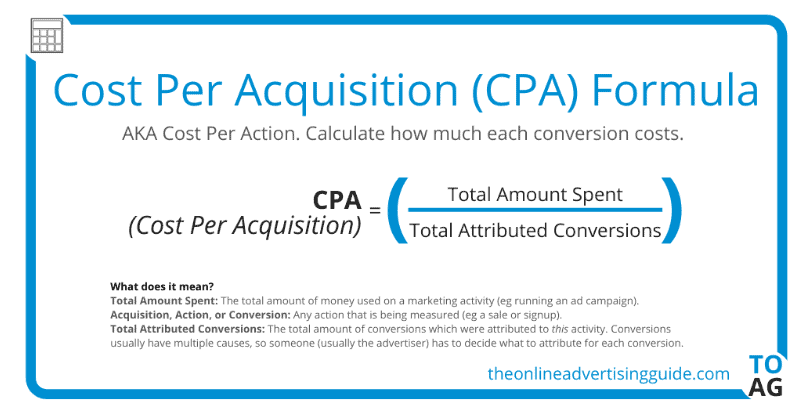
This means that if you spend $3,000 on PPC campaigns and generate 10 new customers, your CPA is $300.
That number tells you whether your PPC marketing is profitable. If your customer lifetime value exceeds $300, you’re in a healthy range. If it’s lower, your ad spend needs to be adjusted.
Step 2: Conduct local-focused keyword research
Keyword research for local PPC starts with search intent.
You’re not trying to reach everyone. But you’re trying to reach the right people. The ones who are ready to buy.
That means you have to focus on commercial searches.
Use Google Keyword Planner and Google Trends to find local keywords tied to services you offer. Pay attention to geographic words. (Think cities, zip codes, and neighborhoods). People often search in very specific ways.

Screenshot provided by the author
While platforms like Facebook help build awareness, search campaigns capture people who are actively looking for help right now. That difference is the gap between visibility and immediate demand.
Keyword types for PPC marketing for local businesses
Most local campaigns rely on four core keyword types.
- Emergency keywords. These include words such as “24/7,” “same-day,” and “urgent.” These searches usually convert well because the need is immediate.
- Competitor brand searches. Bidding on competitor names can help you win market share if done carefully.
- City + service keywords. “Dallas HVAC repair” is an example. These are direct and highly targeted.
- “Near me” searches. These show strong local search intent. The user wants something close and fast.
For example, a roofing company might target “roof repair Austin” and “storm damage roofing near me.” These terms drive targeted traffic and often lead to high conversion rates. In fact, BrightLocal notes that nearly 46% of consumers always or often include “near me” when searching for local services.

Negative keywords to protect your budget
Negative keywords prevent your ads from appearing in the wrong searches.
Filter out:
- Irrelevant service areas
- Informational queries
- DIY tutorials
- Job seekers
For example, let’s say you own a Boba shop and are running catering ads. These ads should exclude searches like “how to make boba at home.” That traffic may click, but it won’t buy.
Smart filtering improves quality score and helps lower click costs over time.
Step 3: Structure campaigns by location and service
Structure affects performance more than most people realize.
If your account feels messy, results usually are too.
Don’t lump everything together. Plumbing and electrical services shouldn’t be in the same ad groups. They solve different problems and use different keywords.
The same goes for location.
If you serve multiple cities or neighborhoods, separate them. Demand isn’t equal everywhere. Neither is competition.
When you structure campaigns by service and by geographical locations, your ads become more relevant.
Profit margin matters too.
If one service brings in double the profit, it shouldn’t receive the same budget as a lower-margin offering.
This structure also makes it easier to spot what’s working and what isn’t. If one city or service starts producing expensive leads, you can fix that campaign without touching the ones that are performing well. That way, your budget decisions are based on real local performance, not averages that hide what’s actually going on.
Advanced geo-targeting techniques
Local business PPC works best when it’s precise.
Start with radius targeting around your physical office or service hub. Then narrow further. Zip code targeting helps you focus on high-value neighborhoods. Some areas convert better. Others drain the budget.
You can also use geo-fencing strategies to reach people near competitor locations or local events. That’s especially useful in competitive markets.

For example, a home services company might increase bids within five miles of its warehouse because faster response times can make those leads easier to convert. At the same time, they can lower bids in outer areas where leads rarely close.
Small geographic adjustments can make a big difference.
When you remove low-performing regions, you stop wasting ad spend. And that gives your best locations more room to perform.
Step 4: Create high-converting ad copy for local intent
Your ad copy must reflect local intent.
If someone types “emergency plumber near me,” your ad should feel like the answer.
Use the city name in your headline when possible. And speak the way locals speak. Local jargon can help if it feels natural.
You can mention certifications and customer reviews. These details build trust fast.
And be direct.
Include clear call-to-action phrases.
“Call now.” Or “Book same-day service.” Or “Get a free estimate.”
They tell the user exactly what to do next.
These CTAs are more likely to convert than vague lines like “Learn more,” which usually don’t perform as well.
A stronger local ad usually combines location, urgency, and proof in one message. For example, an emergency plumbing ad could say: “Emergency Plumber in Austin | Same-Day Repairs | 4.8-Star Local Team.” This tells the searcher where you work, how fast you can help, and why they should trust you.
Ad extensions that increase local ROI
Ad extensions give your ad more space and credibility. They also make it easier for customers to take action.
Use:
- Location extensions connected to Google Maps so users can see where you are
- Call extensions so people can tap and dial right away
- Structured snippets to highlight services clearly
- Review extensions to add social proof

Step 5: Optimize landing pages for local conversions
Sending paid traffic to your homepage usually hurts your conversion rate.
Someone who clicks your ad is looking for one specific service in one specific location. If the page feels broad or generic, they leave.
Instead, create dedicated landing pages for each service and each city you target. Keep the message consistent across the keyword, ad copy, and landing page. When everything matches, trust goes up. So do conversions.


Treat mobile-first design as a priority, since many local searches occur on mobile devices. If your page loads slowly or feels hard to use, visitors will leave. (We talk more about this in our Technical SEO post.)
Essential elements of a high-converting local landing page
A strong landing page makes the next step obvious.
The CTA should appear above the fold. Visitors shouldn’t have to scroll to know what to do. Click-to-call buttons are critical for local services. Make it easy to tap and connect.

Add local testimonials and social proof. Show real names and real reviews. Keep the page fast and forms short. The fewer obstacles, the higher the chance someone converts.
Step 6: Set up proper conversion tracking
To find out what’s working, you need to track conversions.
Set up conversion tracking inside Google Ads. Connect Google Analytics and Google Tag Manager so data flows correctly. Track phone calls, form submissions, and any action that signals real buying intent.
For local businesses, the most important distinction is lead quality. A campaign that generates fewer leads can still be more profitable if those leads close faster or produce higher-value jobs.
If you use a CRM, integrate it. That’s how you separate serious customers from weak leads. For physical locations, track store visits and online orders separately.
If you later expand into display or remarketing, tracking becomes even more important. Campaigns running across the Google Display Network and inventory available through Google Ad Exchange rely on accurate audience data to perform well.
Using data to measure true ROI
Some leads fill out a form and never answer the phone. Others become long-term customers. If you treat them the same, your numbers will lie to you.
Track cost per click, cost per lead, and cost per acquisition together. Then assign real revenue values to conversions.
Step 7: Smart budget allocation and bidding strategy
Choose your bidding strategy carefully.
Choose your bidding strategy based on how much reliable conversion data you already have. Manual CPC gives you full control when you’re still learning which keywords and locations perform best. Maximize Conversions, Target CPA, and Target ROAS work better once you have enough conversion data for the system to make informed bidding decisions.
Watch impression share and click costs before raising budgets. If performance is unstable, scaling will only increase losses.
Put more budget behind high-margin services. They can absorb higher acquisition costs and still stay profitable.
How to scale PPC marketing for local businesses profitably
Scale only after consistent performance.
Then expand carefully.
- Test new zip codes
- Increase bids on keywords that already convert
- Launch additional Google search campaigns for new services once the original campaigns are stable
Wrap up
PPC marketing isn’t just about running ads. It’s about building a system that works over time.
When done right, PPC marketing for local businesses becomes predictable. You know what a lead costs and what a customer is worth. And you make decisions based on data.
The businesses that win treat PPC as a long-term growth channel. They test, adjust, and protect their margins.
If your campaigns are generating clicks but not enough qualified leads, the next step is usually not spending more. It is tightening the strategy behind the spend.
If you’re ready to turn PPC into a reliable growth channel, it might be time to bring in experts. Book a call with the team at uSERP and see how a data-driven PPC strategy can drive real revenue for your local business.