




Keeping track of your backlinks is much harder in 2026. Backlink monitoring tools have become a core part of protecting search visibility.
Websites update content quickly, and valuable links can disappear without warning. You can lose high-authority backlinks without noticing until rankings or traffic fall.
Spammy backlinks, link decay, and negative SEO also create problems that hurt trust over time. That is why backlink monitoring is no longer just an SEO task. It also protects your brand reputation.
Done well, it gives SEO, PR, and content teams a shared way to spot lost authority, prioritize risky links, and show which campaigns are still pulling their weight long after they go live.
To be clear, this article is not a roundup of the best backlink monitoring tools. Instead, we look at how these platforms help teams protect the authority they already earned.
We cover:
- What backlink monitoring tools actually do
- Which features deserve attention
- The backlink risks many marketers miss
You’ll also learn how to build a monitoring workflow that supports long-term authority.
These platforms help you track new or lost links and check link quality. They also flag harmful patterns and measure your true link building impact.
Highlights
- Backlink monitoring helps brands catch lost, broken, or harmful links before rankings drop.
- Strong monitoring workflows focus on link quality, not just backlink counts.
- Modern tools can detect toxic links, anchor text issues, and suspicious growth patterns.
- Tracking link changes helps teams demonstrate the ROI of digital PR and link building campaigns.
- Consistent audits protect long-term authority and search visibility.
What backlink monitoring tools actually do
Backlink monitoring tools help marketers protect the authority they build over time. They track link changes and uncover risks. They also help teams spot problems before rankings fall.
Track new and lost backlinks
Good monitoring tools track backlinks long after a campaign ends. This lets you see which placements stay live and which disappear over time.
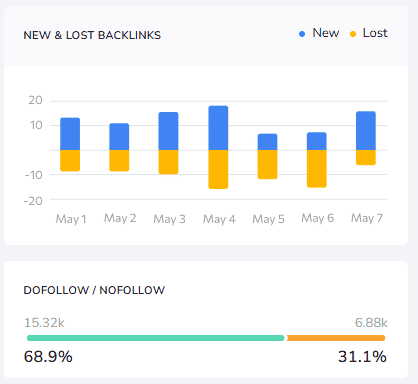
A news site may remove a product mention during a content update. These tools catch broken pages, lost links, and weak campaigns before they create serious SEO issues.
Audit backlink quality and relevance
Not every backlink helps your site. Some links come from:
- Low-trust domains
- Unrelated blogs
- Spam pages
Monitoring tools review domain quality and topical relevance. This helps your teams spot suspicious patterns. For example, a cybersecurity company getting links from casino blogs or foreign coupon sites should raise concern right away.
Monitor anchor text distribution
Anchor text patterns tell search engines how people reference your brand. Too many exact-match keywords can make a backlink profile look manipulated.
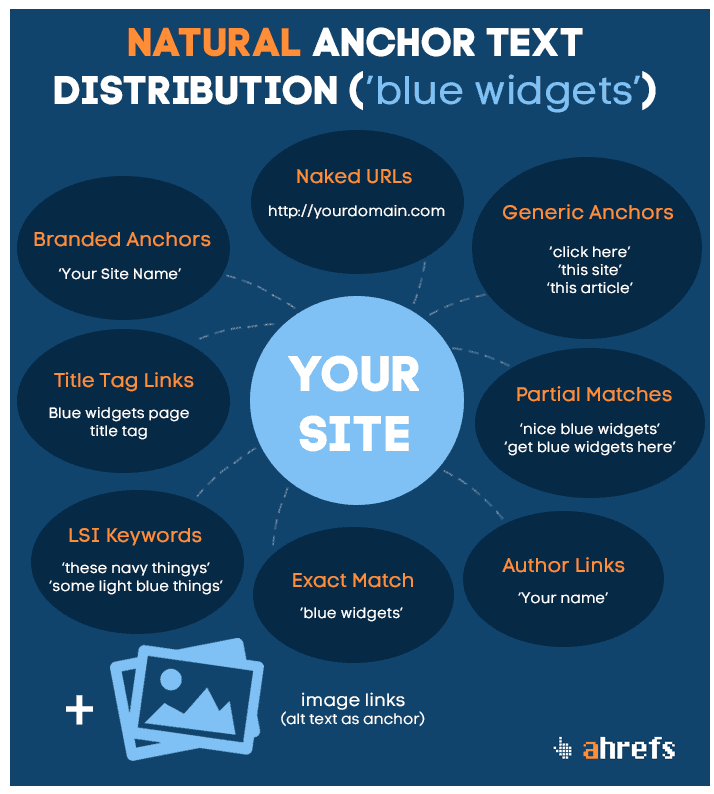
Monitoring tools help teams compare branded anchors against keyword-heavy ones. For example, if most backlinks use “best CRM software” instead of the company name, that pattern may create over-optimization risks.
Identify technical backlink issues
Some backlinks lose value due to technical SEO issues. A strong link can point to a broken page, a long redirect chain, or a noindex URL.
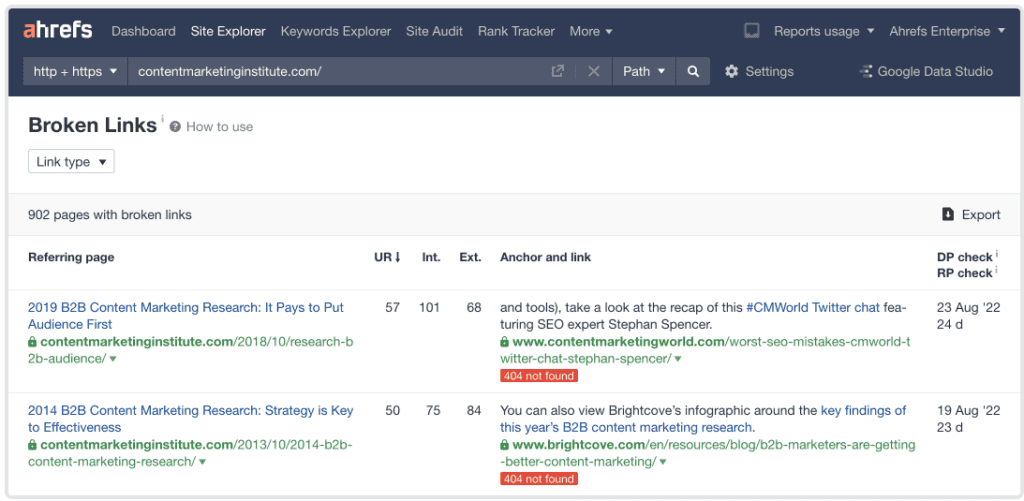
Consider a press feature linking to an outdated product page. It may stop passing authority after a site migration. However, monitoring software helps teams catch these issues before link equity disappears.
Why backlink monitoring matters more after AI Overviews and zero-click search
Search layouts look different now. AI answers change how people find information, and fewer clicks can make authority signals harder to measure directly. That makes your backlink profile one of the clearest assets teams can still monitor, protect, and improve over time.
Authority signals still influence visibility
AI-generated search experiences still rely on trusted sources to build answers. Strong backlinks remain tied to authority and credibility.
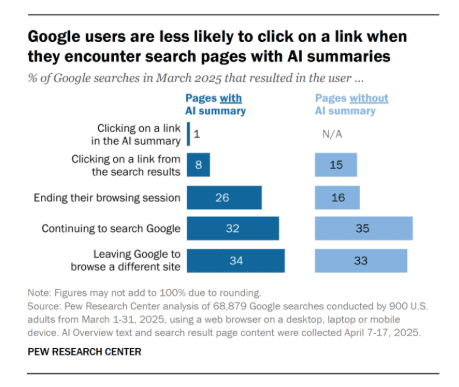
Pew Research Center found that users clicked traditional search results in only 8% of visits when an AI summary appeared. This makes authority signals and trusted citations harder to ignore.
When fewer people are clicking through from search, every citation and earned backlink matters more. Keeping track of them helps teams protect those signals rather than assuming that old coverage is still doing its job.
Negative SEO and spam attacks still happen
Spam attacks still create problems for many brands. Think about competitors, automated tools, and fake websites. These can all point to harmful backlinks to the domain without warning.
Backlink monitoring tools help teams catch unusual spikes before they grow.
The key is to review patterns, not individual bad links in isolation. Sudden growth from unrelated domains, repeated exact-match anchors, or clusters of links from low-quality sites should trigger a manual review before any cleanup decision is made.
Link decay quietly weakens rankings over time
Backlinks disappear when:
- Old URLs stop working after migrations
- Website owners redesign pages
- Journalists update articles
This slow link decay can weaken authority over time.
The risk is not usually one lost link. It is the gradual loss of valuable placements across product pages, research assets, and campaign URLs that once supported rankings. Monitoring gives teams a way to separate normal link movement from authority loss that needs action.
Key features to look for in backlink monitoring tools
Not all tools offer the same value. You need specific capabilities to keep your profile clean and up to date with search updates.
Real-time alerts and notifications
Strong monitoring tools send alerts when backlink changes happen. This helps teams react before problems escalate.
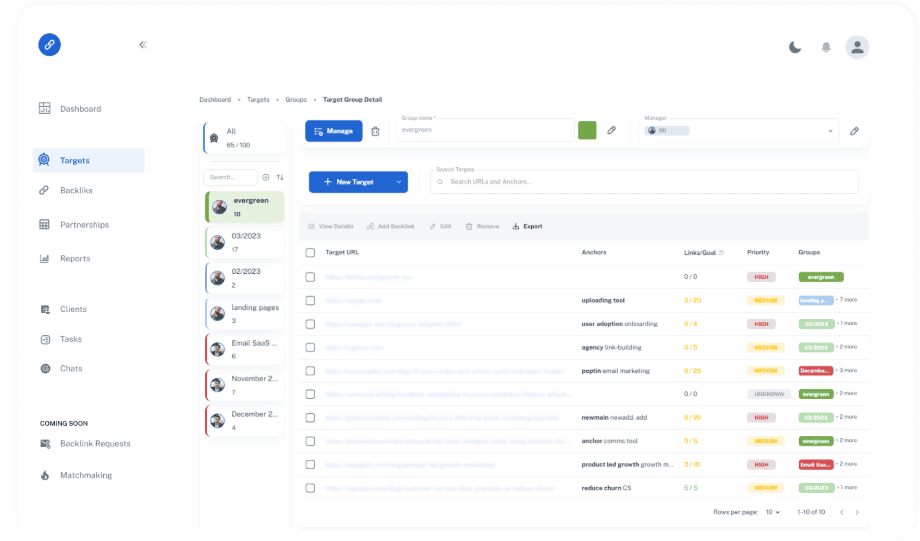
A company may lose an editorial backlink with a high DR after a website redesign. Good tools flag lost links, toxic backlinks, and new referring domains. They also identify changes to anchor text as soon as they appear.
Toxic backlink detection
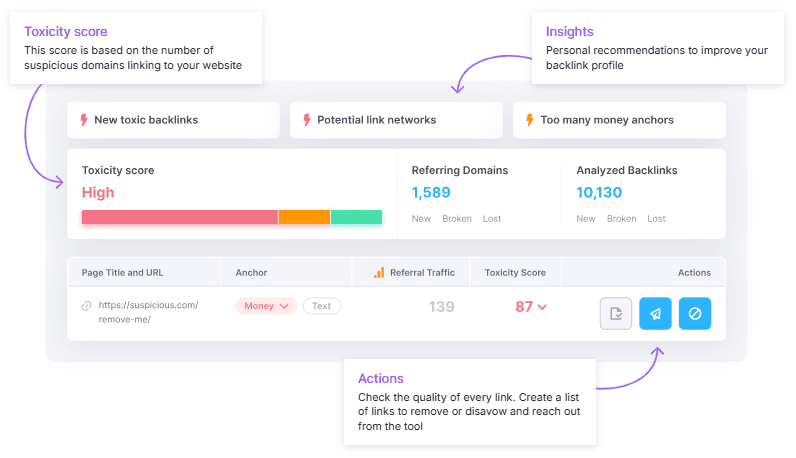
Spam backlinks often hide inside large backlink profiles. Monitoring tools help teams spot link farms and toxic link neighborhoods before they damage trust.
Imagine you own a healthcare brand. You may receive backlinks from unrelated gambling or crypto domains. Automated toxicity scores help. But you should still review suspicious links manually before taking action.
Historical backlink tracking
Historical tracking shows how backlink profiles change over time. This helps marketers connect link growth to campaigns, PR coverage, or content launches.
For example, a digital PR campaign may cause a sharp spike in backlinks. This can occur after a product study goes live. Historical reports also help teams spot sudden drops that signal a loss of authority.
Competitor backlink monitoring
Next is competitor tracking. It helps marketers find new outreach opportunities and missed publications. It also reveals which sites link to several brands in the same industry.
Here’s an example. If multiple competitors earn links from one SaaS review site, that publication may become a strong outreach target. Monitoring overlapping referring domains helps teams expand link opportunities faster.
Integration with SEO and reporting workflows
Backlink data becomes more useful when teams can share it across reporting and SEO workflows. Monitoring software should support exports, collaboration, and integration with Google Search Console.
An agency may create monthly backlink reports for clients. Meanwhile, content and PR teams can track campaign performance in the same dashboard.
Common backlink problems marketers miss
Many teams look at total link counts and think everything’s fine. However, there are hidden issues that can quietly ruin your search presence.
Losing high-authority links without noticing
Some of the most valuable backlinks fade over time. Site migrations break URLs. Content refreshes and PR updates often remove older references.
A publication may rewrite a product roundup. It may remove your backlink during the update. Without backlink monitoring, strong editorial links can go unnoticed for months. And, if you’re considering moving your site, it may be best to plan an SEO migration strategy to prevent traffic loss.
Toxic backlinks hiding inside large profiles
Backlink profiles can hide serious problems. A site may look strong on the surface. However, harmful referring domains may be building up in the background.
These backlinks often come from:
- Unrelated foreign-language pages
- AI-generated blogs
- Spam directories
- PBN-style sites
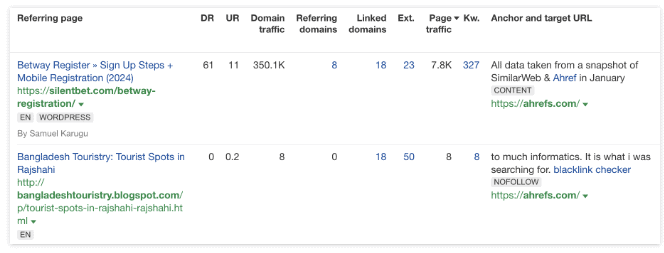
Remember that backlink tools can show millions of links from one site, according to Ahrefs. This is why marketers should review referring domains and link patterns.
Over-optimized anchor text patterns
Repeated exact-match anchors raise red flags for search filters. These match patterns look like manipulative link signals.
Imagine every blog uses the exact text, such as “cheap car insurance.” This means you’ll face a high risk of algorithmic distrust. You need a mix of natural phrases to stay safe.
Redirect and canonical mistakes
Backlinks often point to redirected or outdated URLs instead of live pages. Canonical errors also weaken your authority flow.
For example, backlinks pointing to outdated URLs may pass through several redirects before reaching the final destination. Some authority gets lost during that process.
Measuring links without business context
Raw backlink numbers do not tell the full story. Referral traffic and topical relevance often say more about link quality than total backlink counts.
For example, a small industry blog might generate three paying customers from a single backlink. Meanwhile, a huge directory site may send no traffic and no real authority.
How backlink monitoring supports digital PR and link building campaigns
Tracking your backlink profile connects campaign wins to real business growth. It shows exactly how your earned media performs over time.
Let’s see how monitoring your backlinks can support your digital PR and link building strategies.
Measure campaign impact over time
Some campaigns create backlinks that last for years. Others lose visibility within weeks after publication.
Monitoring software helps marketers compare link retention across campaigns and publications. For instance, one industry report may continue to earn editorial backlinks long after launch. But a short-term news story loses traction fast.
Protect earned media placements
Earned media links aren’t permanent. Articles can get updated. And, editorial teams might remove older references during content refreshes.
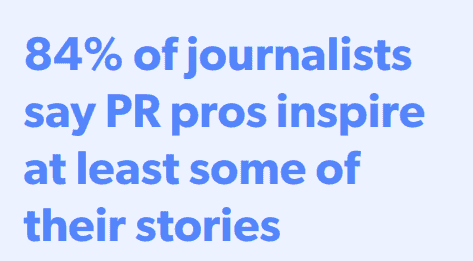
Muck Rack found that 84% of journalists get at least some story ideas from PR pitches. This is why earned media tracking has a key part in backlink monitoring.
Imagine a brand featured in a major publication. It may lose that backlink months later if nobody monitors the placement after publication.
Identify future outreach opportunities
Competitor backlink tracking helps marketers uncover new outreach targets. It also reveals which publications already cover similar brands or topics.
Take an industry blog linking to several competitors. It may accept expert commentary or data-driven pitches from your team. Monitoring patterns in successful placements helps outreach feel more targeted.
Improve reporting for stakeholders
Clients want to see value. You can prove your worth by demonstrating growth in your authority over time.
A monthly report may show that editorial backlinks improved rankings for high-intent pages and increased referral traffic from industry publications. This gives teams a stronger way to prove SEO ROI.
How to build a backlink monitoring workflow that scales
A scalable backlink monitoring workflow should separate urgent risks from normal link movement. Instead of reviewing every backlink the same way, teams should prioritize high-value pages, recent campaigns, toxic-link spikes, and lost editorial placements first.
Run scheduled backlink audits
Backlink monitoring works best when reviews are scheduled. Some brands need weekly audits. Smaller sites may only need monthly reviews.
Consider an ecommerce company running active PR campaigns. It may check backlinks every week. Teams should focus audits on high-value pages, product launches, and recent campaigns first.
Segment links by risk and value
Not all backlinks deserve the same attention. Strong workflows separate valuable editorial links from suspicious or low-quality domains.
For example, a DR 80 industry publication should receive more attention than a random directory backlink. Teams should also track links driving referral traffic, as well as toxic backlinks that may pose SEO risks.
Create alert systems for critical changes
Real-time alerts help marketers respond before backlink issues escalate. Important changes should never sit unnoticed for weeks.
A company may lose several high-DR backlinks after a site migration. Alert systems can also flag sudden spikes in spam backlinks. They may spot unusual anchor-text patterns associated with black hat SEO.
Align monitoring with digital PR and content teams
Backlink monitoring works better when SEO, PR, and content teams share the same reporting process. This keeps valuable editorial coverage from slipping through the cracks.
A PR team may notice which publications keep links live longest after campaigns end. Content teams can then use those insights to guide future outreach and partnerships.
Protect your authority before rankings decline
Backlink monitoring is now part of long-term SEO maintenance. Rankings are not determined by link volume alone; they depend on whether the right links stay live, remain relevant, and continue to support trusted pages. This applies even more now that AI Overviews have changed how people interact with search results.
Many backlink problems start small, such as a few lost editorial links, toxic referring domains, or broken redirects. These may not look serious at first. But over time, those issues can weaken visibility and reduce traffic.
Marketers who monitor backlinks early are more likely to catch problems before rankings decline. Strong monitoring workflows also help teams:
- Prove the impact of SEO campaigns
- Protect earned media coverage
- Maintain brand trust
The right backlink monitoring tools do more than track links. They help brands protect the authority they worked hard to build.
If your team is already investing in digital PR or link building, monitoring helps make sure that investment does not quietly lose value over time.
Want to strengthen your authority strategy and protect valuable backlinks over time? Explore how uSERP supports scalable, long-term link growth. Book an intro call now.