





Traditional public relations used to focus on brand awareness. Get your name in front of people, land media mentions, and call it a win.
That still has value. But today, a strong PR strategy does more than shape brand recognition. It drives search performance.
Here’s the reality.
High-quality backlinks still help pages rank. Links from trusted media outlets can move rankings more than dozens of low-value ones. That’s why digital PR strategy has become a core part of SEO.
The problem? Most teams don’t have a system. They send a few emails, hope for media coverage, and stop when nothing lands. Results feel random, media outreach lacks direction, and link acquisition stalls.
It doesn’t have to work that way.
With the right PR plan, earned media coverage can become a steady source of:
- Brand recognition
- Backlink growth
- Website traffic
In this guide, you’ll learn how to build a repeatable approach that earns links from real media outlets, not just once, but over and over again.
Highlights
- Digital PR can help brands earn high-authority backlinks at scale.
- A structured PR strategy creates a more repeatable process than one-off outreach campaigns.
- Data-driven content and strong angles increase media pickup rates.
- Content distribution and follow-up also drive the story.
- Tracking link impact helps demonstrate ROI for public relations strategies.
What is digital PR in SEO?
In an SEO context, digital PR is about earning backlinks and brand mentions from trusted media sources. You create content, pitch it to journalists, and secure media coverage that links back to your site.
That link signals to search engines that your site is credible. It also brings referral traffic and builds trust with new audiences.
Traditional PR focuses on exposure. Think print features, TV spots, or a press release sent to broad media outlets.
Digital PR still aims for visibility, but it ties every effort to search performance. The goal isn’t just coverage. It’s earning links that improve search engine rankings and website traffic.
A relevant backlink from a trusted, authoritative site can strengthen your backlink profile and support greater SERP visibility. Search engines read those links as signals of credibility and relevance. Over time, this builds stronger search visibility and steady traffic growth.
You’ll also hear the term earned media. This means coverage you didn’t pay for. It sits alongside paid and owned channels, but it often delivers the highest levels of trust and long-term SEO value.
Why a digital PR strategy is critical for SEO growth
For consistent SEO growth, you need more than content. You need links from trusted sources.
That’s where digital PR strategy stands out. It helps you earn links that are hard to get through other tactics, while also building brand visibility and long-term search gains.
Backlinks remain a top-ranking factor
Search engines use links to judge trust, authority, and relevance. But the type of link matters. Instead of prioritizing link volume alone, focus on earning relevant links from authoritative sites.
Instead of chasing large numbers, digital PR focuses on links from trusted media outlets. As Search Engine Land notes, the main SEO benefit of digital PR is backlinks, which are often the most valuable outcome of media coverage.
These links strengthen credibility and help pages rank higher.
Digital PR earns links that are harder to replicate
Most link building relies on guest posts or directories. Those links are easier to copy.
But digital PR works differently. You earn editorial links from real journalists and trusted media outlets.
Editorial placements from relevant publications are often harder to reproduce through conventional link-building tactics. They create a gap between you and your competitors. Over time, this builds a stronger link profile and a more durable SEO advantage.
Brand visibility and SEO compounding effect
Digital PR doesn’t stop at links. It drives media mentions, which lead to:
- More links
- More traffic
- More brand searches
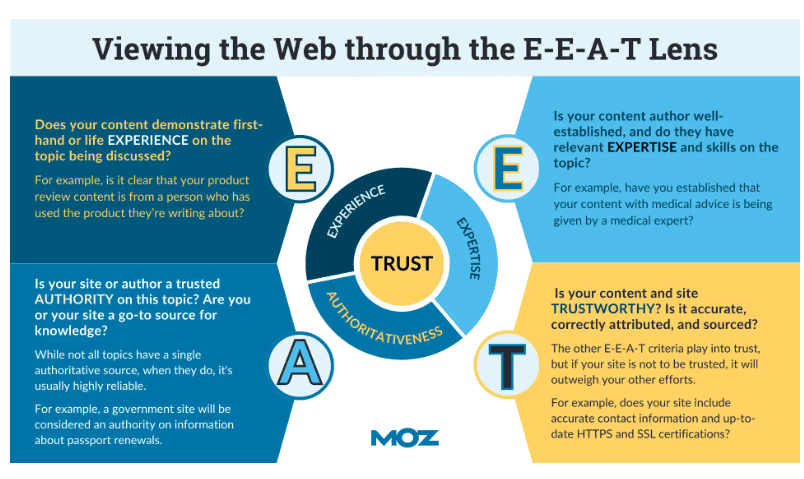
More visibility can strengthen public perception and lead to additional coverage. It also supports E-E-A-T signals, helping search engines trust your site across topics.
Core elements of a high-performing PR strategy framework
A strong PR strategy follows a clear system. When each part works together, results become more consistent. You know your content pillars, your target audience, and how to measure success.
Clear goals and KPIs
Start with your goals. Know what success looks like before you launch a PR campaign. Focus on metrics tied to SEO growth, not just visibility.
Track:
- Referring domains
- Search rankings
- Website traffic
- Backlinks
These show if your PR plan is working. Strong PR metrics keep your efforts focused and help you adjust when results slow down.
Target publications and journalists
Not every outlet fits your brand. Relevance beats reach. A smaller, focused publication can drive better results than a generic one.
Build a media contacts list around the right journalists and publications. Look at what they cover and who they write for. Strong media relations start with targeting specific people who care about your topic.
Content that journalists actually want
Many pitches are already weak before anyone sends them. The issue is the content. If it’s not interesting, they won’t pick it up.
Focus on stories that feel newsworthy. This can be data-led research, strong opinions, or expert insights. Good storytelling helps your pitch stand out and increases your chances of media placements.
Outreach and relationship building
Outreach isn’t just about sending emails. It’s about building trust over time. A generic pitch won’t get replies.
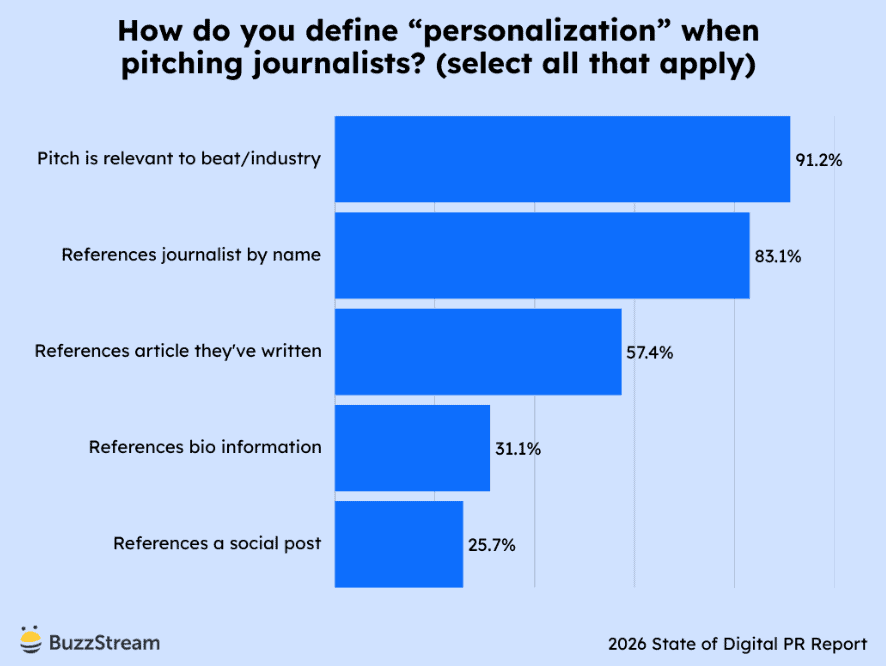
Personalize your outreach approach around relevance rather than superficial customization. BuzzStream’s 2026 report found that 91.2% of digital PR professionals define personalization as ensuring a journalist’s beat or industry fits the pitch.
Check their recent coverage before reaching out, and keep your message focused on why the story fits their audience.
Timing also counts. Reaching out when a topic is timely and relevant improves your chances of earning media mentions.
Types of digital PR campaigns that earn backlinks
Not all PR campaigns lead to links. The tactics you choose affect pickup and results. Some approaches attract more media coverage and backlinks than others.
Here are four types that work well when done right.
Data-driven studies and reports
Data-led campaigns are a core part of your digital PR strategy. You run surveys, analyze market share, or publish benchmarks. This gives journalists something new to cite.
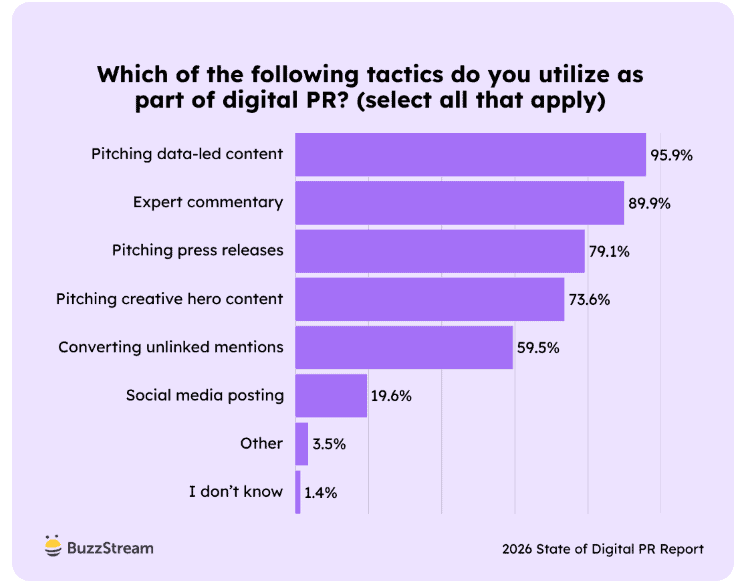
Data-led content is widely used in digital PR. BuzzStream’s 2026 report found that 95.9% of respondents use data-led content pitching, making it the most commonly reported tactic.
Reactive PR (newsjacking)
Reactive PR is about timing. You respond to a story while it’s still fresh. This could be industry news, analyst reports, or a trending topic.
Speed is key here. When you add insight early, journalists may include your quote in their coverage. This type of outreach can earn fast media mentions and links tied to current events.
Expert commentary and thought leadership
Media inquiries need expert input. This is where thought leadership helps. You offer clear opinions, data-backed insights, or context on a topic.

Journalists can use these quotes in articles, driving earned media and backlinks. This also builds credibility and strengthens your position as a trusted voice in your space.
Creative campaigns and linkable assets
Some campaigns stand out because they look different. This can include interactive tools, visual reports, or unique angles on a topic.
These linkable assets give people a reason to link. They also support wider content distribution across social media and digital channels. When the idea feels fresh, it’s easier to earn attention and links.
How to build a digital PR plan step by step
Here’s a step-by-step digital PR plan that helps you move from an idea to media coverage. Each step builds toward earning links that support your search goals.
Step 1: Identify link-worthy topics
Start with topics that people want to cover. Use SEO data, trend signals, and what journalists write about. Look for content gaps where you can add value.
A good topic sits between search demand and media interest.
For example, a finance brand might spot rising search volume for “cost of living 2026” and turn it into a data study.
Step 2: Validate your angle
Not every idea works, even if the topic looks strong. You need to test your angle before you invest time in it.
Look at which stories journalists covered and which they ignored. And pay attention to headlines, data points, and framing.
For example, if “marketing trends” stories don’t get links, a focused angle like “B2B SaaS marketing budgets in 2026” may perform better.
Step 3: Create high-quality, linkable content
Once the angle is clear, create a linkable asset that gives journalists something useful to cite. Keep the structure simple and make key points easy to find.
Add charts, stats, and short takeaways that journalists can use without extra work.
For example, you might create a report on the state of backlinks for SEO. Include clear sections and bold data points that give writers ready-to-use insights. This increases your chances of earning backlinks.
Step 4: Build a targeted media contacts list
Build the list from the outlets you identified earlier. Review recent coverage to confirm that each journalist still writes about your topic, then record their publication, beat, and relevant recent articles before pitching.
For example, if you created a fintech report, find reporters who write about payments or banking. Pitching them beats emailing general business writers.
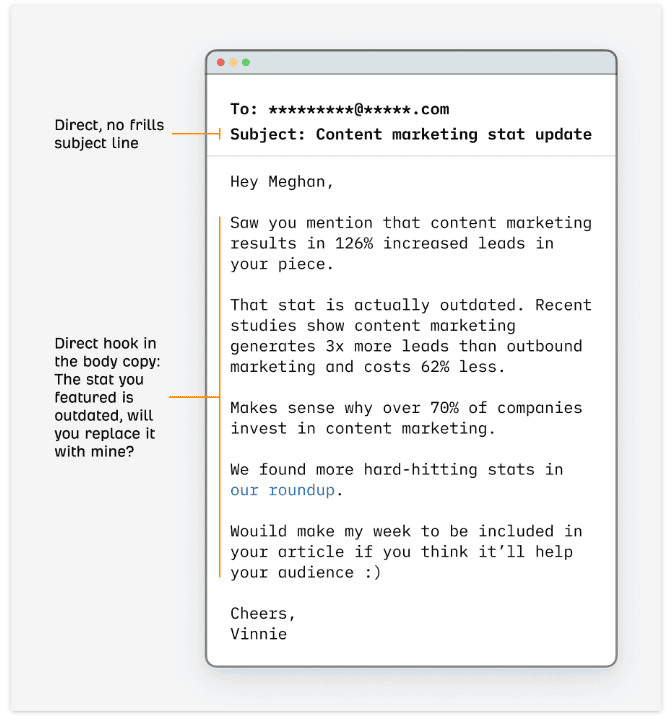
Step 5: Craft and send outreach emails
Your pitch determines whether journalists notice your content. If it doesn’t capture attention quickly, they may move on.
Start with a clear subject line. Lead with the most interesting insight and show why your story fits their target audience.
For example, “New data on 2026 SaaS marketing budgets” is stronger than a generic pitch. It gives readers a clear reason to open and read.
Step 6: Follow up and distribute
Most responses don’t come from the first email. That’s normal. So a short follow-up can bring your pitch back to the top of the inbox.

Don’t rely on email alone. Share your PR campaign across your own channels.
For example, posting your findings on LinkedIn can spark inbound inquiries and lead to additional media mentions.
Step 7: Measure results and refine the next campaign
After distribution, compare earned referring domains, link quality, organic traffic, and ranking movement against the baseline you set before launch.
Review which outlets, angles, and assets produced meaningful results, then use those findings to refine the next campaign.
Common digital PR mistakes to avoid
You might have a strong idea. But it can still fall flat without the right setup. Before you send a single email, it helps to spot the mistakes that stop campaigns from gaining traction.
Weak or non-newsworthy angles
A weak angle stops your campaign before it starts. If the story doesn’t feel new or useful, journalists won’t pick it up.
Many teams focus on content pillars, not angles. But it’s the angle that drives interest. Without a clear hook, your content won’t earn mentions, no matter how much outreach you do.
Mass outreach with no personalization
Sending the same email to a long list rarely works. Journalists can spot a generic pitch right away.
When your message doesn’t match their beat, they ignore it. This leads to low response rates and poor media placements. Strong media outreach depends on relevance and a clear connection to their past work.
Ignoring timing and trends
Timing can make or break a campaign. If your story doesn’t fit the current news cycle, journalists may overlook it.
Many teams pitch too late or miss the trend. When you align with what’s happening now, your chances of media coverage and links increase.
Turn PR into a scalable SEO growth engine
Many teams treat digital PR as a one-off activity. They launch a campaign, wait for links, then move on. It might work for a while, but it rarely yields lasting benefits.
A strong PR strategy works differently. It gives you a system you can rely on. You learn:
- Which angles get picked up
- Which media outlets respond
- How to improve the next campaign
That’s where consistency starts to show.
Over time, that consistency can help you earn more premium backlinks, improve search visibility, and grow website traffic. Your brand also becomes more familiar to readers while earning more authoritative mentions across the web.
If your outreach feels scattered, it’s not a lack of effort. It’s a lack of structure. A clear PR plan helps you move from one-off wins to repeatable results.
If you want to build that system, we can help create a results-driven digital PR strategy that keeps earning high-authority links.