



Most people learn how to write SEO content by chasing rankings. They focus on search queries, keyword research, and getting onto the first page of search engine results pages.
And yes, that can drive traffic. But traffic alone doesn’t build authority.
Most teams overlook a key distinction. Content that ranks isn’t always content people want to cite. You can publish a solid blog post, hit decent search volume, and still earn zero links.
Backlinks still matter. A lot.
- They signal that other websites consider your page worth referencing.
- They can bring referral traffic from websites that cite your content.
- They help you move from visibility to authority in SEO.
This guide takes a different angle.
Instead of writing for rankings alone, you’ll learn how to create SEO content that gives other writers a reason to cite your page.
Highlights
- Ranking content and link-worthy content are not the same. Most SEO content writing focuses on traffic, not authority.
- Backlinks still drive trust, rankings, and long-term content visibility in search engine algorithms.
- Writing SEO content means considering link intent alongside search intent and keyword research.
- Certain formats, like data studies and resource pages, earn links more consistently.
- Small changes in content structure and positioning can turn average pages into valuable content people cite.
Why SEO content can rank without earning backlinks
Most SEO content writing starts the same way. You run keyword research, check search volume, and pick a topic that looks easy to rank for. Then you write a page that matches what already shows up in the SERP.
It can work for traffic without necessarily earning backlinks.
The problem is intent. These teams create content to satisfy search queries without offering anything worth citing. It answers the question, but there’s no depth. There’s nothing that makes someone stop and say, “I should reference this.”
That’s why so much content feels identical. You get ‘me too’ posts that repeat the same ideas and structure as articles already ranking in search results.
There’s also a lack of original input, such as real examples. Without that, your web page becomes replaceable.
What makes content link-worthy?
Not all SEO-friendly blog posts earn links. Some attract traffic briefly, while others keep receiving citations months or even years later.
The difference comes down to one thing. Link-worthy content gives people a clear reason to reference it. It helps them prove a point, explain something better, or support their own content.
Originality over repetition
Most content follows the same process. Look at the results in search engines, study what’s ranking, then write a slightly better version. It sounds smart, but it leads to repetition.
If your page says what everyone else already said, it won’t offer any value.
Link-worthy content adds something new. That could be a fresh framework, a sharper take, or original data. Even a clearer way of explaining a complex idea can stand out.
You don’t need to reinvent the topic. You need to move it forward.
Utility and reference value
People link to content they can use.
That usually means practical, structured resources. Think stats pages, detailed guides, or simple tools.
Here’s an example of an online budget calculator.
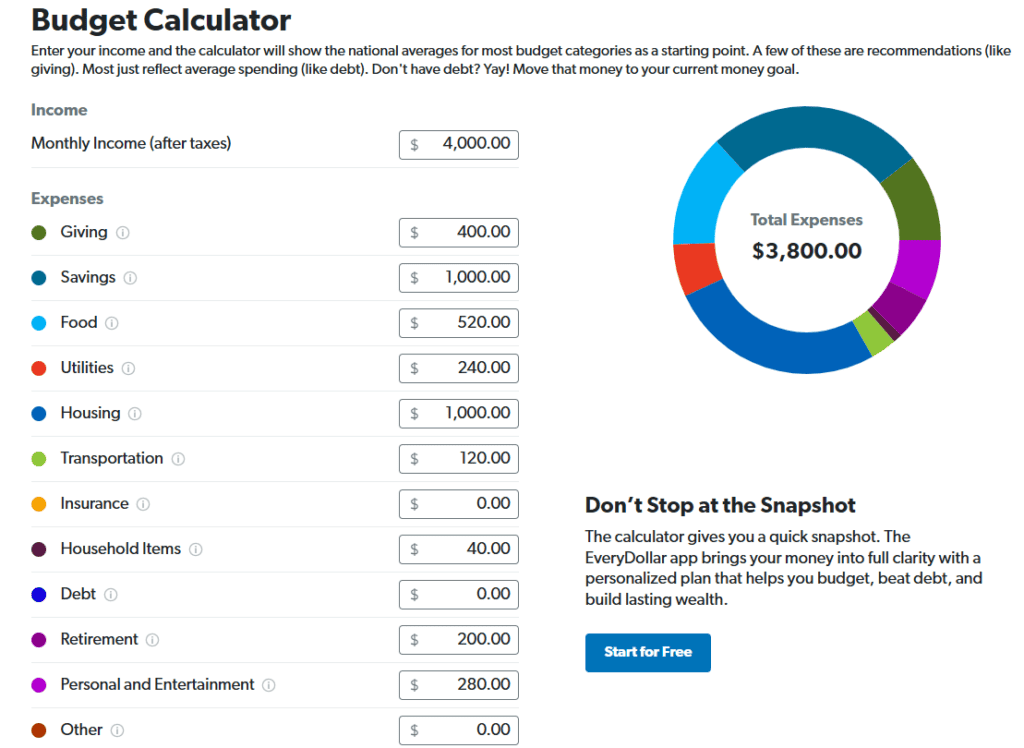
This is where strong content structure matters. When information is easy to scan and reuse, it becomes more linkable.
Credibility and trust signals
No one wants to link to something unreliable. It reflects on them too.
That’s why trust matters. Clear sources, real expertise, and transparent claims make your content safer to cite. These elements demonstrate the credibility of your content.
Backlinks act like endorsements in search. Moz explains that pages with more high-quality links tend to rank higher because they signal authority and credibility to search engines.
How to write SEO content with link intent
Most teams start with search intent. They look at what people type into search engines like Google and Bing and try to match it. That’s how you rank.
But links don’t come from searches alone.
If you want backlinks, you need to think about link intent. Ask a different question. Why would someone reference this page in their own content?
The difference between search intent and link intent
Search intent is about solving a query. A user searches, and your page answers. That’s how you show up in search results.
Link intent is different. It shows up when someone is writing and needs a source to support a claim.
A page can satisfy both types of intent by answering the reader’s question while providing information that other writers can reference.
Identifying topics people actually link to
Some topics attract clicks. Others attract links. They’re not always the same.
Content that earns links usually adds weight to a topic. Data-driven posts are a good example. So are benchmarks and reports people can reference.
Opinion-led content can work too, especially when it offers a clear, strong take.
If your topic helps someone support a point in their own article, it becomes easier to cite.
Reverse-engineering competitor backlinks
You don’t need to guess what earns links. The data is already there.
Start by performing a competitor backlink analysis. Look at competitors with strong backlink profiles. Find the pages that attract the most external links.
Then look for patterns. Are they publishing research? Detailed guides? Resource pages?
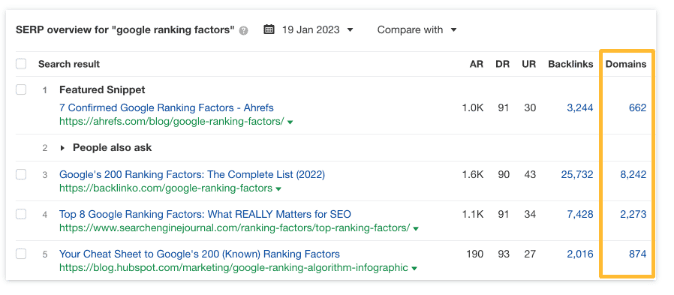
Use these patterns to identify what makes each page worth citing. Then look for gaps in the existing resources, such as outdated information, missing explanations, or data that needs updating. Use those findings to develop a distinct angle for your own content.
Proven content formats that attract backlinks
Some content formats give writers a clear reason to reference a page. Original research provides evidence, while statistics pages and practical resources help readers find reusable information. The following formats serve different citation needs.
Original research and data studies
Original data gives people something they can’t get anywhere else.
This could be a survey, internal data, or a trend report. You’re not repeating existing ideas. You’re adding new information that others can actually reference.
For surveys, publish the sample size and methodology. For internal datasets and trend reports, explain where the data came from, when it was collected, and how it was analyzed. These details help other writers assess the findings before citing them.
That’s why journalists and bloggers rely on these pages. They need sources that support their claims.
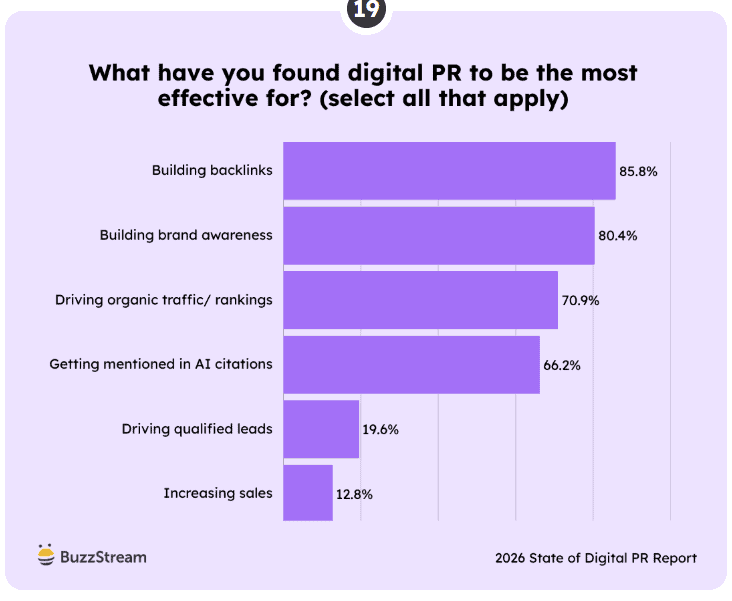
Original data also fuels digital PR. According to BuzzStream’s 2026 State of Digital PR Report, 85.8% of surveyed digital PR professionals identified building backlinks as an effective use of digital PR. Data gives those campaigns something real to cite.
Statistics and resource pages
Statistics pages solve a simple problem. They bring scattered data into one place.
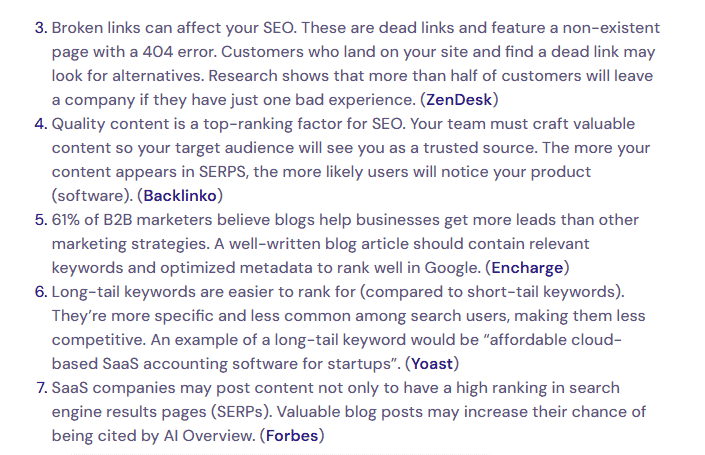
Writers often need quick, reliable numbers. If your page makes that easy, it becomes a go-to reference in SEO writing.
But it only works if the sources are clear and trustworthy.
Over time, well-maintained statistics pages can attract backlinks when writers discover and cite their data.
In-depth guides and “ultimate” resources
Long-form content only works when it goes deep.
A strong guide doesn’t just answer the main question. It covers related points, explains them clearly, and removes confusion.
Structure matters here. Clear titles and headings help readers find what they need fast. This is part of on-page optimization.
When a guide feels complete, people trust it and link to it as a reference.
Thought leadership and opinion pieces
People link to ideas that stand out.
Thought leadership works when you take a clear position and support it with experience. You’re not just repeating advice. You’re adding a point of view.
Sometimes that means going against common opinions.
When content challenges expectations, it sparks discussion. That makes it more likely to be shared, cited, and used in content marketing.
Free tools, templates, and frameworks
Tools, templates, and frameworks help people apply what they learn. Examples include an on-page SEO tool and blog post templates.
These are easy to reference because they solve a real task.
How to write SEO content with linkable assets
Link-worthy content isn’t only about picking the right topic. It’s about what you add to the page itself.
You can take a solid idea and make it far more linkable by including the right elements. Small additions give people something they can quote or use in their own writing.
Add quotable insights and unique angles
Most content explains things in a safe, predictable way. That’s easy to read, but hard to cite.
Linkable content includes short, clear insights that capture an idea simply.
A unique angle helps, too. When you frame something differently, it sticks. That makes it easier for others to reference in industry articles.
Use visuals that others want to embed
Some ideas are easier to show than explain.
Charts, graphs, and infographics help break things down fast. This is why they often get reused in other articles, presentations, and reports.
The Semrush chart below shows how a visual can communicate relationships between multiple metrics without a lengthy explanation.
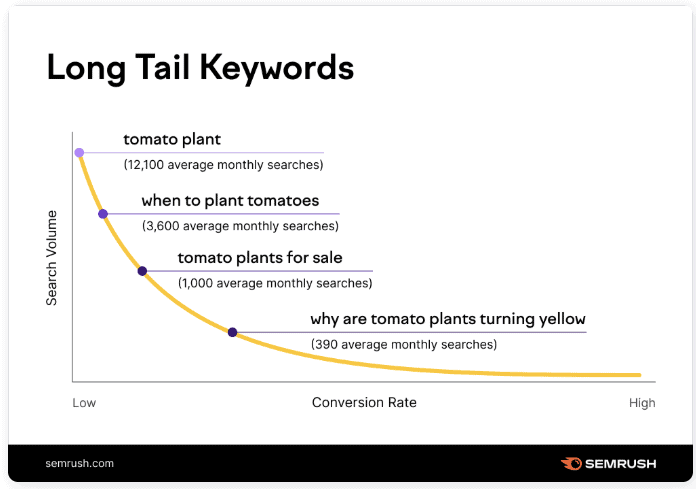
When you publish an original visual that explains a concept clearly, other writers may embed it in their content and cite your page as the source.
Include data, examples, and mini case studies
Generic advice doesn’t travel far.
When you add data, real examples, or short case studies, your content becomes more specific. It shows how something works, not just what to do.
Create standalone sections worth linking to
Not every backlink goes to the full page. Many point to a specific part.
Give each definition, framework, or statistics block a descriptive heading and enough context to make sense without the surrounding article. Include the relevant source beside any data so another writer can verify it before referencing the section.
Optimizing content for outreach and link acquisition
Even strong content needs a push. Backlinks don’t just appear.
You need outreach. How you design and present your content plays a big role. Planning link acquisition early helps you create content that is easier to promote to relevant websites.
Designing content with outreach in mind
Before you start writing, step back for a second. Who would actually link to this?
Think about writers, editors, or teams working on their own content marketing. What would make your page useful to them?
When your content solves a real need, outreach feels more natural. You’re not asking for a favor. You’re sharing something they can use.
Pre-outreach research
A good outreach link building strategy starts before you send your message.
Build a list of relevant websites and identify pages that link to resources covering similar topics. The writers and editors behind those pages are more likely to be interested in your resource.
This step takes effort, but it pays off, as you’re reaching out with context.
Positioning your content as a resource
Outreach isn’t just about what you send. You have to frame it well.
If your page looks like another generic article, it’s easy to ignore. But if you position it as a useful resource, it stands out.
Explain which specific claim, question, or section on the recipient’s page your resource supports. Point to the relevant data or explanation rather than asking them to link to your article without context.
This gives the recipient a specific reason to consider your resource rather than treating the message as another generic link request.
Focus on the content people want to cite
Writing SEO content that earns backlinks means giving other writers something useful to reference. Original research, practical resources, and clearly structured information can help your content support other articles while building authority over time.
This approach takes time. Link-worthy content doesn’t spike overnight. It builds steadily as more people discover and reference it.
If you want consistent results, you need a system behind it.
uSERP helps brands develop high-quality content designed to attract relevant backlinks.
Book a call to learn how to turn your content into a long-term growth engine.