




If you still think content marketing is just about publishing keyword-stuffed blog posts, you’re already behind.
These days, brand perception is different. The brands that win are not just informative—they are recognizable, trusted, and consistently valuable. That’s exactly what branded content marketing is all about.
Instead of creating generic content that could belong to anyone, brand stories and branded content focus on creating content that clearly reflects your brand’s voice, expertise, and perspective. It’s content that people don’t just read—they remember, trust, and link to.
Brand-led content gives businesses a chance to share their expertise while creating resources others can reference.
In this guide, we’ll explain how brand-led content marketing works, how it supports SEO, and how to create content that can attract backlinks while building long-term authority and brand awareness.
Highlights
- Branded content marketing drives SEO by building trust, not just rankings. Content tied to your brand voice, expertise, and consistency earns more backlinks, brand searches, and long-term authority.
- Backlinks come naturally when content is original, useful, and easy to reference. Unique perspectives, strong opinions, and clear explanations make your content more “link-worthy” than generic articles.
- High-performing formats like thought leadership, original research, case studies, and visual content generate the most links. These formats provide real value, credibility, and shareability that others want to cite.
- To earn backlinks, focus on clarity, real value, data, and consistent brand voice. Content that solves problems, uses proof, and is easy to read is far more likely to be shared and referenced.
- Scaling branded content requires frameworks, templates, and content calendars. These systems help teams maintain consistency and create ongoing opportunities for audiences to discover their content.
Why branded content marketing matters for SEO
Search engines evaluate content using several factors, including relevance, usefulness, and source credibility. Brand-led content can support these qualities by offering original insights, accurate information, and resources that address readers’ needs.
When your content consistently reflects your brand’s expertise and provides useful information, readers have more opportunities to recognize and reference your work.
Think about the difference between a generic blog post and one that includes unique insights, real examples, and a clear point of view. The second is far more likely to earn references because it offers something original.
Consistent branded content can make your business more recognizable across different channels. You can track branded search queries to understand how frequently people search for your business by name.
Brand-led content can support a broader SEO strategy by creating useful resources, strengthening brand recognition, and giving other websites reasons to reference your work.
How branded content earns backlinks (The real mechanism)
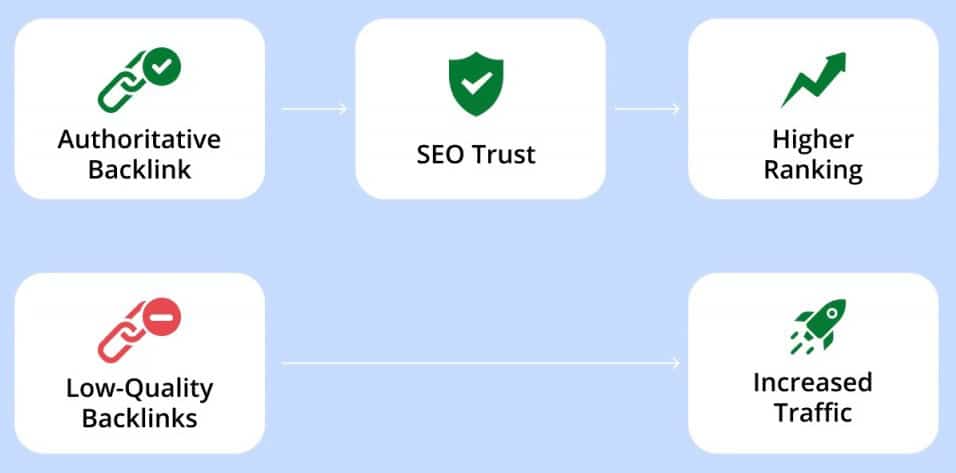
Outreach and guest posting are not the only ways to earn backlinks. Other websites may also link to your content when it provides useful information they want to reference. This is exactly what brand-led content is designed to achieve.
First, brand-led content can offer a distinct perspective. When your content includes original insights or first-hand experience, other writers have something specific to reference when discussing a related topic.
Second, it builds credibility. When your content consistently delivers value, readers start trusting your brand. And when they trust you, they are more comfortable citing your content as a source.
Third, brand-led content is easier to recognize. When your visuals, tone, and messaging are
consistent, people remember where the content came from.
To create backlink opportunities, publish original research, useful guides, or other reference material on your website. When writers discover these resources through search, social media, or outreach, they can cite the original page in their own articles.
Types of branded content that drive authority and links
Not all content contributes equally to authority and backlinks. Some formats are far more effective for brand-led content marketing.
Thought leadership articles
These are opinion-driven pieces that share your unique perspective on industry topics. Instead of repeating common advice, you offer insights from your experience.
For example, instead of writing “Ahrefs SEO Tools for Beginners,” you might write “Why Most SEO Tools Fail Small Businesses.” This kind of angle stands out and encourages discussion.
Thought leadership allows your brand to demonstrate expertise by sharing insights drawn from experience. Research also supports the broader business value of thought leadership.
Edelman and LinkedIn’s 2025 B2B Thought Leadership Impact Report, based on nearly 2,000 global professionals, found that strong thought leadership can influence stakeholders beyond the immediate target buyer and help lesser-known brands gain consideration.
These perspectives can give other writers something to reference when discussing similar topics.
Original research and data studies
(Image created by the author)
Original research lets your brand publish findings other writers can reference. Surveys, internal datasets, and industry reports can provide information not available in existing articles.
Include the research methodology, collection date, and relevant limitations so readers can evaluate the findings before citing them.
Publishing specific findings with a clear methodology gives other writers information they can evaluate and reference when supporting related claims.
Case studies (Proof-based content)
Case studies show real results, which makes them highly credible. Instead of telling people what works, you show them.
For example, a case study documenting changes in organic traffic, the actions taken, and the period measured gives readers evidence they can evaluate. Other businesses may reference your results when explaining similar strategies.
This content format builds trust and increases the likelihood of backlinks.
Visual branded content
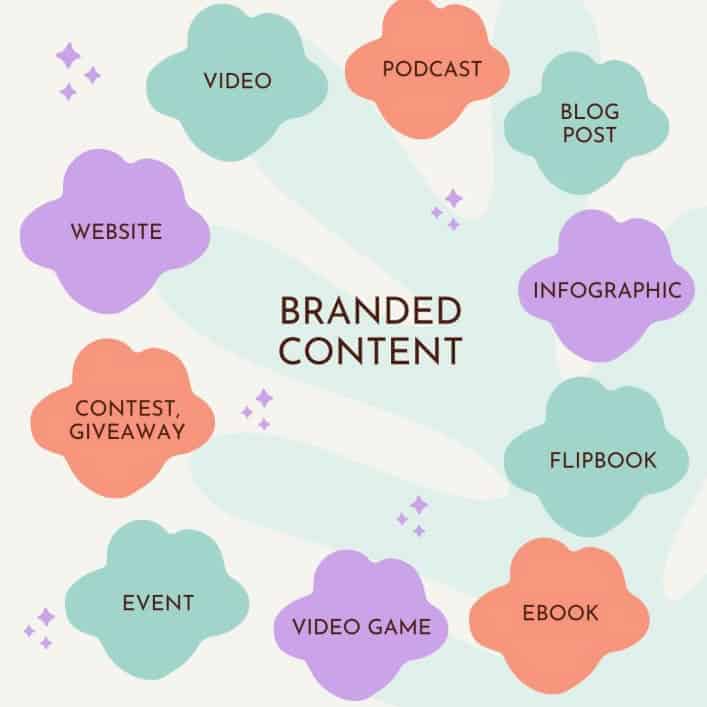
Infographics, charts, and branded graphics fall under visual content and play a key role in branded content.
Visuals make content easier to understand and more shareable. They also increase the chances of being embedded in other websites, which can generate backlinks.
Educational content and guides
In-depth guides and tutorials provide long-term value. When your branded content solves a problem clearly and effectively, people keep coming back. These guides can become linkable assets because they provide useful information that other writers can reference. Over time, well-maintained guides may attract backlinks when other websites discover and reference their information.
How to create branded content that actually earns links
Creating content is easy, but creating content formats that naturally earn backlinks is where most businesses struggle. This is where brand-led content marketing needs to become intentional, not random.
If your goal is to earn premium links, your content must give people a reason to reference it. That usually comes down to three things:
- Usefulness
- Originality
- Clarity
Together, these qualities make your content more useful to readers and give other writers a reason to reference it.
Another important factor is positioning. Instead of creating content that simply answers a question, aim to create content that becomes the best available answer. That means going deeper, using better examples, and presenting information in a way that’s easier to understand than anything else online.
The truth is simple: backlinks are earned when your content saves people time, makes them look smarter, or helps them explain something better. That’s exactly what strong brand marketing should aim to do.
Focus on originality
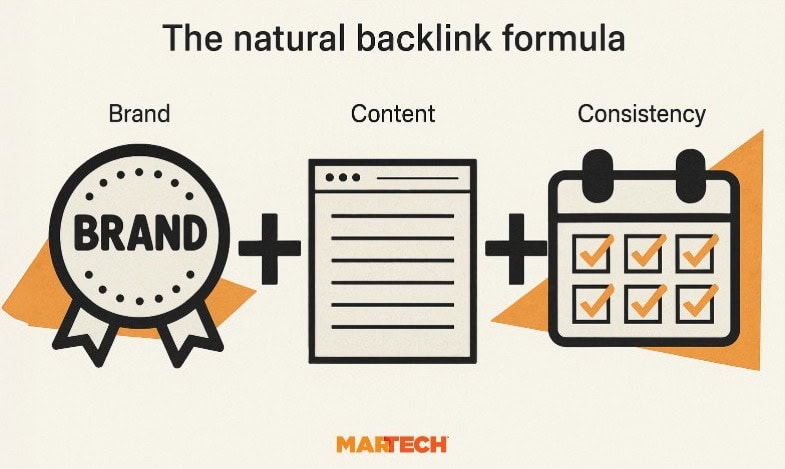
Originality is one of the biggest drivers of backlinks, yet it’s often overlooked. Many businesses create branded content that repeats what’s already been said, just in slightly different words. The problem is simple: there’s nothing worth linking to.
With branded content, your goal should be to bring something new to the table. This doesn’t always mean inventing completely new ideas. It can be as simple as:
- Presenting a unique angle on a familiar topic
- Challenging common assumptions
- Sharing your own experience
For example, instead of writing a generic article like “How to Improve SEO,” you could create something more distinctive like “Ultimate SEO Checklist (On-page Optimization).” This gives readers a more specific resource they can use when reviewing their own websites.
Share your original content on platforms like LinkedIn to encourage discussion around your perspective. These discussions can introduce your ideas to writers who may reference them in their own work.
Provide real value
Value is the foundation of any successful branded content strategy. Content that addresses readers’ needs gives them a clearer reason to share it or reference it in their own work.
To provide real value, your content should do at least one of the following:
- Offer insights that save time or effort
- Solve a specific problem
- Simplify a complex topic
- Provide actionable steps
The more practical your content is, the more useful it becomes. And useful content is exactly what people look for when they need something to reference or link to.
For example, a detailed guide that walks readers through a process step by step provides more practical guidance than a high-level overview. When someone writes about that topic in the future, they are more likely to link to your guide because it provides clear, actionable information.
In simple terms, if your content drives engagement while making someone’s job easier, it becomes link-worthy.
Use data and examples
Data adds credibility, and credibility builds trust. When people trust your content, they are far more likely to reference it. That’s why data plays such an important role in branded content marketing.
Whenever possible, support your points with statistics, research, or real-world examples. This not only strengthens your argument but also makes your content more useful for others who need reliable sources.
Now your content becomes more than just an opinion—it becomes a resource.
Examples are just as important. They help readers understand how something works in practice. A concept explained with a real example is easier to grasp and more likely to be remembered.
Maintain a consistent brand voice
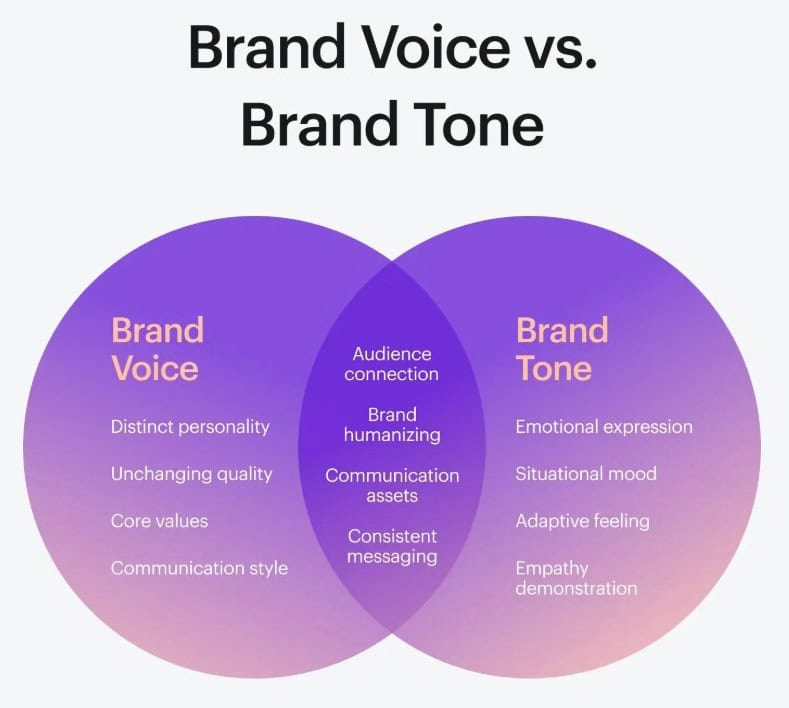
Consistency turns content into a brand. Without it, your content feels disconnected and forgettable. With it, your content becomes recognizable and trustworthy.
In branded content, your voice matters as much as your message. It reflects your brand’s personality, values, and expertise. Over time, this consistency helps build familiarity, which leads to trust.
For example, if your content is always clear, practical, and slightly opinionated, readers will start to expect that style from you. When they see similar content elsewhere, they may even compare it to yours.
This recognition increases the likelihood of backlinks. When people remember your brand, they are more likely to reference it when creating their own content.
Consistency doesn’t mean being repetitive—it means being recognizable.
Optimize for readability
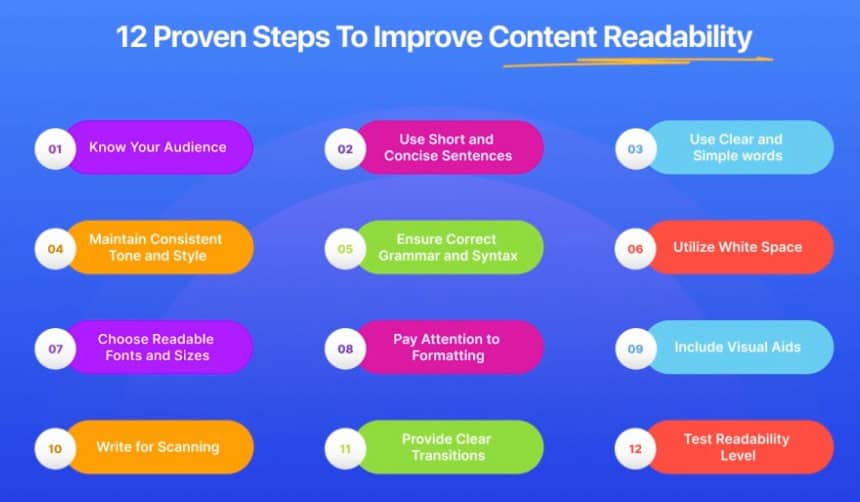
Even the best content will fail if it’s difficult to read. People don’t want to struggle to understand your content. They want something clear, structured, and easy to follow.
That’s why readability is a key part of a branded content strategy.
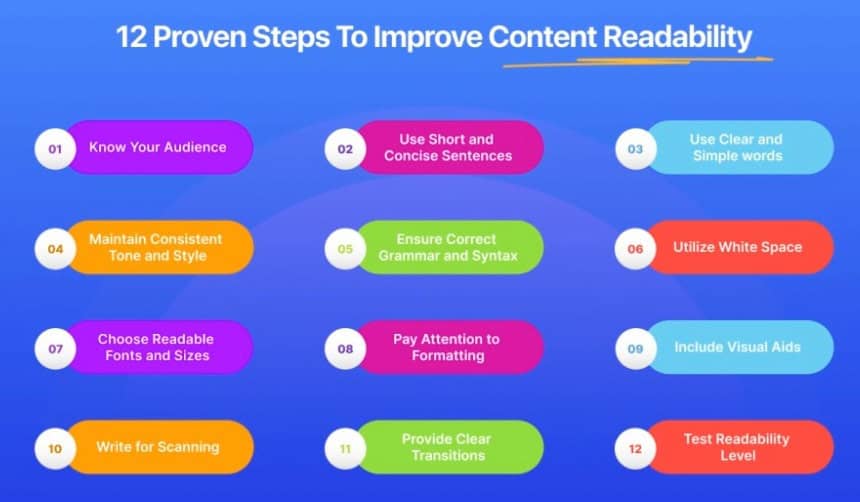
Use short paragraphs, simple language, and clear headings. Break up complex ideas into smaller sections. Make your content easy to scan, not just read.
For example, instead of writing long, dense paragraphs, structure your content so that each section focuses on one idea. This makes it easier for readers to find what they need quickly.
Readable content performs better because it keeps people engaged. And higher engagement increases the chances of shares, references, and backlinks.
Managing branded content marketing at scale
Creating one great piece of content is not enough. To build authority, you need consistency over time. That’s where systems and processes become essential in brand-led content marketing.
Without a clear structure, content creation becomes inconsistent and difficult to scale. With the right systems in place, you can produce high-quality content regularly without losing focus or quality.
Scaling content isn’t about producing more—it’s about producing better content more consistently, which supports brand promotion.
Build a content framework
A content framework gives your efforts direction. It defines what topics you cover, how you approach them, and what goals you want to achieve.
In brand-led content marketing, this ensures that all your content aligns with your brand and strategy. Instead of creating random pieces, you build a cohesive body of work.
For example, your framework might include core topics like SEO, content marketing examples, and branding. Within each topic, you can create different types of content, such as guides, case studies, and opinion pieces.
This structure makes your content more focused and easier to scale.
Use templates and guidelines
Templates help you maintain consistency while saving time. They provide a starting point for creating content, which makes the process faster and more efficient.
Guidelines ensure your content follows the same standards, no matter who creates it. This includes tone, structure, and formatting.
In brand-led content marketing, consistency is key. Templates and guidelines help you achieve that without sacrificing quality.
Plan with a content calendar
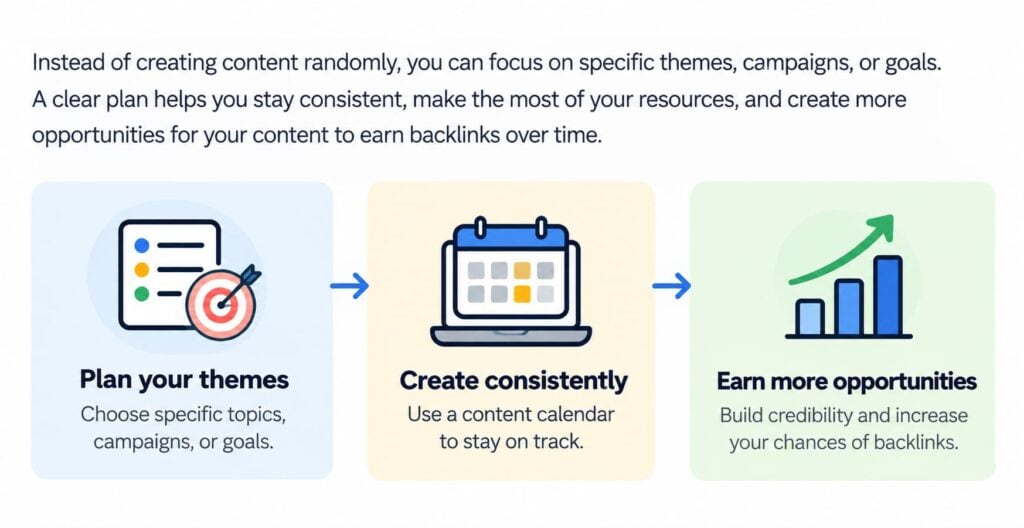
A content calendar helps you stay organized and consistent. It allows you to plan your content and align it with your overall strategy. Instead of creating content randomly, you can focus on specific themes, campaigns, or goals.
Repurpose content
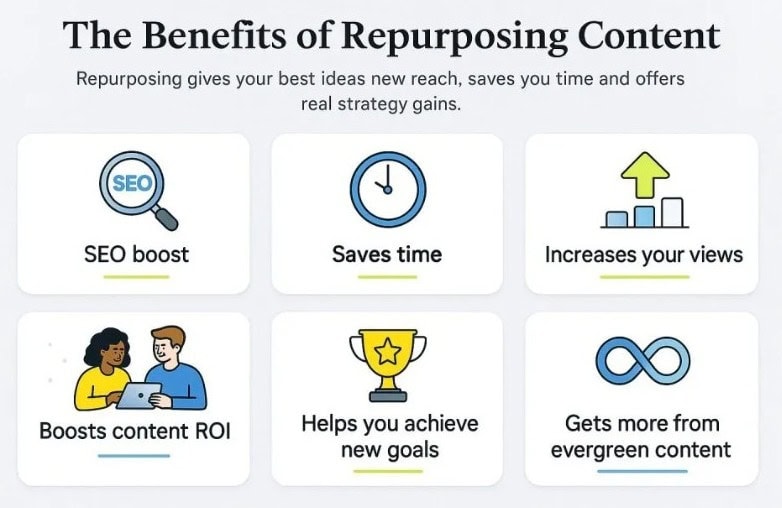
Repurposing content like this lets you reach a wider audience without creating everything from scratch.
For example, a blog post can become:
- Social media posts
- Email newsletters
- Infographics
- Videos
Sharing your content in different formats creates additional opportunities for audiences to discover the original resource. Writers who find it useful may then reference the original page in their own articles.
Track performance
You can’t improve what you don’t measure. Performance tracking is crucial because it helps you figure out what works and what doesn’t. Focus on metrics like traffic, engagement, and backlinks. These indicators show how your content is performing and where you can improve.
In brand-led content marketing, data helps you fine-tune your overall strategy and focus on the content that delivers the best results.
Common pitfalls
Even well-planned strategies can fail if you don’t avoid certain mistakes. Understanding these pitfalls can help you get better results from your branded content strategy.
One common mistake is focusing too much on promotion. Content that feels like an advertisement is less likely to get shares or backlinks. People prefer content that provides value over content that pushes a product.
Another mistake is inconsistency. When your content varies in tone, quality, or style, it becomes harder to build trust. Consistency is what makes your brand recognizable.
Some businesses also rely too heavily on opinions without supporting them with data. While opinions can be valuable, they are much stronger when backed by evidence.
Avoiding these mistakes can significantly improve your content’s performance.
Building brand authority via brand-led content marketing
Authority is not built overnight. It comes from consistent effort over time. Branded content strategies can accelerate this process by combining value, visibility, and trust.
When your content consistently delivers useful insights, people start seeing your brand as a reliable source. This trust is what drives engagement, shares, and backlinks.
As your content gets shares and links, your visibility increases. More people discover your brand, creating more growth opportunities. Over time, this creates a cycle: more authority leads to higher visibility, and higher visibility leads to even more authority.
Real examples of branded content that works
To understand how big companies run brand-led content marketing, look at real examples to get a glimpse of “the real deal.” These real-life examples can help you understand how brand-led content marketing works in practice.
HubSpot
HubSpot is known for its in-depth guides, templates, and research. Their content focuses on providing value, which makes it highly shareable and linkable.
For example, their marketing statistics pages are widely referenced across the internet, and this type of content usually becomes a go-to resource for many businesses.
Ahrefs
Ahrefs focuses on data-driven content and practical tutorials. Their blog includes detailed case studies, experiments, and actionable insights. This approach makes their content highly credible and useful.
Canva
Canva uses visual content and design-focused tutorials to attract users. Their content is simple, clear, and highly practical. This makes it easy for users to understand and apply, which increases engagement and shareability.
Wrap up
Branded content marketing is not just about creating content—it’s about creating content that people remember, trust, and share.
A consistent, value-driven approach can help you:
- Strengthen your brand
- Build authority
- Earn backlinks
- Increase traffic
Focus on originality, value, and consistency. Create content that stands out and provides real insights.
Want to turn your branded content into relevant backlink opportunities? Explore uSERP’s link-building services to learn how targeted outreach can support your SEO strategy.