Your brand is being talked about right now. On social media, in blog posts, or even in news stories. The question is: Do you know what’s being said? If not, you may be missing opportunities to grow or failing to prevent a reputation crisis from escalating.
In this post, we’re going to discuss brand monitoring tools. These platforms help you track mentions across online channels, analyze your audience’s feelings about your brand, and monitor competitors’ activity. The right tool allows you to step in at the right time and guide conversations in your favor.
Highlights
- Brand monitoring tools track more than mentions. They show you sentiment, reach, and competitor activity so you know how people view your brand.
- Real-time alerts protect your brand reputation. Get instant updates when a customer mentions your brand. Respond to minor issues before they become crises.
- AI-driven analysis makes insights sharper. Tools use sentiment detection, anomaly spotting, and reporting to turn raw data into clear next steps.
- Monitoring supports growth. From influencer tracking to market research, these platforms help you find new opportunities and increase brand visibility.
What are brand monitoring tools?
Brand monitoring tools are platforms that track how people talk about your brand across digital channels. They collect and analyze brand mentions from online conversations on social channels, blogs, or forums. They give you a clear picture of what your audience thinks about your brand. This ties directly to brand awareness.
These tools often include features like real-time alerts, sentiment tracking, and detailed analytics. Some use AI capabilities to detect emotion and group mentions for easier reviews.
In practice, brand monitoring software supports several goals. They:
- Help with managing your reputation. They alert you to complaints before the situation escalates.
- Improve customer service. The tools let you respond quickly to customer feedback. You receive instant notifications when someone asks a question.
- Support market research. The tools give you valuable insights into industry trends and share of voice.
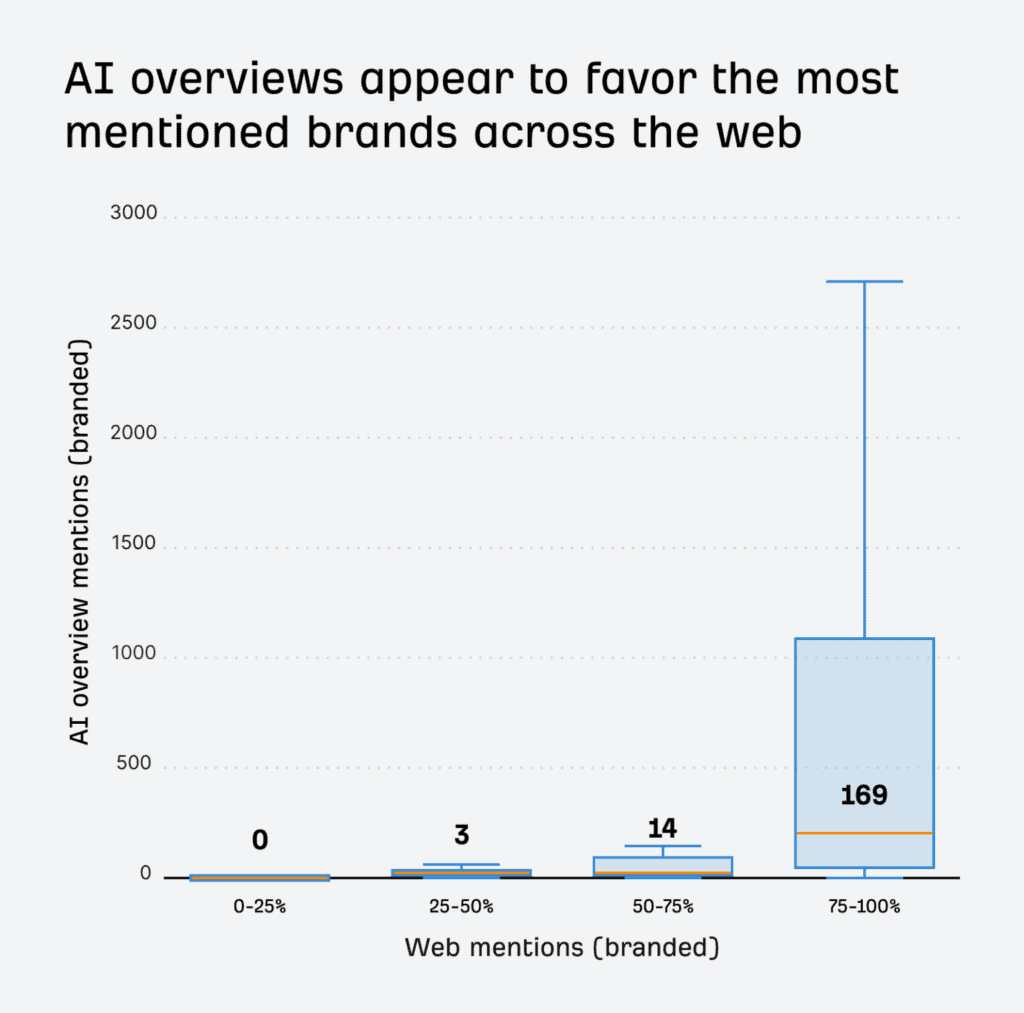
In fact, in one LinkedIn post, Jeremy Moser, founder of uSERP, explains how the way we measure brand visibility is shifting fast. For years, backlinks were considered the primary signal of authority. But today, with AI-driven search and unlinked mentions on the rise, how often your brand gets talked about online matters more than ever.
He emphasizes that real-time monitoring of conversations is crucial for brands that want to remain visible in search. According to an Ahrefs study, AI Overviews tend to cite brands with the most web mentions rather than those with the most backlinks.
Top brand monitoring tools in 2025
The following eight tools are among the best options we’ve encountered this year. They come with various features. These include social listening, multilingual support, and keyword tracking.
To compare these tools fairly, look at coverage, how quickly alerts arrive, how deep the reporting goes, and which type of team each platform actually fits. Some work better for startups and lean marketing teams, while others are built for enterprise-level brand monitoring.
1. Mentionlytics
Mentionlytics is a brand monitoring software that helps businesses track mentions and conversations across social media platforms, blogs, and forums.
It’s popular for its social media listening capabilities. It also offers multilingual support and AI-driven analysis, making it a suitable choice for brands with a global presence.
Key features
Mentionlytics stands out for its real-time monitoring and alert system. You receive real-time notifications when someone mentions your brand online. This could be praise on X or a complaint in a Facebook group. This way, you respond promptly, enhancing the customer experience.
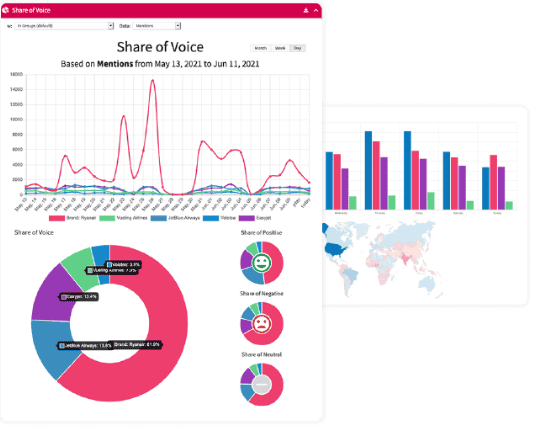
The platform also delivers detailed analytics and reporting. These insights cover customer sentiment, audience engagement, and share of voice (to see whether you or your competitors are leading the market). The data is easy to understand. It also helps you refine your digital marketing strategies and monitor growth over time.
That makes Mentionlytics especially useful for teams that want both day-to-day monitoring and a clearer long-term view of how brand perception evolves.
2. Brand24
Brand24 is another popular brand monitoring tool that tracks mentions across social media platforms, review sites, and news portals.
It offers a user-friendly dashboard, making it a strong option for mid-sized companies seeking comprehensive coverage and practical insights.
Key features
Brand24 offers real-time alerts. The platform notifies you the moment your brand is mentioned online. This allows teams to respond promptly to both positive mentions and negative feedback.
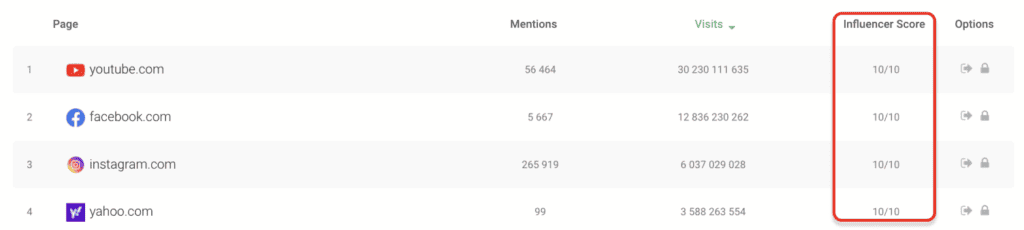
However, another useful feature is influencer scoring. The platform identifies key influencers driving the conversation. This can be helpful if you’re looking to partner with influencers to help boost your brand visibility and target new audiences.
For teams that care about both reputation tracking and campaign visibility, Brand24 is a practical all-around option.
3. Mention
Mention helps businesses cut through the noise online by giving them full control over how they monitor conversations about their brand. It explores digital channels, including blogs and forums, as well as traditional media such as TV and radio. Marketing teams often choose Mention because it offers flexible alerts and practical dashboards without overwhelming complexity.
Key features
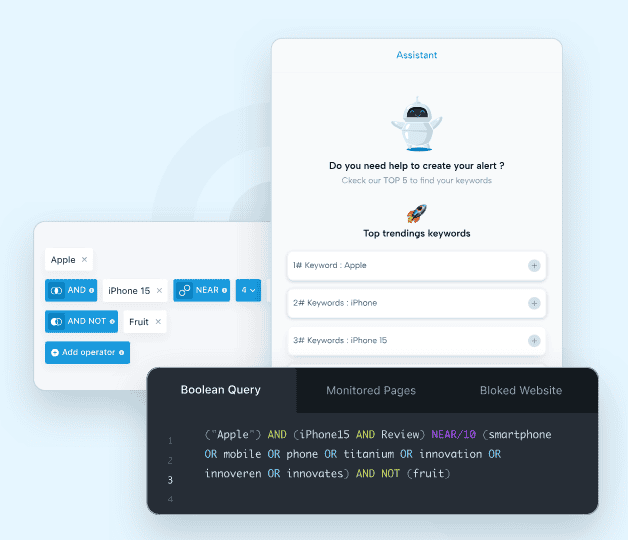
One of Mention’s key features is its query-building system. Users can choose from basic, standard, or advanced alert options. This depends on their needs.
The robot assistant in basic alerts suggests keywords, hashtags, and countries to observe. With advanced alerts, you can use Boolean Search to customize monitoring and capture highly specific brand mentions. This makes it easier to filter noise and focus on the conversations that matter.
That flexibility is especially useful for teams that need tighter control over what gets tracked and how alerts are shaped.
Beyond social media, Mention also extends to traditional sources, such as radio and TV, in the US and Canada. This wide reach ensures brands don’t miss important media coverage or customer feedback.
Finally, this brand monitoring tool connects with Slack and Zapier. This means you can receive brand-mention alerts directly in your Slack channel.
4. Talkwalker
Talkwalker is designed for companies seeking in-depth insights into their brand reputation. It’s known for its advanced AI analytics and visual dashboards and is used by marketing teams, agencies, and large enterprises who want to uncover trends that drive decision-making.
Key features
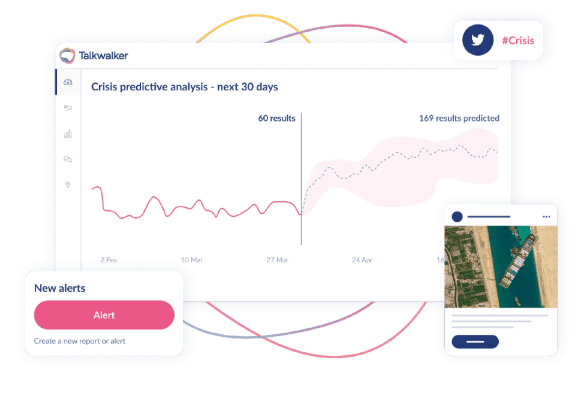
As part of brand monitoring, Talkwalker serves as a social media management tool, thanks to its social listening capabilities. It “listens” to what people are saying about your brand. It alerts you immediately to sudden spikes in activity. This means you can address customer concerns before they escalate.
Additionally, Talkwalker delivers trend insights. It uses AI to spot patterns in conversations that aren’t always obvious at first glance. Brands can use those insights to sharpen their marketing strategies and stay a step ahead of competitors.
5. Meltwater
Meltwater stands out as one of the most comprehensive brand monitoring tools available today. It doesn’t only focus on digital and social mentions. It extends its reach to print outlets, broadcast channels, and podcasts. This broad coverage makes it a top choice for agencies that want to see every angle of their brand reputation.
Key features
The first Meltwater feature we’re talking about is its global media database and outreach capabilities. This brand monitoring tool not only tracks media coverage, but also.
It helps you connect with bloggers, influencers, and publications, so you’ll know who to pitch the next story to.
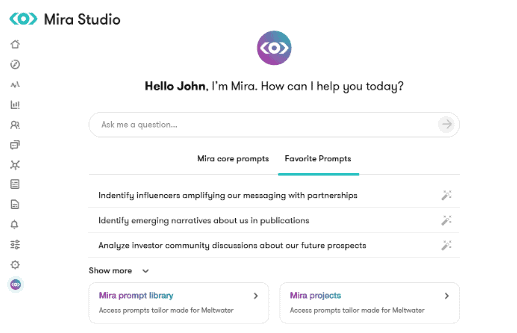
Meltwater offers comprehensive analytics, reporting, and AI overviews. You can view sentiment trends, share of voice, and how your brand compares against competitors. Its dashboards let you benchmark brands, regions, or product lines. The Mira Studio AI assistant helps simplify data exploration. It tells you what’s currently happening on social channels and news outlets.
6. Brandwatch
Brandwatch is designed to track brand mentions at scale and turn them into actionable insights. It’s a social media monitoring tool. So businesses use it to understand what people are saying about them online.
Key features
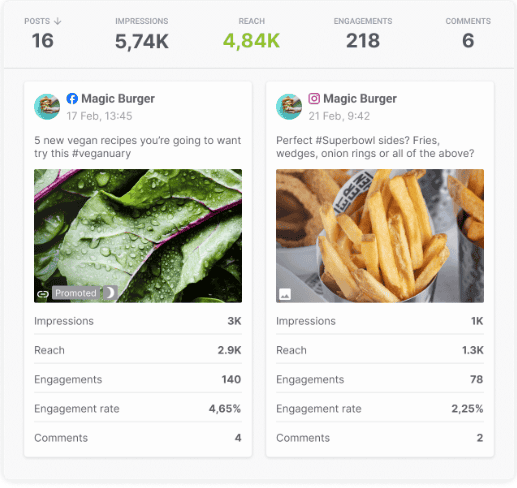
Brandwatch provides social data coverage. The platform monitors millions of social media conversations every day. Users also get access to a historical database of mentions. This means that you can see long-term changes in customer sentiment, how people feel about your brand and services.
The tool generates reports on followers, engagements, reach, and social share of voice. You can also track which content resonates most with your audiences. This gives you insight into what drives engagement.
For brands that care about spotting long-term shifts in conversation patterns, that historical view is what makes Brandwatch stand out.
7. Awario
Awario is a brand monitoring software designed for businesses that want robust monitoring without the high cost of enterprise tools. With its affordable plans and practical dashboards, Awario is often chosen by startups and small businesses looking to grow their online presence.
Key features
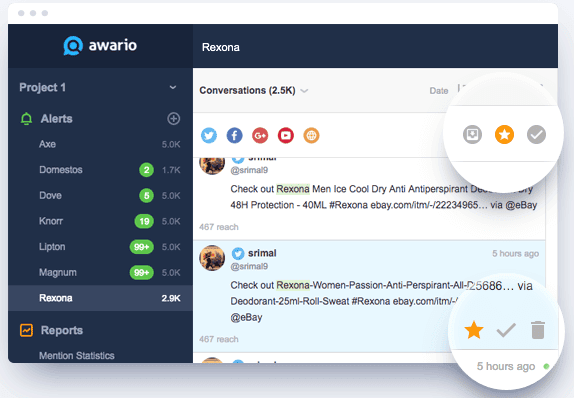
A feature that sets Awario apart is its leads tool, called Awario Leads. It identifies individuals who are actively seeking product recommendations or expressing dissatisfaction with competitors. This is useful for small businesses because it connects you directly with potential customers who are already interested.
Reach is another feature offered by Awario. It shows how many people are exposed to a conversation, helping you prioritize discussions with the biggest impact. By sorting mentions by Reach, you can focus your energy on marketing opportunities that drive faster increases in brand visibility.
Also, the platform keeps everything organized with handy folders. These folders group mentions into categories, shares, and retweets. You can also mark items as done or star them for later reference. This keeps your monitoring workflow clean, allowing you to focus on the most essential conversations without clutter.
8. Onclusive
Onclusive targets enterprises that need multi-channel coverage. Every day, it tracks over 6 million articles and supports monitoring in 104 languages. It’s ideal for companies that want to understand how international customers view them.
Key features
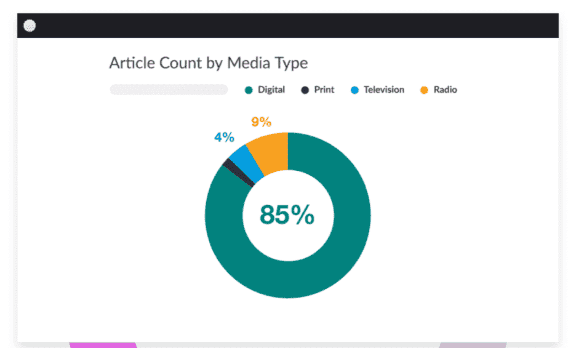
Onclusive comes with real-time media monitoring powered by AI and machine learning. Its proprietary crawler scans millions of articles and mentions every month. It analyzes tone of voice, sentiment, and keywords. This means that you don’t just see when someone mentions your brand. You also get context on how they’ve covered the mention.
And let’s not forget about its reporting and briefings. Onclusive offers custom media briefings tailored to your business needs. The company’s editors can organize coverage by brand, topic, media type, and internal audience. Media briefings highlight summaries and editorial comments, keeping stakeholders informed.
That makes Onclusive a stronger fit for large organizations that need monitoring insights packaged clearly for multiple internal teams.
How to choose the right brand monitoring tool
There are several factors to consider when selecting a brand monitoring tool for your company. Every tool comes with its own features. However, these may not always align with your business goals.
The key is to pick one that helps you manage your brand reputation and connects smoothly with what you’re already using.
The best option isn’t always the one with the most features. A simpler platform often wins if your team can act on it faster, read reports without friction, and actually use the data day-to-day.
Match it to your goals
First, define what you want to achieve. If you’re looking to target new audiences, it’s best to choose a brand monitoring software that includes social listening and influencer tracking. That way, you can connect with influencers within your niche so they can help you create new connections.
Take a quick look at the company’s case studies. They’re like blog posts. But they show real clients, goals, and outcomes. Scan for before-and-after results, metrics (traffic, leads, revenue), timelines, and how the team solved the problem.
Evaluate pricing and scalability
Startups may benefit from free or affordable options. Larger companies may need enterprise-level tools. Ensure the platform scales as your data grows. Businesses already using website builders or other marketing tools should verify if these can integrate with the brand monitoring platform they plan to use.
Request trials and check the refund policy
Most brand monitoring tools offer free trials or demo versions. Take advantage of them before committing. Use the trial period to see how well the software tracks your brand name, product names, and keywords in real situations. Pay attention to how accurate the results are and whether the tool effectively filters out noise.
Alternatively, some platforms give you a money-back guarantee if the tool doesn’t meet your needs. This safety net makes it easier to test without risk. A reliable trial or refund option demonstrates the company’s confidence in its product, providing you with peace of mind when selecting the right tool.
Ready to take control of your brand reputation?
Brand monitoring tools are essential for protecting your reputation and identifying new growth opportunities. They track what people say about your brand, alert you to risks in real-time, and give you insights that help refine your strategy.
Whether you’re focusing on customer service, market research, or brand protection, the right tool will keep you one step ahead.
If your goal is stronger branded visibility in search, monitoring conversations is only one part of the bigger strategy.
Ready to turn these insights into measurable growth? Book a call with uSERP and discover how we can help enhance your visibility and establish a stronger brand presence.