




SEO involves more than keywords, backlinks, and technical optimization. Visual content can also help brands expand their reach, attract relevant backlinks, and strengthen their online presence.
However, social media design offers more than visual appeal. It can influence how people engage with and share your content, creating additional opportunities for other websites to discover and reference your work. In other words, it plays a real role in your SEO performance—even if it’s not a direct ranking factor.
That’s the real power of design in social media. It sits at the intersection of content marketing, branding, and SEO. It turns ordinary content into something people want to interact with—and more importantly, something they want to reference and link to.
This guide explains how to use social media design for SEO, create visuals worth referencing, and turn content distribution into potential backlink opportunities.
Highlights
- Social media design directly supports SEO by driving engagement, shares, and backlinks. Well-designed visuals attract attention, increase clicks, and amplify content reach, which leads to more link opportunities and brand visibility over time.
- Visual content earns backlinks because it simplifies information and builds trust. Infographics, data visuals, and clear graphics make content easier to understand and reference, increasing the chances that other websites will cite and link to it.
- High-performing formats like carousels, infographics, and data cards boost shareability and discoverability. These formats keep users engaged longer, encourage saves and shares, and expose your content to a wider audience that can generate backlinks.
- Strategic social media design requires clarity, data, platform-specific formatting, and subtle branding. Simple, easy-to-scan visuals with credible data and consistent styling are more likely to be shared, embedded, and linked to.
- Consistency and systems (templates, design systems, content calendars) scale results and build authority. Over time, consistent visual content increases brand recognition, trust, and backlinks—turning social media design into a long-term SEO asset.
Why social media design for SEO matters
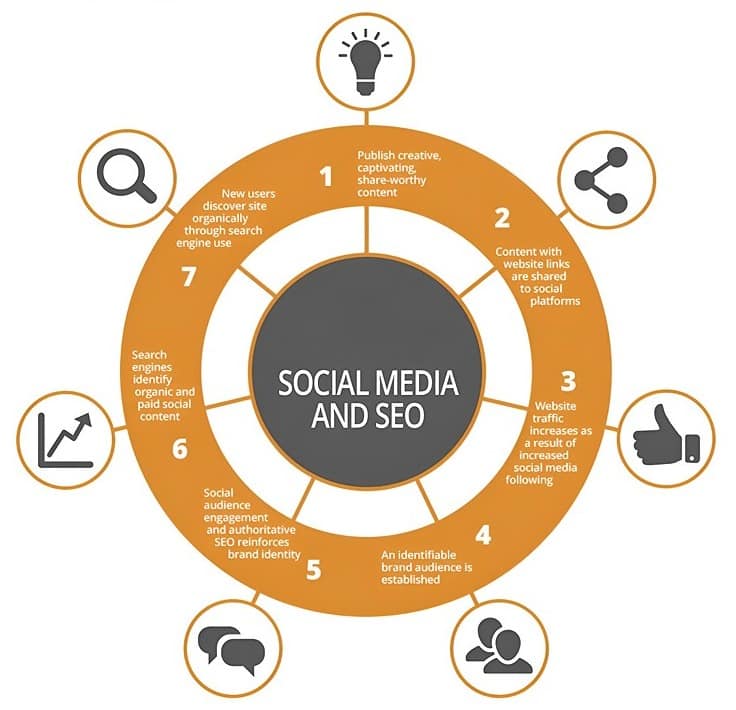
Visual content gives people additional ways to discover and engage with your brand. When a useful graphic reaches writers, bloggers, or journalists, they may reference it in their own articles and link to the source.
When your visual content is well-designed, people are more likely to stop scrolling, engage with your post, and click through to your website. That increased engagement sends positive signals—not directly to search engines, but to real users who can amplify your content further. This is where the SEO value begins to compound.
Think about it this way: a plain text post might get ignored. However, a clean, well-structured visual instantly communicates value. It can also help establish trust. And when users trust your content, they are far more likely to reference, link to, or share it in their own content.
Consistent visual branding can make your content easier to recognize when audiences encounter it across different platforms.
How visual content drives backlinks (The real mechanism)
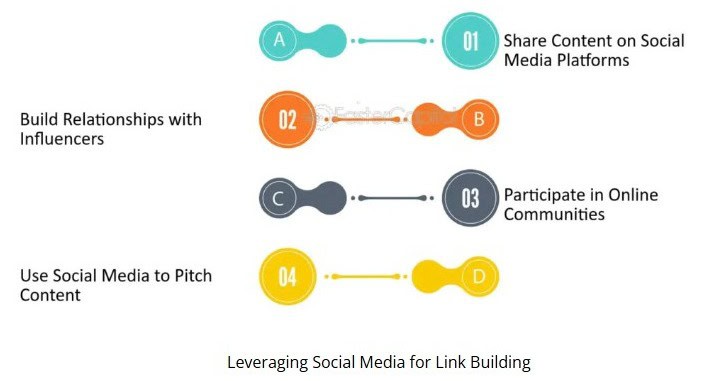
Backlinks don’t just happen randomly. People link to content because it’s useful, clear, and easy to reference. That’s where social media design can give you an advantage.
When you present information visually, you reduce the effort required to understand it. A well-designed infographic or chart can explain something in seconds that would take paragraphs of text. That convenience is what makes people want to link to it.
To create backlink opportunities, publish the original visual on your website and share it across relevant social platforms. When writers discover the graphic, they can reference the original page rather than linking only to the social media post.
Another key factor is credibility. Clean, professional visuals make your content look more trustworthy. Clear visual presentation can make information easier to evaluate, but publishers also need reliable sources and accurate information before citing a resource.
Visual content also increases the chances of being embedded. For example, if you create high-quality infographics, different domains may include them in their articles. Many will credit your site as the source, giving you a natural backlink without outreach. This particular method is also known as social backlinking.
Types of social media design that drive SEO results
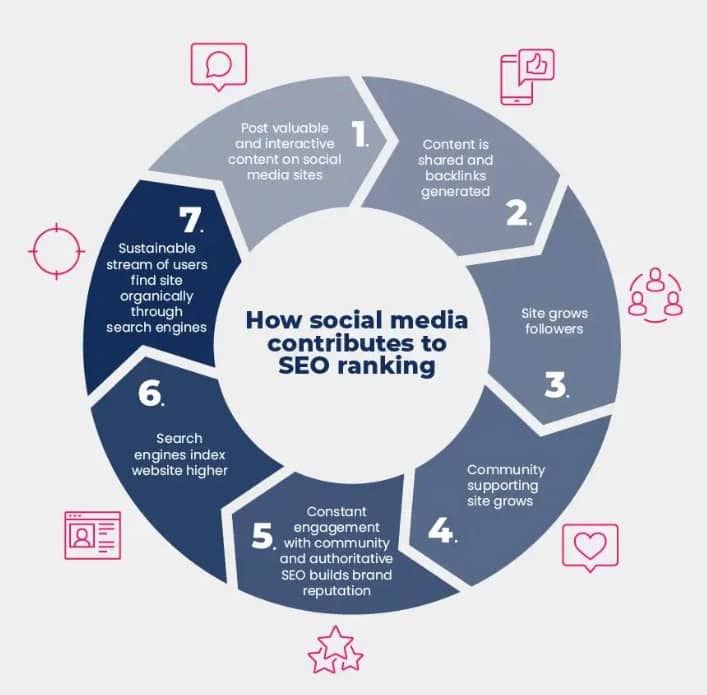
Not all visual content performs equally. Some formats are far more effective at generating engagement, shares, and backlinks. Understanding these formats can help you focus your media design efforts where they matter most.
Carousel posts (High engagement + shareability)
Carousel posts are among the most effective formats because they keep users engaged for longer. Each slide adds new information, encouraging users to swipe through the entire post.
According to Socialinsider’s 2026 LinkedIn benchmark study, native document posts achieved an average engagement rate of 7% per impression among the business pages analyzed. Presenting related information across consecutive slides can encourage users to explore the full post.
These posts work especially well for:
- Step-by-step guides
- Frameworks
- Tips
For example, a carousel explaining five common SaaS SEO mistakes can deliver real value in a simple, digestible way. Users often save these posts for later, which further increases reach.
From an SEO perspective, more reach means more chances for bloggers, writers, and marketers to discover your content and link to it.
Quote graphics (Authority boosters)
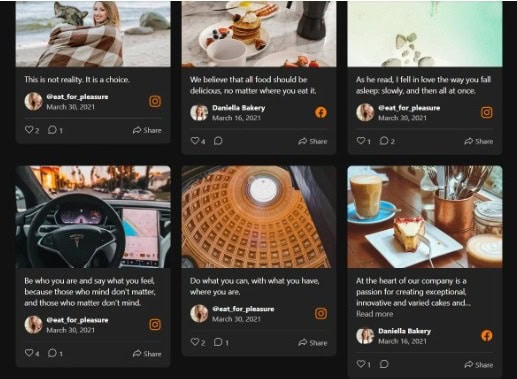
Quote graphics may seem simple, but they can be incredibly powerful when used correctly. A strong insight presented in a clean visual format can spread quickly across social platforms.

The key here is originality. Instead of using overused quotes, focus on sharing your own ideas or unique perspectives. This positions your brand as a thought leader rather than just a content curator.
Infographics (Backlink engines)
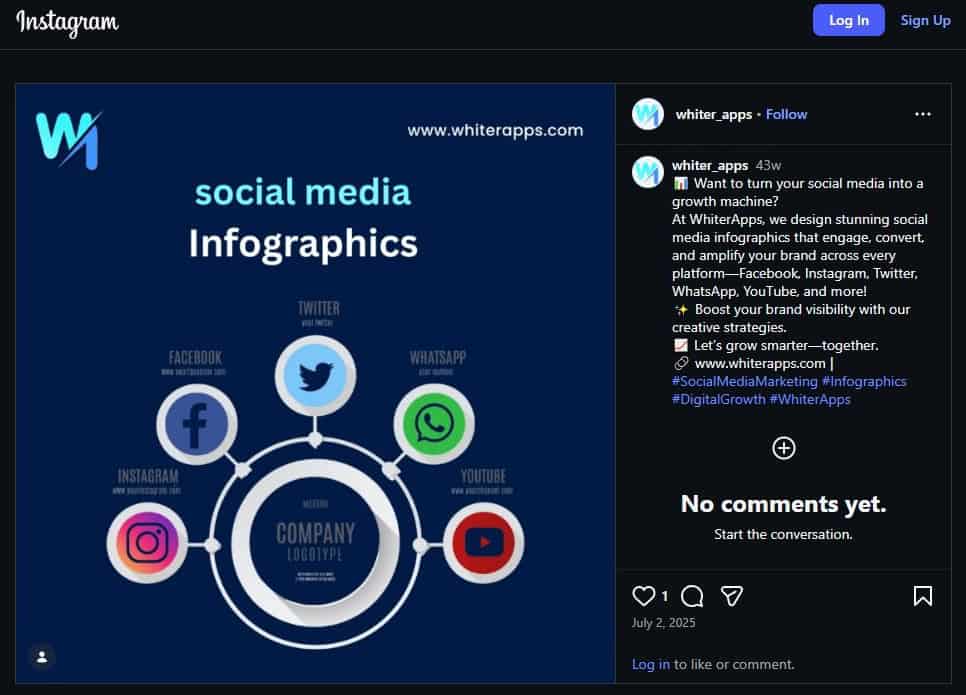
Infographics save readers time by presenting information in an easy-to-scan format. They combine data, storytelling, and visuals into a single asset that is easy to share and embed.
The reason is simple. They save time. Instead of reading a long article, users can quickly understand the key points through visuals. This makes infographics highly attractive for bloggers and publishers looking to enhance their content.
If you create high-quality infographics consistently, they can become a long-term source of backlinks.
Short video thumbnails (Click drivers)
Video content is growing rapidly, but many people overlook the importance of thumbnails. A well-designed thumbnail can significantly impact whether someone scrolls past or clicks on your video.
Strong thumbnails use bold text, clear imagery, and high contrast to grab attention. They communicate the video’s value and can encourage viewers to click.
An effective thumbnail can help attract viewers to your video. Directing interested viewers to a relevant resource on your website creates another opportunity for them to discover and reference your content.
Data cards (Highly linkable)
Data cards are simple visuals that highlight a single statistic or insight. They are easy to create but highly effective because they are quick to consume and easy to share.
For example, a visual showing a key marketing statistic can quickly spread across social platforms. Bloggers and writers often use these stats in their articles, which creates opportunities for backlinks.
How to use social media design for SEO and backlinks
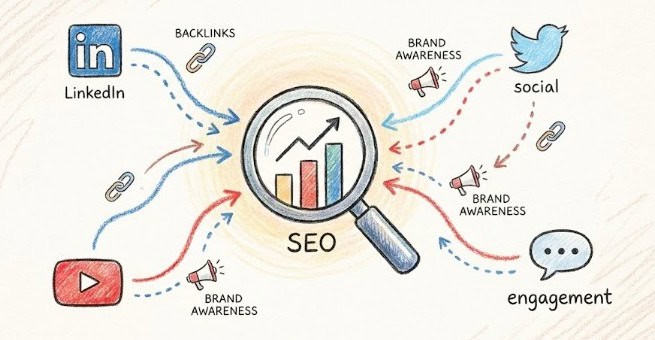
Creating good-looking visuals is not enough. If you want your social media to generate backlinks, it needs to be strategic.
Focus on clarity first
The most important rule in design is clarity. If someone cannot understand your visual quickly, they may scroll past it without engaging.
This means using simple layouts, clear fonts, and minimal text. Do your best to avoid clutter and focus only on one key message per visual. Clear visual presentation makes information easier for readers to understand and for other publishers to reference.
Use data whenever possible
Reliable data gives readers information they can verify and reference. Clearly identify the source of any statistics or research findings you include.
Whenever possible, include data from reliable sources or your own research. Then present it visually using charts, graphs, or data cards.
This transforms your social media into a valuable resource, not just a visual asset.
Add branding subtly
Branding is important, but it should not overpower the content. The goal is to make your visuals recognizable without making them feel like ads.
Include your logo, colors, and website URL subtly. This ensures that even when your content is shared, people can trace it back to your brand.
Over time, this builds recognition and authority.
Design for each platform
Each social platform has its own style and audience expectations. A design that works on Instagram may not perform well on LinkedIn or Twitter.
For example, Instagram favors bold, visual content, while LinkedIn prefers more professional and informative designs. Adapting your visuals to each platform increases engagement and reach.
This makes your social media more effective across different channels.
Make content easy to share and embed
If you want backlinks that boost SEO and build authority, make your content easy to use. Provide high-resolution versions of your visuals and consider adding embed options on your website.
Providing accessible versions of your visuals makes it easier for other publishers to reuse them and reference the source.
Managing social media design at scale
Consistency is key to building authority. But maintaining consistent social media at scale requires systems and processes.
Build a design system
A design system includes your brand’s colors, fonts, layouts, and visual style. It ensures all your content looks consistent, no matter who creates it.
Consistent visual presentation makes your brand easier to recognize across platforms.
Use templates
Templates allow you to create content faster while maintaining quality. Instead of starting from scratch every time, you can reuse proven layouts.
This makes it easier to scale your content production without sacrificing consistency.
Plan with a content calendar
A content calendar helps you align your visuals with your overall marketing and SEO strategy. Instead of posting randomly, you can plan content around specific topics and goals.
This ensures that your social media supports your broader business objectives.
Repurpose content
Repurposing is one of the most effective ways to scale content. You can turn a single blog post into multiple visuals, including carousels, infographics, and data cards.
This increases your reach without requiring additional effort.
Track performance
Track shares and saves to understand how audiences engage with your visuals. Use referral traffic data to identify which social platforms send visitors to your website, then monitor whether the pages featuring those visuals attract new backlinks.
Compare the date of each social post with the dates when its source page earns new backlinks. Shares alone do not prove a link was earned, so record the source page and linking site together when you report results. If the source page earns links, review the referring pages to see whether they actually cite the visual.
Common mistakes in social media design
Many businesses invest in social media but fail to see results because they make simple mistakes.
One common mistake is focusing too much on aesthetics and not enough on value. A visually appealing design is useless if it does not provide useful information.
Another mistake is inconsistency. If your visuals look different every time, people will have a harder time recognizing your brand.
Overbranding is also a problem. When visuals feel too promotional, people are less likely to share them.
Avoiding these mistakes can significantly improve your results.
How social media design builds brand authority
Authority is built through consistency, value, and visibility—and social media plays a role in all three.
Consistent visuals create a strong brand identity. Valuable content builds trust, and increased visibility leads to more recognition.
Over time, this combination positions your brand as an industry authority. And when people see you as an authority, they are more likely to link to your content.
This is how design translates into SEO success.
Final thoughts
Social media design for SEO can help brands expand their content reach and create opportunities to earn relevant backlinks.
Useful, well-designed visuals can help you:
- Increase engagement
- Build brand authority
- Earn backlinks
- Drive traffic
Focus on value, clarity, and consistency. Create visuals that people want to share, reference, and link to.
Want to turn shareable content into relevant backlink opportunities? Explore uSERP’s link-building services to learn how a targeted outreach strategy can support your SEO goals.