




The internet is completely flooded with content. Every company is fighting for the same few seconds of attention. This is why graphic design in marketing has become essential for survival. A strong visual is the fastest way to communicate your message. It builds trust, guides the customer, and makes your brand look professional.
Good design also helps you stand out in the noise. In this article, you’ll see exactly how strategic visual choices enhance performance across all your channels. We cover the tools, the smart creative decisions, and the practical workflows.
Let’s dive in.
Highlights
- Graphic design in marketing helps brands win the tiny moments where people decide to stop scrolling or keep moving. This makes visuals one of the biggest drivers of trust and attention.
- Clear, consistent visuals enhance the user experience across websites, ads, and social media, helping people to understand your message more quickly and progress toward the next step.
- Strong design systems, such as typography, color, and imagery, keep teams aligned, ensuring every touchpoint feels polished and intentional.
- Motion graphics and high-quality visuals enhance performance in fast-paced environments, such as social media, paid ads, and landing pages.
- Modern tools and streamlined workflows enable teams to create high-quality visuals at scale, transforming design into a practical engine for growth rather than a bottleneck.
The role of graphic design in marketing today
The online world is crowded. Every scroll brings something new, and people decide in a split second whether to stop or keep moving. This is why graphic design is key for marketers. It’s often the first moment a brand earns attention (or loses it). A single visual can spark curiosity and build trust before people even read your content.
People now expect visuals to feel clear and intentional. No matter where they see them. Good design helps people understand what they’re seeing, saves them time, and makes the next step feel natural. When visuals are consistent across your marketing channels, the entire brand feels more confident and put together.
How consumer expectations have changed
People get things faster now. They expect everything to load quickly, fit their screen, and make sense right away. If something feels messy or dated, they’re gone. With many mobile and web applications available, people judge the user experience in mere seconds. Sometimes, before they even look at the product.
They also expect visuals to feel alive. Think of tiny animations that guide the eye. Or clean icons that tell a story. This is where high-quality digital illustration makes a difference.. When one brand posts basic graphics, and another uses motion graphics, the difference is obvious. The stronger visuals usually win.
The role of visual identity and brand trust
Consistency builds confidence. Simple as that.
When a brand adheres to its branding design and uses a consistent color palette, people recognize it more quickly. That recognition feels familiar. It feels safe. And that often leads to action.
But when visuals clash, consumers might not trust your brand. This can happen if your website and social media ads don’t align in terms of their visual identity. Even if the product is great, the presentation weakens the message. Clear brand guidelines and simple templates are what keep teams aligned.
This is why having a distinguished logo design is so important. A really great logo helps customers spot a brand in crowded feeds, sometimes without even reading the name.

Core components of strong graphic design in marketing
Getting the big picture right is great, but the details are what make graphic design and marketing work hand in hand. It’s how the text, colors, and main brand visuals fit together. These core parts are the foundation.
Typography and layout that guide the reader
Typography refers to the visual appearance and feel of the text. It has a significant impact on how people perceive your information. Getting it right is critical, but it’s a massive, widespread problem. In a 2025 analysis on the accessibility of over 1 million home pages, WebAIM found that 79.1% had low-contrast text. This was the most common error, making content unreadable for many users.
When you get it wrong, you just cause confusion. Think about walls of text and clashing fonts. They make it harder to understand the message. This is especially true if you’re writing a landing page copy, where you need to make a clear point fast.
When you use the right typography, the text does the work for the user. There’s good contrast, simple fonts, and a clear hierarchy. These help audiences skim, find key ideas, and stay engaged.
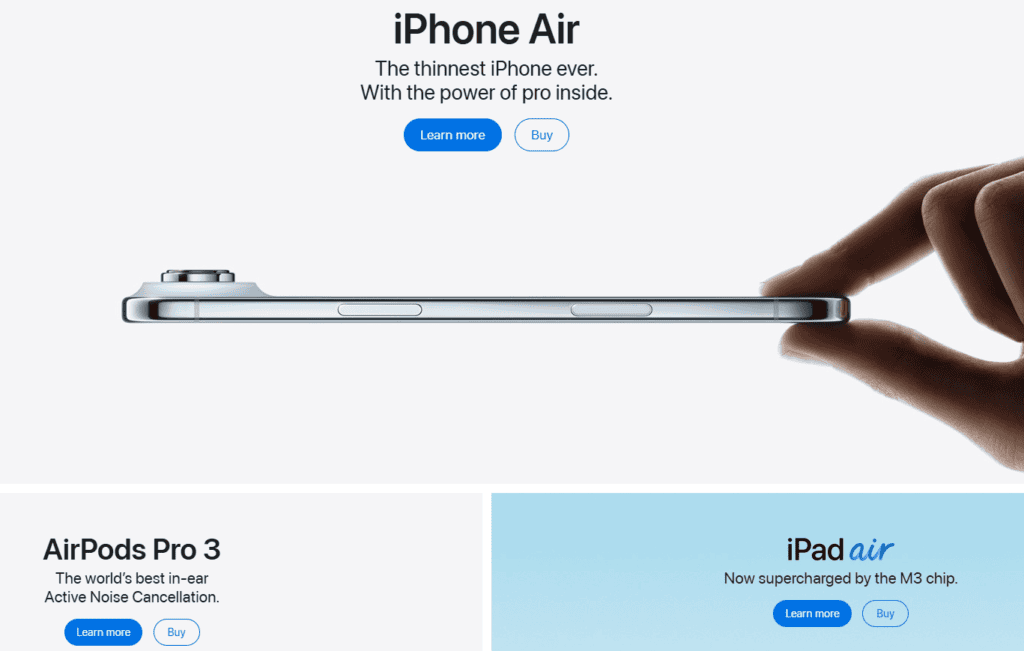
And Apple does this successfully. Its typography is clean and minimalist, as it uses big headlines, generous white space, and body text that’s easy to read. It also matches the brand tone: modern, premium, and user-focused.
Color, imagery, and visual tone
Color helps set the mood. Brands that select a consistent color palette for their website, social media ads, and billboard advertisements tend to create a stronger emotional connection with their audience. People start to feel a certain way about the brand just by seeing its colors.
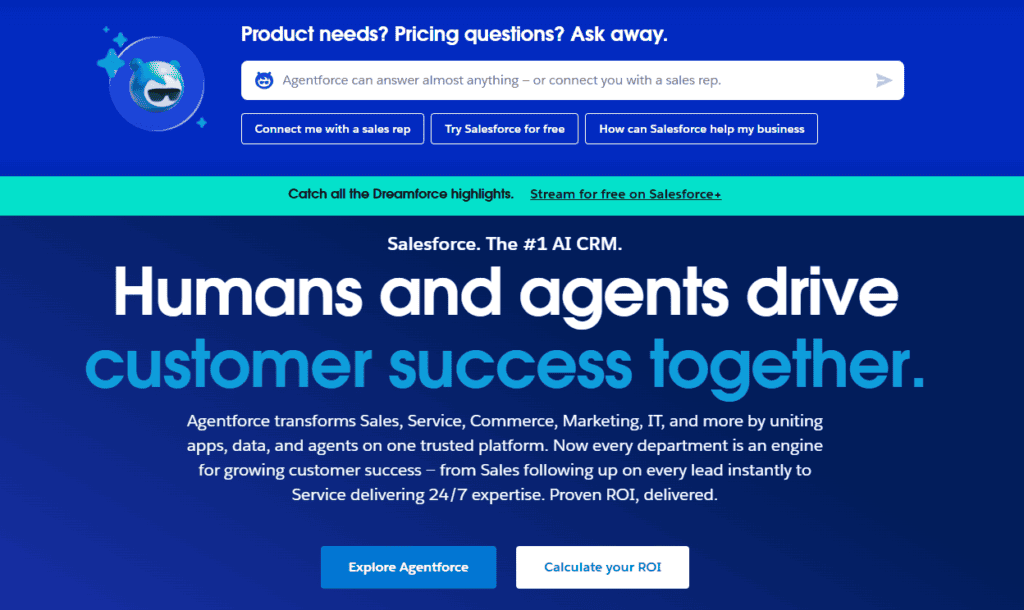
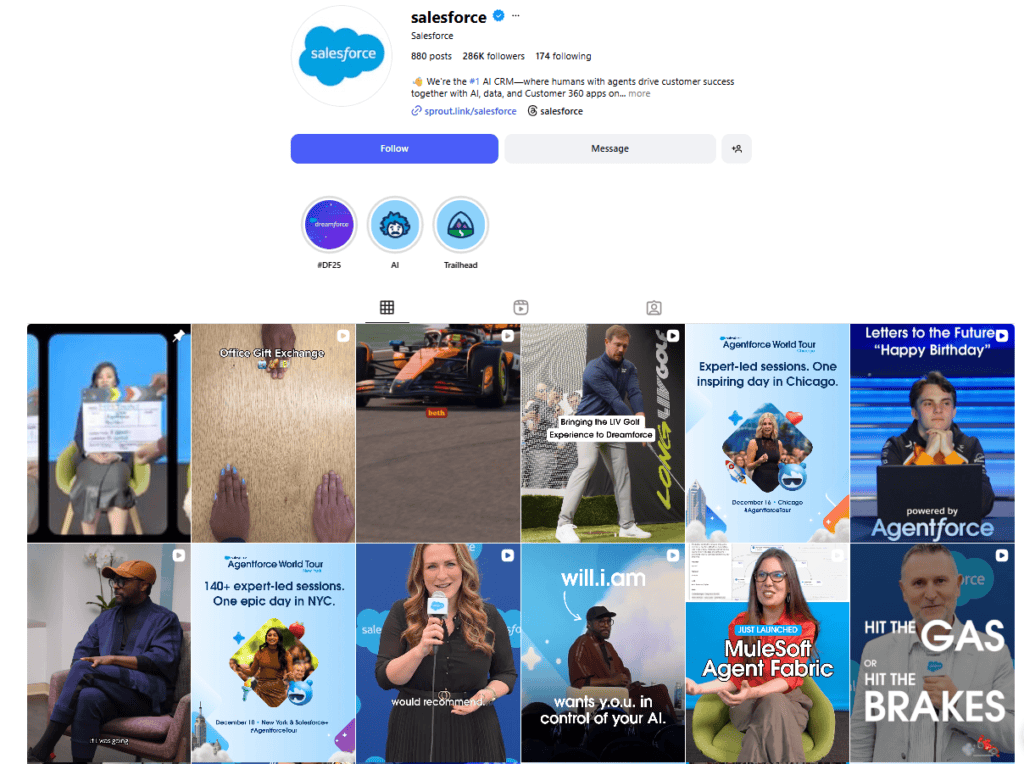
You often see this with tech companies. Many use shades of blue because it makes their products feel trustworthy, secure, and reliable.
Salesforce is one company that does this. It uses the same color combination across its website and Instagram feed.
Brand assets that support consistency
Brand assets are the reusable pieces that keep everything aligned. Think of your logo mockup files, ready-to-go templates, like a simple brochure template when you need one, and the brand identity guidelines your team relies on. These tools help everyone create content faster without affecting quality.
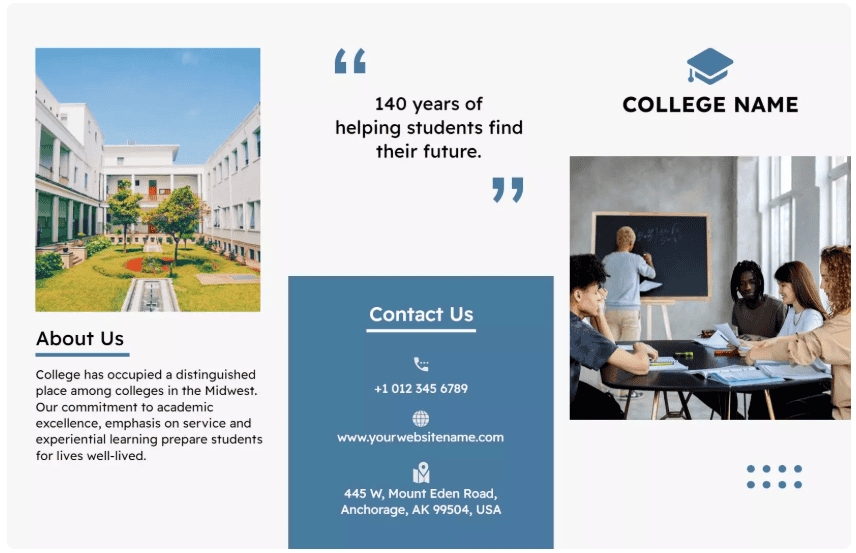
For instance, a restaurant chain might use pre-approved social media templates. This allows local managers to post specials quickly while maintaining the brand’s look.
That same consistency applies to physical assets, such as using custom mailing bags for an e-commerce store to enhance the brand experience.
Where graphic design delivers the strongest marketing impact
Strong design shows its power in the places where people make quick decisions. These moments happen everywhere—on social media, inside ads, on your website, and even in print.
Some of these spaces move fast. Others give you more room to breathe. But each one depends on visuals that feel clear, human, and intentional.
Social media and short-form content
People spend a lot of time on social media. As of early 2025, the global average was 141 minutes per day, according to Statista. That’s over two hours.
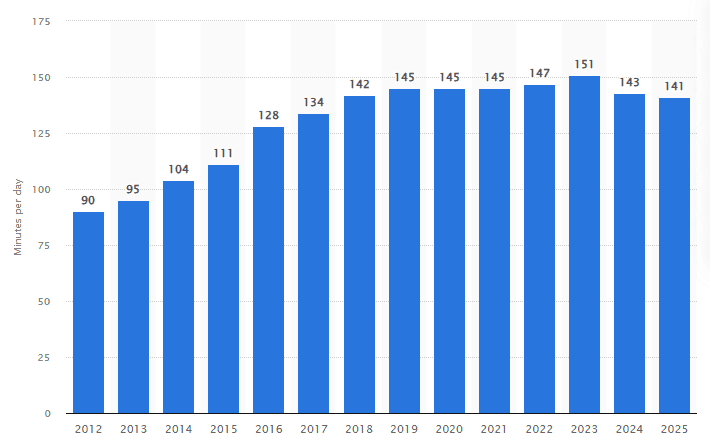
But here’s the catch. Most of that time, they’re just scrolling. Your visual is often the only thing that can stop that scrolling. As you can see, social media is very demanding. You only have a second, maybe two, to capture that attention.
And that’s why your content has to be “fast.” It needs to be understood right away.
Motion graphics may help. That little bit of movement catches the human eye. It’s different. And it breaks the pattern of that endless, static feed.
Ad campaigns and digital marketing ads
Paid ads don’t get much time. High-quality photos and strong contrast help get attention fast. They also help the message land faster.
When the design supports the copy, people understand what you’re offering. And that quick moment of clarity can immediately turn into a click.
Print and editorial design
Print may not matter everywhere, but in stores, offices, and conferences, print materials still shape first impressions. A good print design helps brochures, posters, packaging, and catalogs look professional.
When a company maintains consistent visuals across print and digital channels, something positive happens. The whole brand feels connected. Someone might see a poster, then visit the website later, and everything looks like it belongs together.
Landing pages
Landing pages need to feel simple. People usually arrive with a goal, and good visuals help them find it faster. Clear spacing and a readable layout make the page easier to scan.
Strong web design guides visitors from one idea to the next. It also directs them toward the call-to-action button in a way that feels natural, not forced. (Aim for personalized CTAs to help build trust and boost conversions through your landing pages.)
Modern tools and workflows for teams using graphic design in marketing
How does all this design actually get made? Great work takes more than raw talent. It needs the right tools. It also requires the creative team to work together.
Good systems are what keep the work flowing smoothly.
Design tools and design technology teams rely on
Most teams today live in tools like Figma or the Adobe suite. This design technology is where all the work happens. It lets everyone design, comment, and share files all in one place. It just makes things faster. And now, new AI tools are also popping up. They help speed up the small, repetitive tasks.
Working smoothly in a team setting
Design doesn’t happen in a silo. A good team setting is all about communication. It’s where designers, marketers, and writers are actually talking to each other. When they work in silos, you get chaos. Clear communication and solid project management are vital. It’s the only way to make sure everyone is working toward the same goal.
Best use cases for graphic design in marketing (2026 edition)
We’ve seen where design hits the hardest. Now, let’s look at the specific jobs design does. Think of these as the most critical tasks for a creative team in 2026. These are the projects that pull all the other marketing efforts together.
Brand identity systems
Brand identity forms the foundation of visual strategy. It defines the entire playbook for how your brand looks and feels everywhere. Developing a brand identity is the core visual DNA.
This includes the logo, the exact color codes, and the specific fonts. However, it also establishes the guidelines for their use. These rules create your branding strategies. These make sure every single piece, from a business card to a website or an Instagram infographic, follows the same brand identity guidelines.
Web and social media graphics
This is the daily grind. The content machine. Digital marketing runs on a constant stream of new stuff. Teams need a lot of graphics for blog posts, email headers, and social media promotions.
The key here is speed. You can’t spend three days on one graphic, which is why templates can be beneficial in this case. They let marketers create high-quality, on-brand graphics fast, without having to start from scratch every single time.
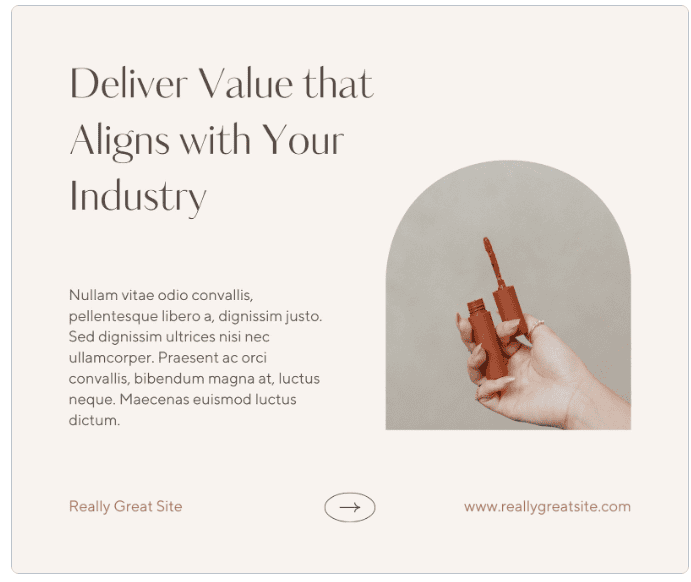
Screenshot provided by the author (Canva)
Landing pages, product pages, and mobile apps
This use case is all about conversion. It’s where the money is. The design here has one job: To get the click. In mobile and web applications, visuals serve as the primary navigation. They aren’t just for looks. A clean layout and clear icons clearly indicate where to tap next.
Good design removes friction. It makes the path to purchase feel easy and obvious. This is what guides the user’s eye right to the product page (and hopefully to the checkout page as well). A lot of work goes into making these pages look simple.
For example, designers often need to remove backgrounds from images to ensure the product stands out and the entire page feels uncluttered. This simplicity is what drives action.
Ready to elevate your marketing with a stronger design?
Graphic design in marketing does more than make your website, social ads, and brochures look nice. It’s the first thing people notice, the reason they stop scrolling, and often the moment they decide if your brand is worth their time. When your visuals are consistent and relevant, everything else becomes easier:
- Your messaging
- Your conversions
- Your ability to stand out in a crowded feed
Strong design builds trust. And trust drives growth.
If you want to build a sharper brand image, we’re here for that. Our team at uSERP builds SEO and content strategies powered by design that actually move people. We help brands increase their visibility, establish authority, and create marketing assets that deliver real-world results.
Book a strategy call now. And let’s turn your marketing into something people remember. Something that gets results.