




Publishing content used to be enough. You’d do some keyword research, hit publish, and wait for traffic.
That basic approach is no longer enough in most competitive search environments.
Today, every piece of content competes with thousands of others in the same search results.
A strong content SEO checklist changes that. It helps you go beyond basic search engine optimization and focus on what actually drives results:
- Visibility in AI-driven answers
- Rankings
- Links
Search has changed. It’s no longer just about ranking on search engine results pages. Your content also needs to create link-building opportunities and appear in AI summaries, featured snippets, and zero-click results.
That’s where structure comes in. A repeatable checklist gives your team a clear process for every piece of content, from planning to publishing.
Use it right, and your website content becomes more consistent, more visible, and far more valuable over time.
Highlights
- A structured content SEO checklist helps you create consistent, high-performing content that ranks, earns backlinks, and shows up in AI search results.
- Matching search intent, covering entities, and optimizing structure are key to improving visibility in modern search engine results pages.
- Small on-page improvements, like meta tags, internal links, and clear formatting, can significantly boost traffic and engagement over time.
- Optimizing for featured snippets and AI answers increases your chances of being surfaced, even in zero-click searches.
- SEO is an ongoing process, so updating and refining is what turns each piece of content into a long-term asset.
Why a content SEO checklist matters in 2026
Content is everywhere now. Every brand is publishing, and every niche feels crowded. That makes it harder to stand out in the SERP, even if your content is of high quality.
At the same time, search engines keep changing.
Google is pushing:
- Generative answers
- AI-driven results
- Summaries
This means that your content isn’t just competing for clicks anymore. It’s competing to be selected, quoted, or surfaced without a click.
This is where a content SEO checklist becomes essential. It gives your team a clear system. Without it, every post feels different. For example, if one writer focuses on meta tags while another forgets internal links, the process ends up lacking consistency.
Structure fixes that. When every piece of content follows the same process, it becomes easier to scale and easier for users, search engines, and AI systems to understand. It also improves search engine rankings over time.
The ultimate content SEO checklist (core steps)
This is where things get practical. These steps walk through the full process, from planning to publishing and beyond.
Think of it as a system you can reuse for every piece of content. It covers pre-writing, writing, and post-publishing, but not every step carries the same weight.
Start with search intent, content quality, crawlability, and internal linking because weaknesses in those areas can limit the impact of smaller improvements such as schema, media formatting, or snippet optimization.
With those priorities in mind, begin by confirming that the page matches what searchers actually want.
Step 1: Match search intent before writing
Before you write anything, stop and check intent. What is the user actually looking for? Is it informational, commercial, or transactional?
Open the top-ranking pages in search results. Look at their format. Are they guides, listicles, or product pages? That tells you what Google expects.
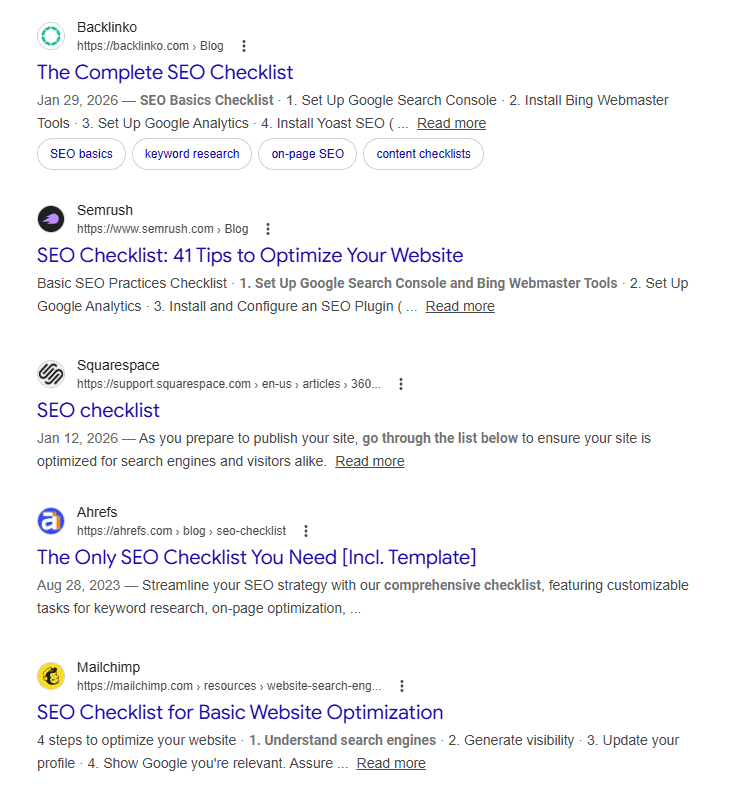
Screenshot provided by the author
If your format doesn’t match what people are actually looking for, it’s going to be hard to rank, even if the content itself is genuinely good.
Say searchers consistently want a quick list, but you publish a long guide instead. It’s going to struggle no matter how well written it is.
Get the format right first, then build the content around it.
Step 2: Choose primary and secondary keywords strategically
Every page needs a clear focus. Start with one primary keyword, since that is what your content should rank for.
Then expand. Add long-tail keywords, LSI keywords, and related terms that support the topic. This builds depth and helps search engines understand context.
For example, if your primary keyword is “content SEO checklist,” your supporting terms might include “on-page SEO checklist,” “SEO content optimization steps,” or “blog post SEO tips.”
You can’t rely on a single term anymore. Search behavior keeps evolving. Google reports that 15% of the searches it processes each day are queries it has never seen before, reinforcing the need to cover a topic naturally rather than relying on one exact phrase.
Remember to write naturally and avoid stuffing. Use keywords where they fit, not where they feel forced.
Step 3: Map entities and topical coverage
Search engine optimization isn’t just about keywords anymore. It’s about entities. These are the people, topics, and concepts that impact how search engines understand your content.
Think beyond your main keyword. What related ideas should you include? What questions should you answer? This is how you build strong topical coverage.
For example, a general SEO checklist guide might also cover meta tags, internal links, structured data, and content quality. These signals help search engines understand the full context and increase your chances of showing up in featured snippets.
And research backs this up.
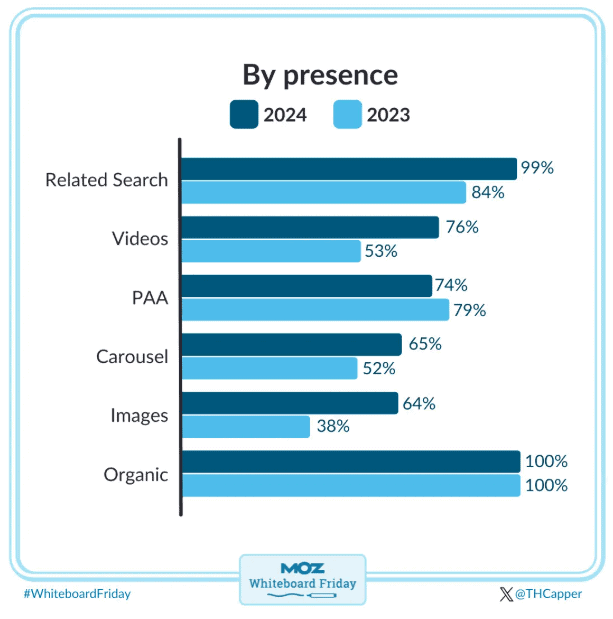
According to Moz, around 99% of search results include related searches. Features like People Also Ask appear in about 74% of queries, and video content results in over 50%. This finding shows how dominant SERP features have become.
Step 4: Craft a compelling, keyword-focused title
Your title is the first thing people see. It needs to be clear, direct, and worth clicking. Include your primary keyword, but don’t force it.
Think about what the reader gets. A strong title promises value, not just a topic.
For example, “SEO Competitive Analysis” is vague. But “SEO Competitive Analysis: A Step-by-Step Framework for Boosting Your Rankings” feels more useful.
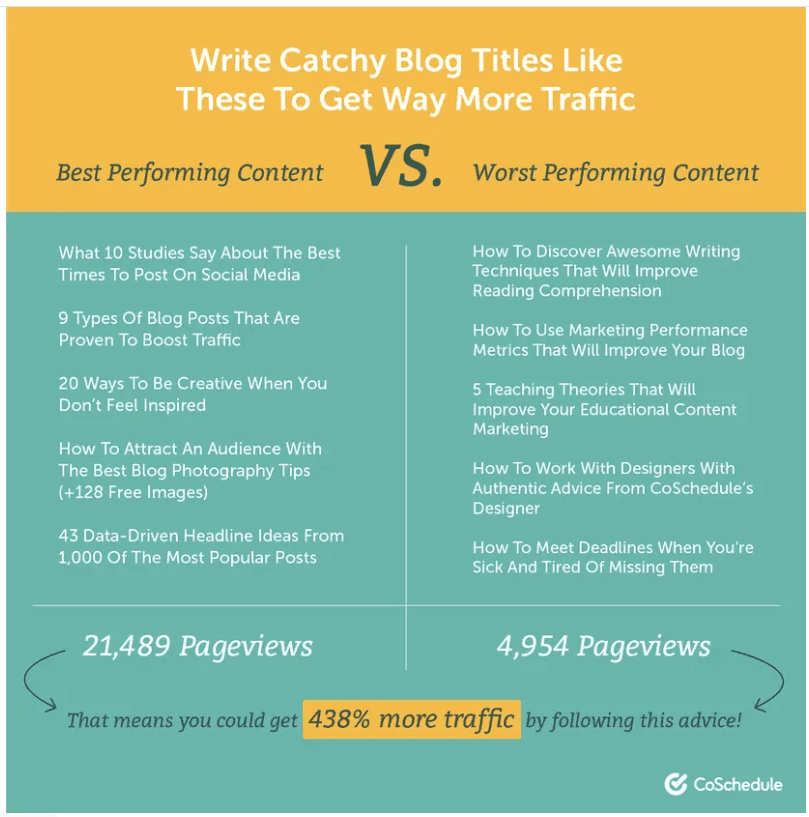
This approach helps you write for readers and click-through potential, not only for search rankings.
Step 5: Optimize the title tag and meta description
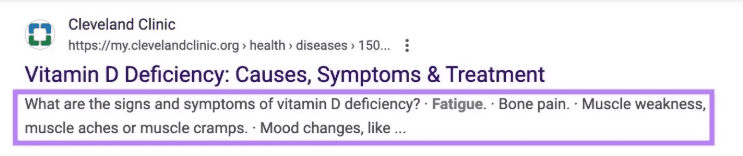
Your title tag and meta description are what people see in search results, and they can make or break whether someone clicks through. Keep the title clear about what the page covers. Use the description to quickly show why it’s worth their time.
Your title tag should include the primary keyword and a reason to click. And your description should explain the value fast.

Ranking higher matters a lot here. The top result can get up to 10x more clicks than lower positions, according to Backlinko.
For example, a weak description might say, “Learn about SEO.” However, a stronger one might say, “Follow a proven checklist to improve rankings, traffic, and links.”
Step 6: Structure content for readability and SEO
Good structure makes content easier to read. It also helps search engines understand what your page is about.
Use clear H2s and H3s and keep paragraphs short. Let ideas flow naturally.
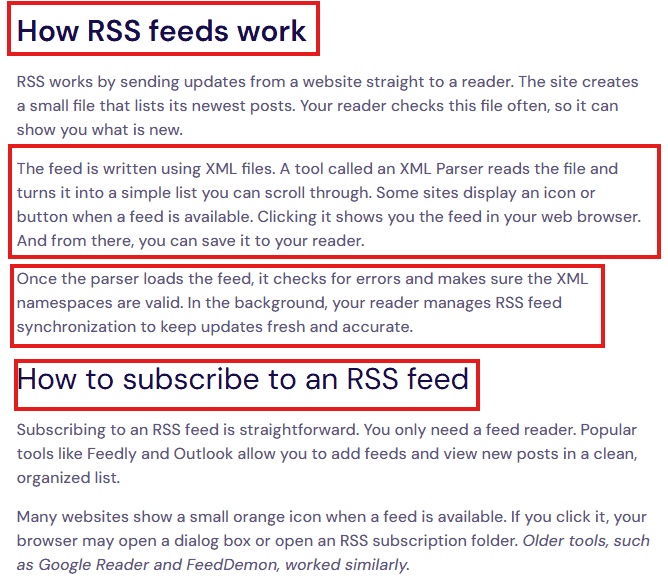
For instance, a long wall of text pushes readers away. But breaking it into sections with clear headings keeps them moving.
Step 7: Write for humans first, optimize second
It’s easy to overthink SEO. But people come first. If your content feels robotic, readers leave.
Write as you speak. Keep it clear and simple. Use keywords naturally and not in every sentence.
For example, repeating the same phrase over and over feels forced. Saying it once, then explaining it in plain language, feels real.
Step 8: Add internal links strategically
Internal links are links that help both search engines and humans move through your site. They connect your content and show what matters most.
Link to pages that add value and fit naturally within the flow.
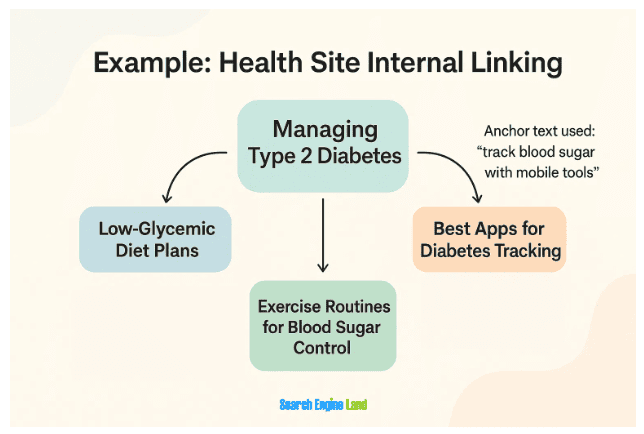
For instance, if you mention technical SEO, link to a related guide. It helps readers go deeper and strengthens your internal linking structure at the same time.
Step 9: Include external links to authoritative sources
External links build trust. They show real data, not just opinions, to back your content.
Use them to support key points. Link to studies, reports, or credible sites.
For instance, if you mention a statistic, link to the original source. It makes your content feel more reliable.
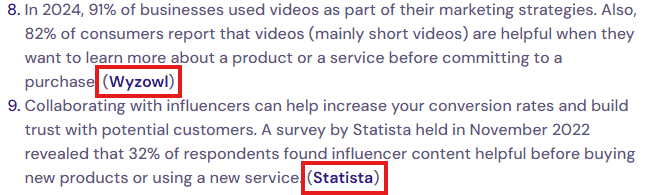
Just be selective. Avoid linking to direct competitors or low-quality pages.
Step 10: Optimize images and media
Images do more than look good. They affect speed, accessibility, and SEO.
Use clear file names and alt text so search engines understand what’s shown. AccessibilityChecker.org explains that search engines can’t interpret images visually. So they rely on alt text to understand content, which directly impacts SEO visibility.
Alt text also helps users who rely on screen readers.
For example, instead of “image1.jpg,” use “content-seo-checklist-example.jpg.” Then add a descriptive image alt text.
Also, compress images. According to Search Engine Land, large, unoptimized images can slow down pages and negatively affect user experience and overall SEO performance.
Step 11: Optimize for featured snippets and AI answers
Search doesn’t always lead to clicks anymore. Many answers appear directly in search engine results pages, especially through AI summaries and featured snippets.
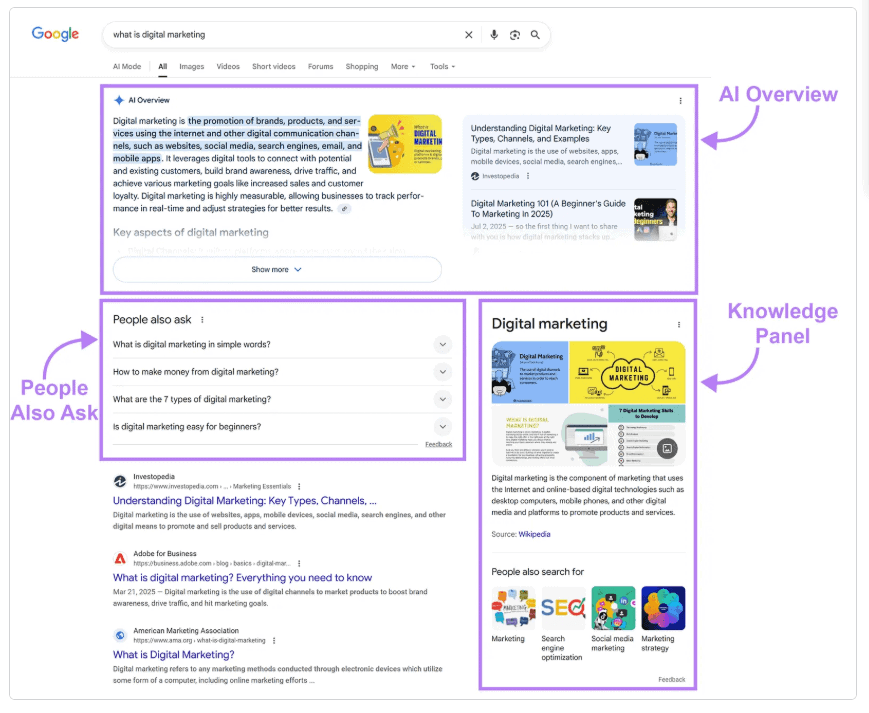
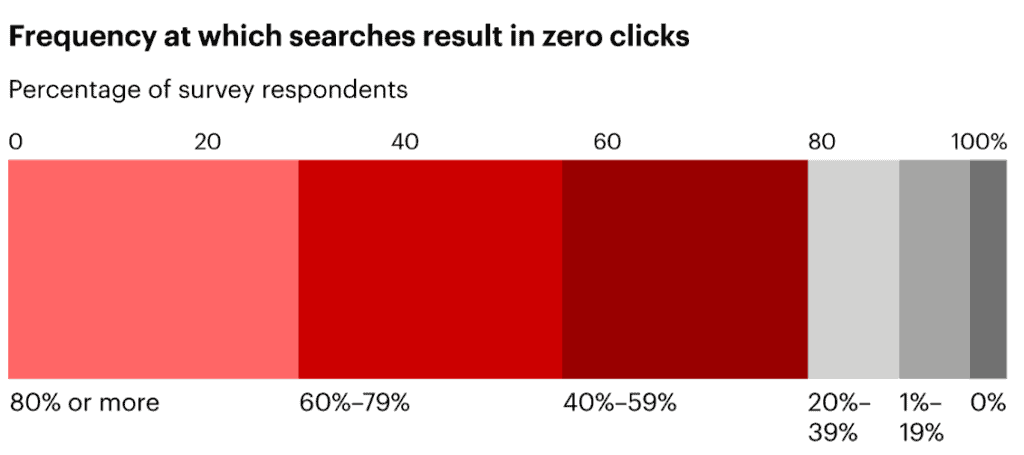
In fact, Bain’s research found that 80% of consumers rely on zero-click results in at least 40% of their searches. Bain estimates that this shift contributes to a 15–25% decline in organic website traffic.
Clear definitions and well-organized sections can make information easier for readers and search systems to understand, but they do not guarantee inclusion in a featured snippet or AI answer.
Place a concise answer near the relevant heading, then provide supporting context and detail below.
For example, if you’re defining a term, don’t hide it halfway down the page. Give a clean, one- or two-line answer near the top. Then go deeper after.
Step 12: Improve content depth and uniqueness
Thin content is easy to spot. It repeats what’s already out there and doesn’t add much.
To stand out, add context, explain decisions, and share what actually works. That’s what improves content quality.
For example, instead of listing content creation tips to generate good backlinks, show how you apply them. Walk through a real scenario or outcome.
That’s the kind of content people trust, and the kind they link to.
Step 13: Add clear and relevant CTAs
Good content keeps readers moving. A clear CTA tells them what to do next.
It should match why they came in the first place. So keep it simple and specific.
Here’s an example. If someone reads a guide, offer a next step, such as “Download the checklist” or “Book a demo.” Saying “Learn more” feels vague and easy to ignore.
Step 14: Check technical SEO basics
You can write great content and still struggle if the technical side is off. These basics support everything else.
Look at your URL structure, page speed, and mobile experience. Make sure search engines can crawl and index your page.
For example, a slow-loading page or broken setup can hurt search rankings, even if you post high-quality content.
Fixing these issues often brings quick wins.
Step 15: Update and refresh content regularly
After publishing, review the page when its data, examples, search intent, or performance changes.
Update the sections that are outdated or underperforming rather than changing content on a fixed schedule solely to refresh the publication date.
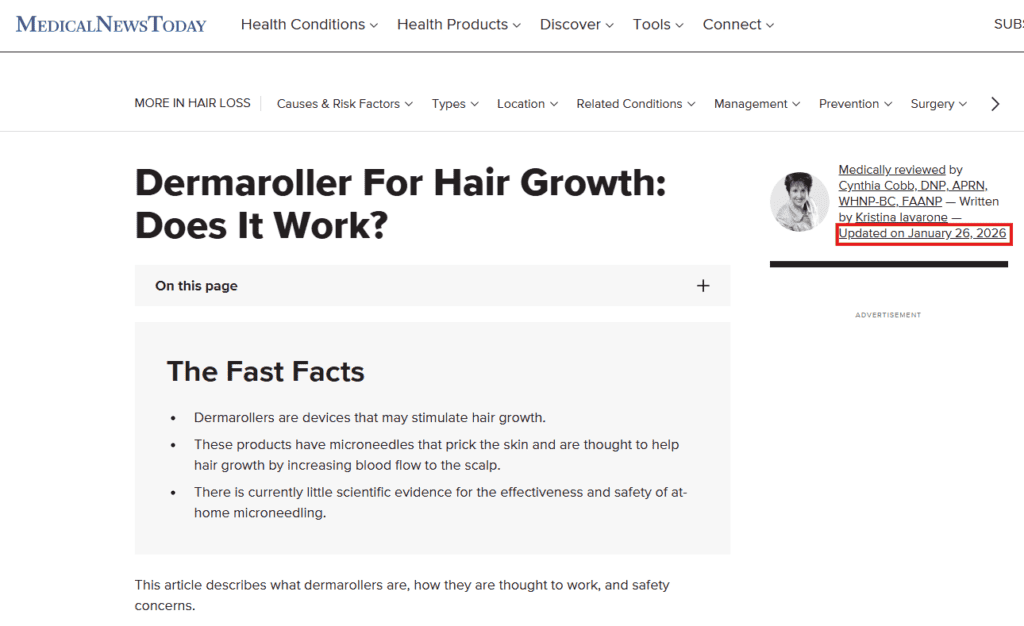
For example, updating an older post with new data or examples can help it rank higher.
Step 16: Prevent keyword cannibalization
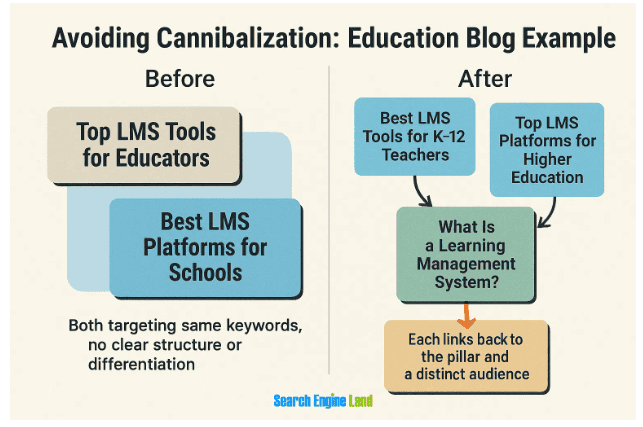
If two or more pages target the same query with similar intent, they can end up competing with each other instead of one clearly winning.
Before you decide what to do, look at each page’s purpose, how it’s ranking, and how many impressions it’s getting. Then figure out whether to combine them, redirect one to the other, or adjust them so they’re actually going after different intent.
For example, having two posts targeting “competitor backlinks analysis” can cause both to rank lower. It’s better to keep one strong page than two competing ones.
Step 17: Use structured data and schema markup
Structured data helps search engines understand your page and can open the door to rich results. Just make sure the markup matches what’s actually on the page and follows the search engine’s current guidelines. Doing it right gets you eligible, not guaranteed.
And don’t fall into the trap of thinking schema is some secret lever for AI visibility. Google’s generative AI features don’t need special markup, so treat structured data as one piece of your SEO work, not a shortcut.
Turn every post into a compounding SEO asset
A strong content SEO checklist brings consistency. It ensures every piece of content meets the same high standard. It helps drive steady growth in search rankings.
Over time, these small steps add up. Better structure, stronger signals, and clearer content all compound. One post improves the next.
That said, not every page deserves equal effort. Fix the big stuff first: things like intent mismatches, thin content, indexing issues, or confusing internal links. Once that foundation is solid, then you can worry about schema, snippets, and media polish.
This keeps the balance right. You’re not treating every checklist item as equally urgent or chasing traffic alone. You’re improving the areas that matter most while building visibility across search engines, earning links, and increasing your chances of appearing in AI-driven results.
If you want content that drives real results, uSERP can help. Book a call to build a strategy focused on rankings, authority, and growth.