




Link building looks different today. It used to be more about mass outreach and transactional placements. You sent a hundred emails and hoped to earn a link. Today, it’s about trust-driven relationships.
Many SaaS and B2B brands struggle to earn high-quality backlinks from reputable domains. Editors receive a lot of emails. And generic outreach gets ignored immediately.
For SaaS and B2B teams, that creates a bigger problem than just one missed backlink. It cuts off access to trusted publishers, limits how often your brand comes up in the right conversations, and means every new campaign has to start from scratch.
Relationship-based link building is a long-term strategy built on partnerships, credibility, and mutual value. It is not networking for visibility or buying links under a different name.
This guide covers how to build these partnerships and grow your organic traffic.
Highlights
- Relationship-based link building focuses on trust and real industry connections. It works better for long-term SEO growth than mass outreach and paid link placements.
- SaaS and B2B brands often earn stronger backlinks through podcasts, digital PR, and webinars. These relationships can also lead to repeat mentions and future partnerships.
- Brands that focus on credibility, relevance, and useful industry relationships often build more sustainable SEO growth. Trust helps create stronger editorial opportunities over time.
What relationship-based link building actually means
Relationship-based link building focuses on building trust and industry connections. These connections should happen before asking for guest post placements, brand mentions, or backlinks.
Moving beyond cold outreach
Mass outreach campaigns don’t always work. This is because most pitches sound the same. Editors and marketers receive dozens of backlink requests every week, so they tend to avoid replying to generic outreach email templates. An example is sending the same guest post pitch to hundreds of relevant websites with only the company name changed.
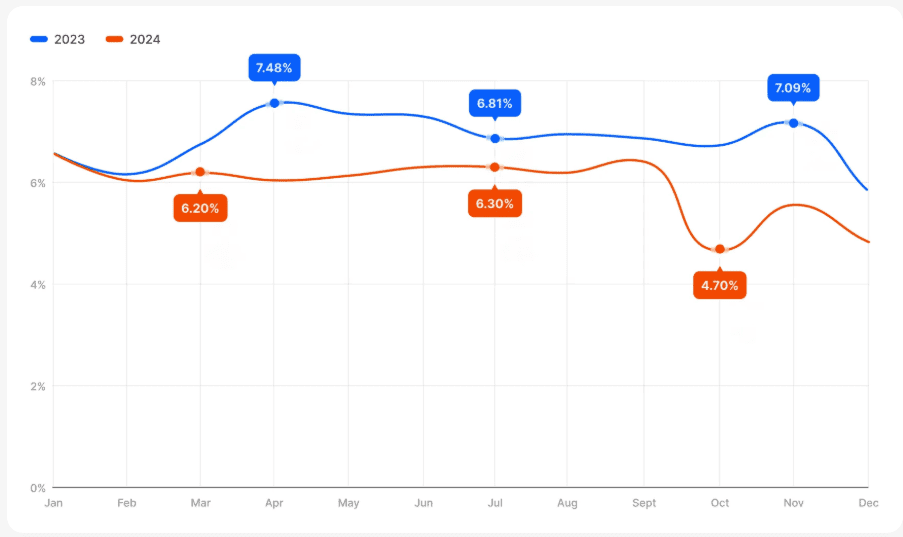
A 2025 Belkins study found that the average cold email reply rate dropped from 6.8% in 2023 to 5.8% in 2025. This shows how crowded inboxes have become.
Building trust before asking for links
Strong relationships rarely start with a backlink request. People respond better when they already recognize your name or brand. That can come from:
- Engaging with someone’s LinkedIn posts
- Sharing their article in a newsletter
- Supporting a product launch
- Leaving helpful comments
Take SaaS companies, for example. They may promote an industry report first. Later on, they may reach out about future collaboration opportunities.
Why this approach works well in SaaS and B2B
SaaS and B2B industries depend on three things. These are:
- Reputation
- Expertise
- Trust
Buyers often spend weeks or months researching solutions before making decisions. That makes the source, relevance, and domain authority of a link more important than the link itself.
A mention from a trusted SaaS publication, podcast, or analyst-style resource can support ranking, search visibility, and buyer confidence by placing the brand within conversations the audience already trusts.
As a result, trusted industry relationships create greater value over time. One strong connection can lead to:
- Research partnerships across several campaigns
- Newsletter mentions
- Repeat guest posts
- Podcast invites
Why relationship-based link building performs better than transactional link acquisition
Transactional link building focuses on fast placements. Relationship-driven SEO focuses on trust and long-term industry connections.
That difference often leads to:
- More consistent opportunities over time
- Better communication
- Stronger placements
You’re not treating backlinks like one-time deals. But you’re creating partnerships that continue producing value across content, PR, and audience growth efforts.
Higher response and placement rates
People respond more often when they recognize the sender. Familiar names create less resistance. This makes conversations easier from the start.
Take editors, for example. They feel more open to reviewing pitches from brands they’ve interacted with before. Take a marketer who’s engaged with an editor’s newsletter for months. They’ll often receive warmer responses than a stranger.
Better editorial placements
Trusted contributors often receive stronger placements than cold outreach contacts. That can include:
- Contextual links inside articles
- Podcast appearances
- Homepage mentions
- Co-authored content
- Newsletter features
Editors also feel more comfortable giving visibility to people they trust. For example, a SaaS founder who appears on an industry podcast may later get featured in the host’s resource hub.
Stronger long-term SEO value
Trusted mentions appear on high-quality sites. These links strengthen your backlink profile and build authority, referral traffic, and brand visibility over time. For example, a mention from a top industry resource keeps sending visitors to your site for years. The link stays active because it provides true value.
Lower risk compared to manipulative link tactics
Spam outreach, private blog networks, and low-quality placements carry high risk. They’re black hat SEO tactics.
Search engines can penalize those methods, and buying cheap links can put rankings, traffic, and brand credibility at risk. Relationship-driven links reduce that risk because they are more likely to fit long-term SEO goals.
The core principles behind successful relationship-based link building
Good partnerships require a solid foundation. You need specific rules to guide your outreach and build trust with top creators.
Relevance over volume
A few strong industry relationships often produce better link opportunities than hundreds of random contacts. Topical alignment helps both sides reach the right audience. This makes partnerships feel natural instead of forced. Relevance also improves placement quality.
A fintech SaaS brand will gain more from a trusted finance publication than from unrelated lifestyle blogs because the niche and audience match the link’s purpose.
Consistency matters more than one-time outreach
Relationship-building works best when people see your name frequently over time. This can happen through:
- Follow-up messages after collaborations
- LinkedIn conversations
- Conference panels
- Newsletters
- Webinars
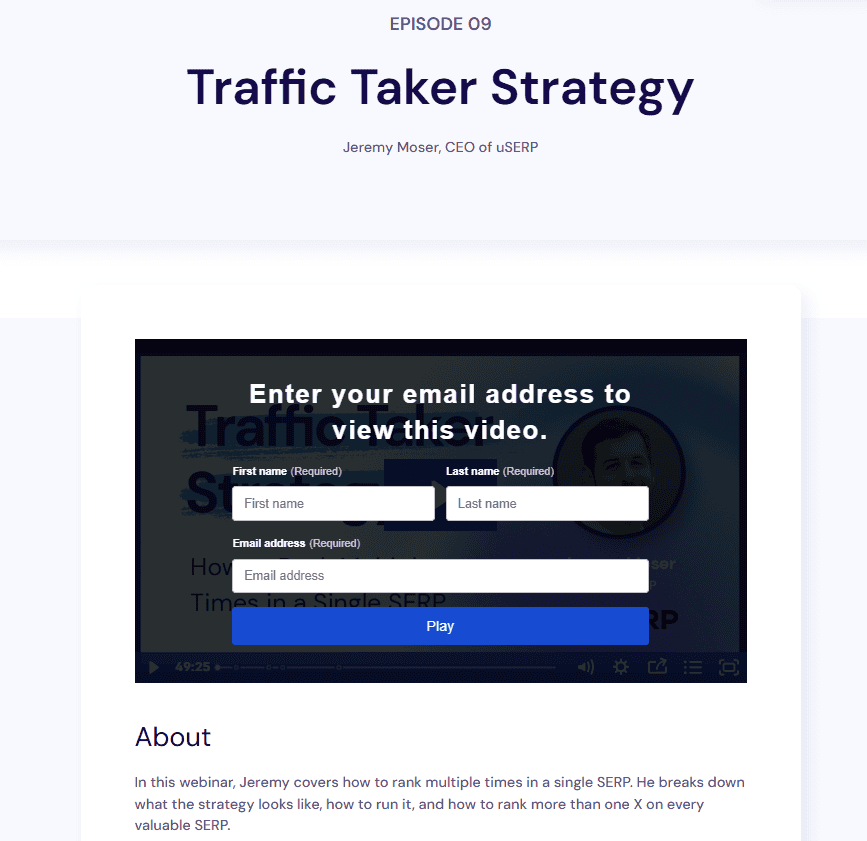
This example works because the webinar gives both sides a reason to promote the same asset, creating visibility before any backlink request is made.
This same principle applies to social outreach. When someone has already seen your name through webinars, comments, or shared industry conversations, a LinkedIn message feels less like a cold pitch.
According to Clearout, response rates for LinkedIn InMail usually range from 18% to 25%. Standard cold emails average around 3%.
Imagine a marketer who regularly comments on industry discussions. They become more recognizable before outreach starts.
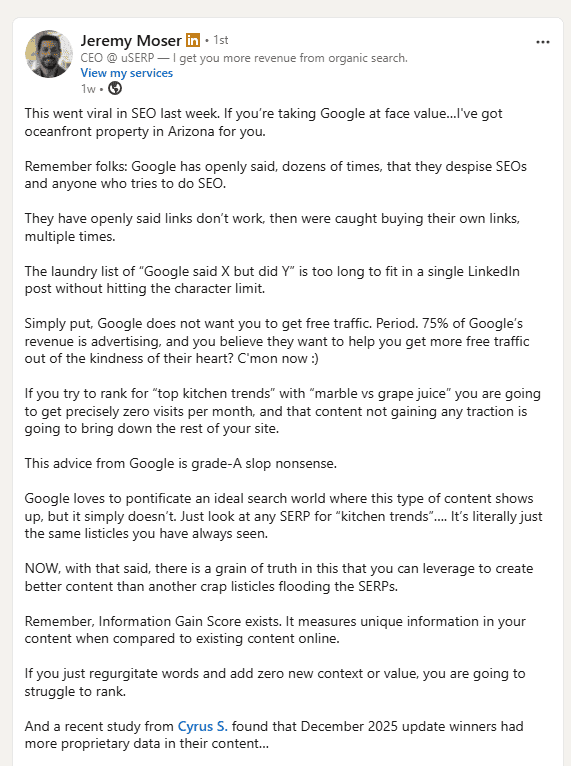
Give value before requesting something
People remember brands that help first, rather than those that ask for backlinks right away. For example, you can:
- Feature someone in your content
- Or contribute expert quotes
- Share unique data
You can also promote partner content, create content together, or offer expert insights. Providing helpful resources makes future collaboration feel more natural because the relationship is not built around a one-sided request.
Personalization must feel real
Real personalization goes deep. Don’t just add someone’s first name to an email. Editors can spot surface-level outreach fast. It often sounds copied and generic. Here’s an example:
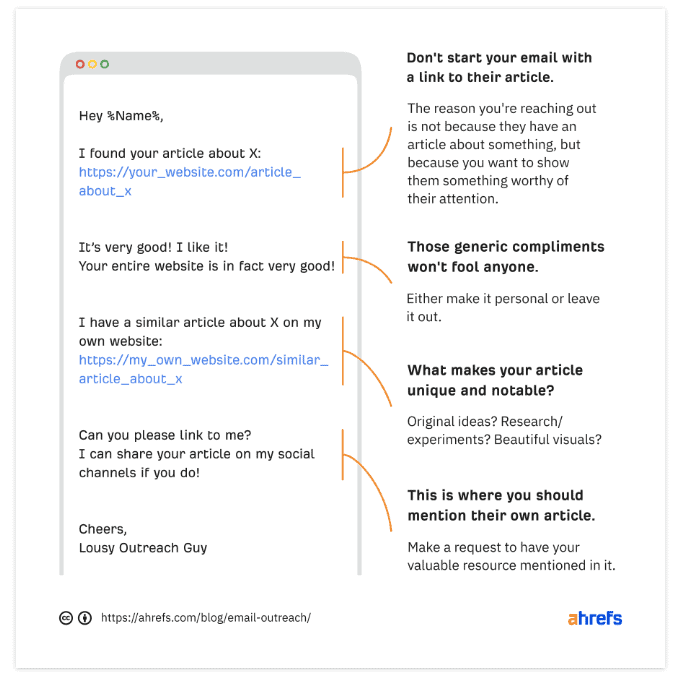
Strong personalization references something specific, such as anchor text, a recent article, or a shared industry opinion. This could be an event, an article, a podcast episode, or an industry opinion. This tactic shows genuine interest.
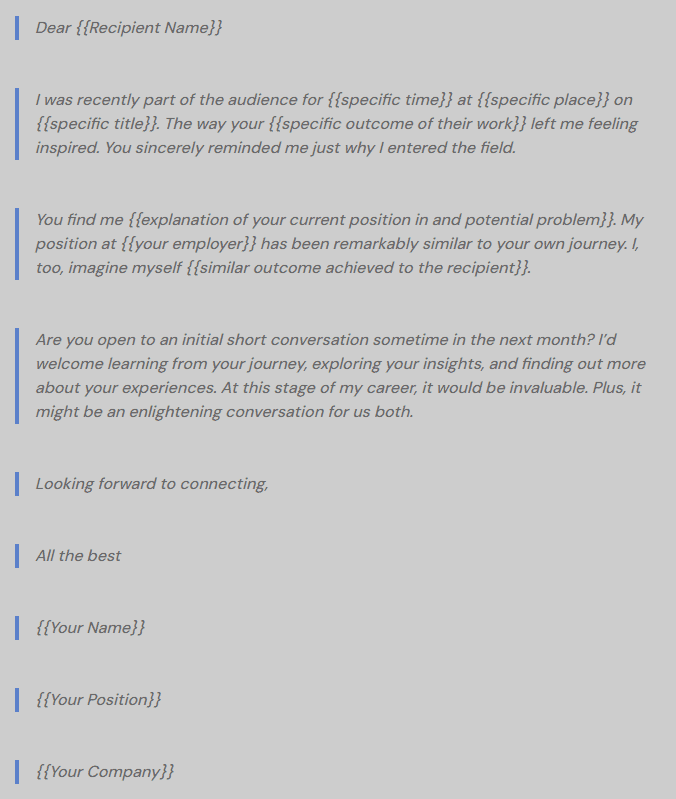
Let’s say you’re contacting someone for the first time and you mention their recent backlinks report. You’re more likely to create a stronger connection than if you had to tell them, “I love your content.”
Focus on reputation, not just backlinks
Relationship building supports brand authority, partnerships, and visibility. Links, brand mentions, and referral traffic become a byproduct of trust. This can happen if you host a podcast and earn links from newsletters, event pages, and guest contributions, all without direct outreach requests.
Relationship-based link building strategies that work for SaaS and B2B brands
Different strategies can help you connect with industry leaders. Focus on tactics that offer value to both sides to earn organic placements.
Digital PR and expert commentary
Journalists and publishers prefer expert sources they can trust. That is why digital PR works well for relationship-based link building. Think HARO-style requests, reactive PR, and industry commentary. These help brands gain visibility across media conversations and search engine results.
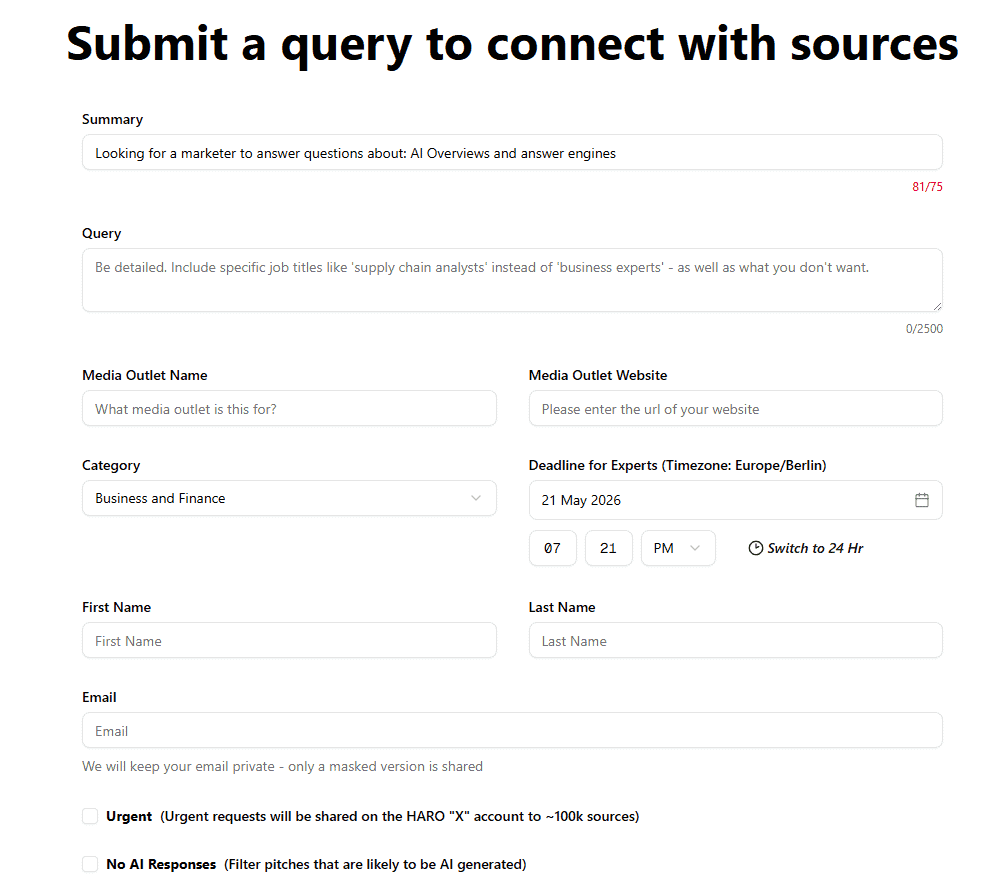
Screenshot provided by the author
Repeated contributions also build familiarity over time. If you’re quoted in cybersecurity articles, you may become a go-to source for future stories.
Podcast guest appearances
Podcasts help brands earn links. They also help you build trust with niche audiences.
Hosts often link to guest websites on episode pages. Those introductions can also open doors to other podcasts inside the same network.
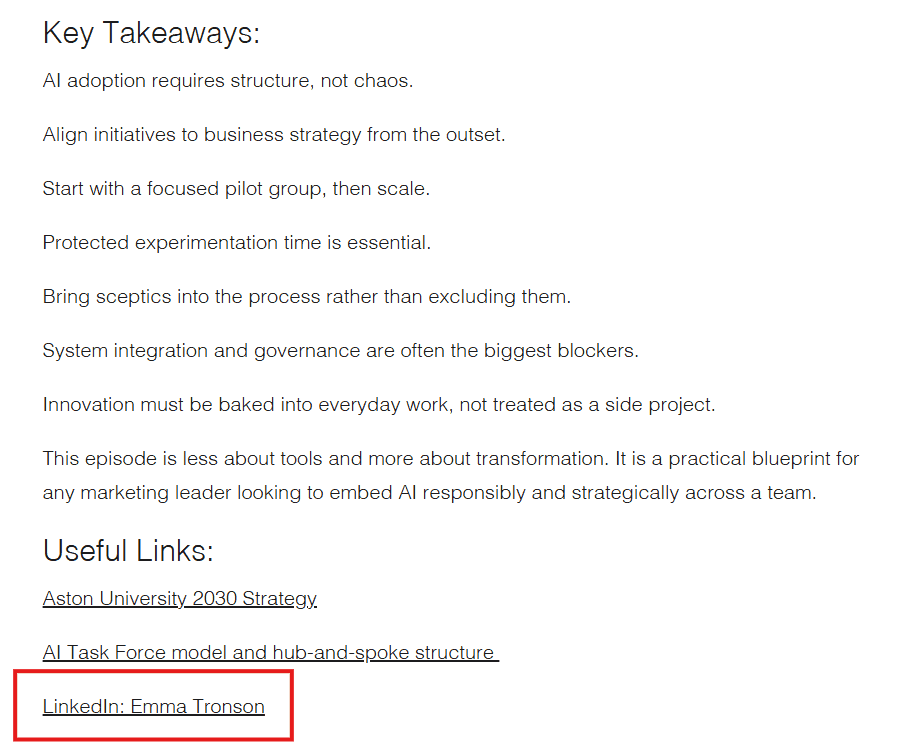
Imagine you join a RevOps podcast. This can be an opportunity for future collaborations. You may receive invitations from SaaS and marketing hosts connected to that community.
Co-marketing campaigns and partnerships
Co-marketing creates a reason for brands to promote each other without forcing the relationship. Think:
- Research reports
- Expert roundups
- Industry studies
- Joint webinars
They give both sides content worth sharing with their audiences.
That exposure often leads to natural backlinks from several sources. For example, two B2B SaaS companies may publish a shared benchmark report that industry blogs and newsletters reference.
Guest contributions from trusted industry voices
Editors feel more open to pitches from contributors they already know. Familiar writers create less uncertainty. Publishers understand the quality and perspective they bring. Those relationships can grow into recurring contributor spots instead of one-off articles.
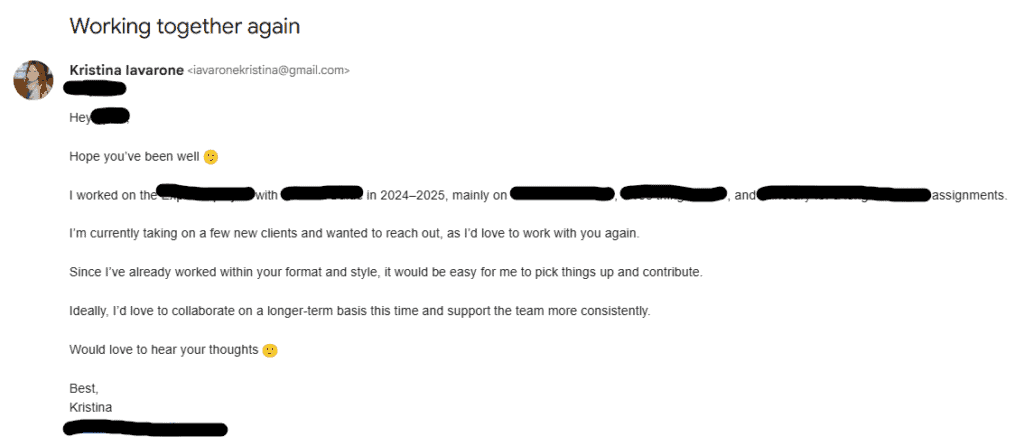
Screenshot provided by the author
Imagine a consultant who writes for one SaaS publication. They may later contribute to connected partner sites in the same space.
Community participation and industry engagement
People respond better when they’ve seen your name before. LinkedIn, Slack groups, conferences, and niche forums all help create that familiarity before outreach begins.
According to the Content Marketing Institute’s 2025 report, 68% of B2B marketers increased LinkedIn usage over the previous year. Someone active in webinar discussions or a building community may build relationships long before sending a pitch.
Original research and data collaborations
Publishers cite original data. It gives readers something new instead of recycled opinions. Research partnerships also help brands reach overlapping audiences through shared promotion.
Many SaaS companies work with complementary brands on surveys, benchmark reports, or industry studies. Consider a CRM company and an analytics platform. They may release joint retention research. It can earn citations from sales and marketing publications.
Common mistakes that weaken relationship-based link building
Relationship-based link building only works when the relationship feels real. If outreach becomes too transactional, too fast, or too automated, it can damage trust before a useful partnership ever forms.
Treating relationships as purely transactional
People can tell when outreach, link exchanges, or partnership requests have only one goal. If every conversation leads straight to a backlink request, the interaction starts feeling cold. That damages trust and can hurt reputation.
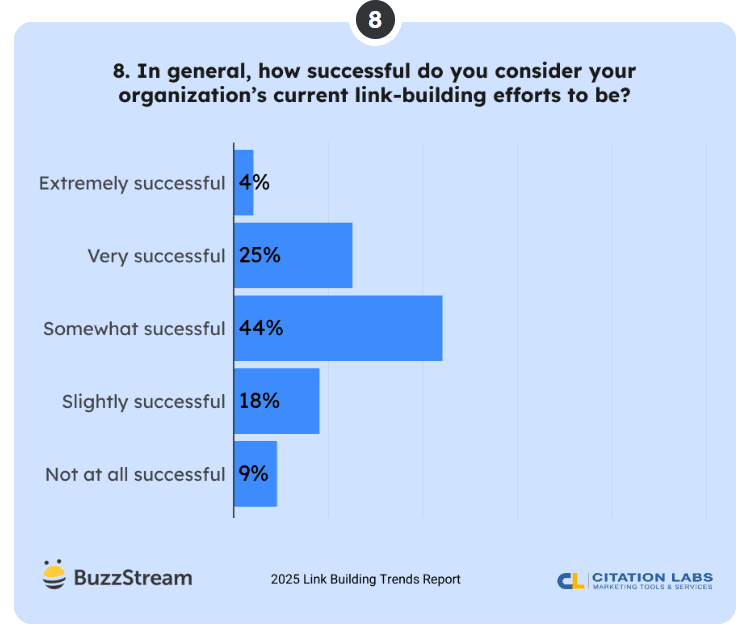
BuzzStream’s 2025 Link Building Trends Report found that only 29% of marketers consider their link building successful. Editors often stop responding to brands that only reach out when they need coverage or links.
Asking for links too early
Timing shapes how outreach feels. Don’t ask for links before building real connections. Otherwise, the request can come across as forced instead of genuine.
That first impression may close the door on future collaboration before trust has time to develop. Say someone accepts your LinkedIn connection request. Sending a guest post pitch right away rarely creates a strong relationship.
Over-automating communication
Outreach automation helps link builders stay organized. But relying on it too much removes the personal side of outreach. Conversations start sounding copied, repetitive, and disconnected from the person receiving them.
Real relationships grow through relevant interaction. You can’t send automated follow-ups days apart without context. It can make a promising contact lose interest in replying.
Ignoring relationship maintenance
Some brands disappear once a placement goes live. Repeat collaborations can happen if you build a genuine connection.
Consider sharing a partner’s webinar or report after publication. This helps keep the relationship strong beyond the original backlink.
How to measure the success of relationship-based link building
Tracking the right metric mix lets you see how your partnerships perform. Look beyond raw link numbers to see the true impact on your business.
A good measurement framework separates one-off link gains from signs that a real relationship is forming. Track whether the same publisher, partner, podcast, or community keeps creating new opportunities over time.
That’s what tells you the strategy is actually building trust and not just producing isolated placements.
Track link quality, not just quantity
When it comes to link building, you should focus on:
- Editorial quality
- Organic traffic
- Relevance
- Authority
One relevant link from a top industry blog beats 10 links from spammy sites. High-quality placements show that search engines trust your content.
Monitor recurring opportunities
Repeat invitations often show that publishers trust your expertise. They enjoy working with your brand. That kind of relationship can lead to:
- Ongoing guest contributions
- Podcast appearances
- Expert quote requests
Measure brand visibility and referral impact
Relationship-based SEO can improve far more than rankings. Strong placements often increase:
- Direct engagement across other platforms
- Branded searches
- Audience growth
- Social mentions
- Referral traffic
These signals show that more people recognize the brand. They connect it with industry expertise.
Evaluate long-term authority growth
Authority grows through repeated exposure on trusted websites, podcasts, newsletters, and industry platforms. Each editorial mention strengthens familiarity, authority score, and visibility over time. It helps people recognize the brand more often in future conversations.
Results usually build step by step. They don’t appear in one sharp jump.
Turn trusted relationships into long-term SEO growth
Relationship-based link building works best when brands stop treating backlinks like quick wins. Treat them like the result of real industry trust. Strong relationships often lead to partnerships, repeat mentions, and podcast invitations.
For SaaS and B2B companies, that approach creates a stronger long-term foundation than relying on mass outreach or transactional placements. Trust and relevance open more doors than backlink volume alone ever will.
For teams without existing publisher relationships, the challenge is usually consistency. The strategy only works when outreach, content quality, partner follow-up, and link relevance are managed as one system.
Building editorial relationships takes time, strategy, and good link building judgment. Book a call with uSERP to see how we help brands earn premium authority links.