



Link building remains a top priority for SEO. It drives rankings, builds authority, and helps fill your sales pipeline. High-quality links prove your site is a trusted resource. However, manual outreach takes a lot of time and effort.
This struggle led to the rise of link building marketplaces.
These platforms act as a faster alternative to traditional networking. They offer a shortcut to get the backlinks you need. But this convenience often creates a major tension. You have to choose between speed and editorial quality.
Scaling fast is great, but you might lose control over where your links live. There are cheap options. But they rarely support sustainable SEO.
This guide explores how these marketplaces work and what they cost. We’ll look at the risks, benefits, and better alternatives for long-term growth.
Highlights
- Link building marketplaces serve as digital storefronts where brands purchase backlinks from a list of publishers.
- These platforms work best as a supplemental tool for teams that need to scale acquisition quickly.
- Low-quality marketplaces often sell links on sites with no real traffic or strict editorial standards.
- Sustainable SEO success requires a focus on editorial relevance and trust over raw link volume.
What is a link building marketplace?
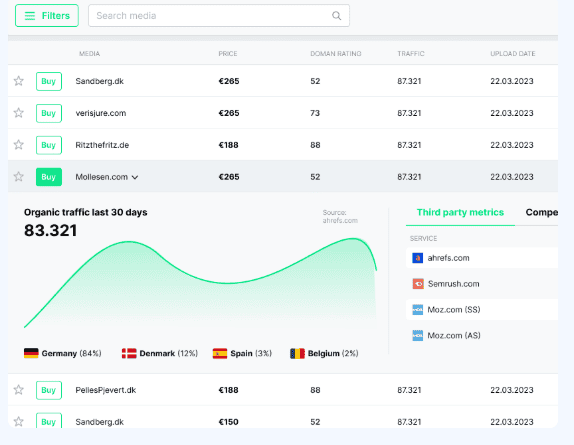
A link building marketplace is an online shop for SEOs. It acts as a middleman between brands and websites. You pick a site from a list and pay for a backlink.
It removes the need for long talks or negotiations. You get your link without the usual back-and-forth.
The basic concept behind link marketplaces
Link marketplaces are like the digital catalogs for SEO. They connect people who need links with site owners who sell them.
A tech blog might list a spot for $200. You can buy guest posts, niche edits, or sponsored posts. Some even offer homepage links and digital PR placements to boost your presence.
How they differ from traditional outreach
Traditional link building outreach relies on building real human relationships. An agency might email a journalist for weeks to earn one mention.
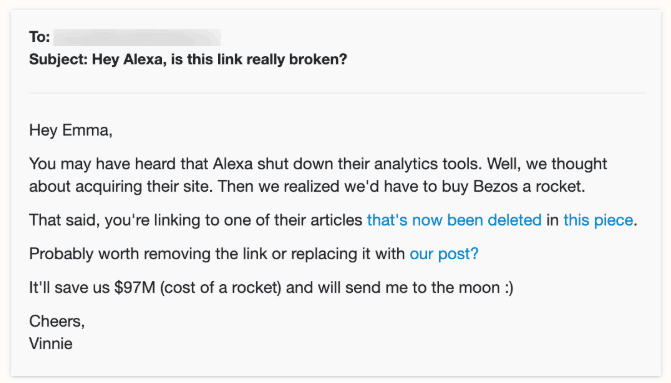
Marketplaces skip this part. They offer inventory-style buying instead of manual networking. You just add a link to your cart and check out. Speed and ease are the main perks here.
How link building marketplaces work
Marketplaces act as a bridge between your site and a database of publishers. You sign up, log in, and see a list of websites ready to sell space. These platforms automate the outreach part. You just follow a few steps to pick, pay, and get your link live.
Browsing and filtering publisher inventories
Start by filtering the database to find a good match. Most platforms let you sort by domain rating (DR) or organic traffic.
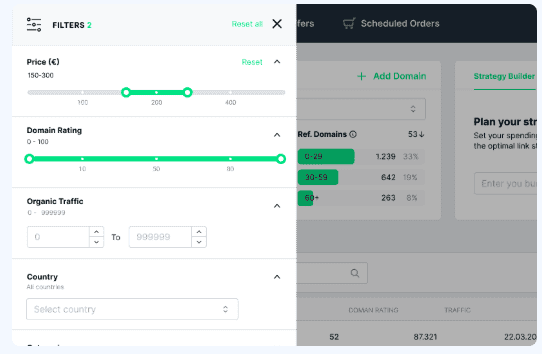
You can also pick by niche, country, or specific traffic trends. So, if you’re a SaaS company, you might select a site in the same niche with a DR of 50 or higher.
Some sites show the URL, but others hide it until you pay.
Pricing structures and markups
Most marketplaces use flat fee models for each link. A single post might cost a set fee of $200. But the platform adds a commission markup to the publisher’s base price.
You might also pay extra fees for agency-managed fulfillment. Prices vary based on DR, traffic, industry, and the site’s geography.
Content creation and approval workflows
Someone has to write the article for your link. Sometimes the buyer provides the text, or the marketplace writers handle it.
In other cases, the publisher writes the post themselves. You can also send a specific anchor text for approval. Then, you track the draft through editing and wait for the final publishing date.
Reporting and link monitoring
Once a link goes live, you track it through the dashboard. You get a live link verification to make sure the page exists.
You can check the status of your order or monitor link retention over time. And, the dashboard might alert you if a link disappears. You can then export these reports for your team.
The most common types of links sold on marketplaces
Marketplaces offer different ways to get your site mentioned. You can choose based on your goals and budget. Most platforms group these into a few main categories to help you shop.
Guest post placements
Guest posts are new articles written for another site. You get contextual backlinks placed inside these original stories.
For example, a content marketing blog could host your post about SEO content strategies. Just watch out for blogs written solely for search engines. Stick to real editorial sites for the best results.
Niche edits and link insertions
Niche edits involve adding your link to an existing post. These pages are already indexed by search engines, which can lead to faster results.
For example, you might add a link to an old guide about solo travel tips. However, these carry risks. You may have to be careful that they don’t sound forced to readers.
Sponsored posts
Sponsored posts are paid editorial spots. These often look like news stories or reviews. For example, a tech site might publish a post clearly labeled as “sponsored” by your brand.
You must consider how these disclosures affect your reputation. Some readers might trust these paid mentions less.
Digital PR and authority placements
These are high-end spots in famous publications. Real digital PR gets you onto sites like Forbes or TechCrunch.
For example, a journalist might quote your CEO in a major story. This costs much more than a basic link. However, it builds far more brand value than low-quality fake-news sites do.
What do link building marketplaces typically cost
Pricing for links depends on the site’s power and its reach. You’ll find a wide range of costs across different platforms. Understanding these tiers helps you plan your budget.
Most marketplaces set prices based on specific metrics or industry demand.
Average price ranges by authority level
Prices fluctuate based on the site’s standing. Low-tier sites might cost $100. Mid-tier niche sites often range from $200 to $400. High-authority publications can demand $1,000 or more. For example, a finance link usually costs more than a craft blog link.
And, according to BuzzStream, the average guest post placement costs around $365. Higher-quality spots average $930 when you factor in traffic and authority.
Why expensive links aren’t always better
A high price doesn’t always mean a high-quality link. Domain rating (DR) can be a misleading metric. Some site owners use traffic manipulation to inflate their numbers.
A site might have a high DR but zero real readers. You should prioritize editorial standards and topical relevance over an expensive price tag.
Experienced SEO teams often review the site itself before buying any placement. They check whether the publication has real author bios, active social sharing, consistent publishing patterns, and articles that rank for relevant keywords.
A strong backlink profile matters far less if the site exists mainly to sell placements rather than serve a real audience.
The hidden costs most teams overlook
There are hidden costs to consider. You also have to pay for content writing and many rounds of revisions.
For instance, a marketplace might charge $50 just to draft the article. You also spend internal time managing the orders. Don’t forget the cost of replacing links that get removed.
Agency handling fees can also push your final bill much higher.
The tradeoffs behind link building marketplaces
Buying links involves several compromises. You gain speed but often lose control over quality. It is important to understand these balances before committing to a purchase.
Speed and scale vs editorial quality
Marketplaces help teams get links fast. You skip the hard work of prospecting and outreach. You can buy 10 links in minutes instead of waiting weeks.
However, some networks have low editorial standards. Fast delivery doesn’t always lead to high SEO value.
Convenience vs long-term authority building
Semrush reports that zero-click searches now account for nearly 30% of U.S. search traffic.
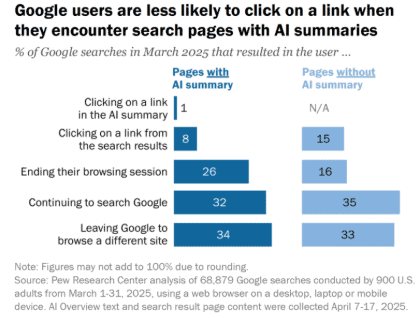
Marketplaces make link acquisition faster because you can buy placements without long outreach campaigns. But this differs from relationship-driven outreach, where brands build trust with editors and publishers over time.
That trust becomes more valuable as AI changes search behavior. Pew Research Center found that 58% of respondents saw at least one Google search result with an AI-generated summary in March 2025.
Brands often gain more value from trusted visibility on respected publications than from large volumes of easy placements.
Faster acquisition vs higher footprint risk
Fast growth can leave a digital footprint. Using the same anchor text across shared networks is risky. Google might spot a pattern of paid placements. And, low-quality spots and over-optimized campaigns cause trouble.
If a search engine identifies these patterns, your site could face a manual penalty or a sudden drop in rankings.
Lower outreach effort vs weaker industry relationships
Link building marketplaces eliminate the need for networking. You don’t have to build a name for yourself. But direct relationships lead to better opportunities over time.
For example, a happy editor might invite you back for free on a podcast episode. These real links build brand visibility that goes beyond SEO.
When link marketplaces are worth it, and when they’re not
Choosing these platforms depends on your specific goals. Sometimes they save time, but other times they create more problems than they solve.
Good fit for scaling campaigns
Marketplaces help teams get links quickly when managing large SEO projects. Agencies and SaaS companies might often use them to keep up with high content volumes.
Speed and efficiency are the top reasons people pick this path.
Useful as a supplemental channel
Some brands use marketplaces alongside digital PR and manual outreach. They also use them to support their partnerships.
You might use a link marketplace for mid-tier links while an agency handles your top-tier PR. These platforms work better as one part of a wider strategy.
Risky for reputation-sensitive industries
Industries like healthcare and finance face high risks here. Legal and cybersecurity brands also need to be careful. And, a medical site could lose trust if its links appear on spammy blogs.
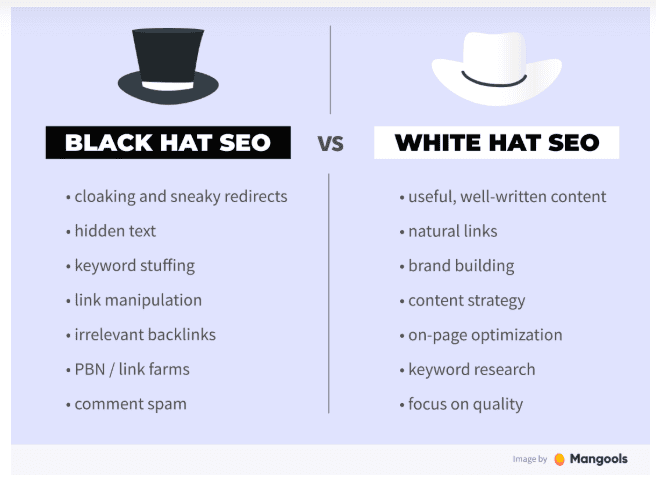
Low-quality placements can damage your reputation and create compliance headaches. These are part of black hat SEO tactics.
Poor fit for brands chasing long-term authority only
Authority-focused brands prioritize real editorial relationships. They want spots in trusted publications. A founder might prefer one mention in a top trade journal over 10 cheap links. Marketplace links often deliver weak value despite having high DR scores.
Situations where manual outreach works better
Direct outreach produces better topical relevance and deeper industry ties. It leads to higher editorial trust. This is especially true if you personalize your message and find something in common with the recipient.
Manual work is the best choice for thought leadership and high-authority campaigns.
What to look for in a high-quality link marketplace
Not all platforms follow the same rules. You need a partner that values precision over just filling a database. Look for these signs of a reliable shop.
- Transparent publisher standards: Vetted sites keep your profile safe. High-quality shops use strict editorial reviews to filter out spam.
- Real organic traffic and audience relevance: Stop obsessing over DR scores. Check if the site has real visitors and topical alignment.
- Strong quality control systems: Good platforms use manual reviews and spam filtering. They check every placement for errors.
- Link guarantees and replacement policies: Links sometimes get removed by site owners. A solid marketplace offers retention guarantees.
- Reporting and communication quality: You need clear dashboards and fast responses. Transparency helps you track your spend.
Before choosing a marketplace, manually review a few sample placements. Check whether the site publishes real editorial content, earns organic traffic, and covers topics close to your niche. If the placement looks like it exists only to sell links, skip it even if the DR looks strong.
Wrap up
Link building marketplaces can speed up link acquisition. They offer a fast path to new backlinks without the usual outreach grind. However, the quality of these sites varies heavily.
Remember that relevance, trust, and editorial quality win over DR every time. High metrics mean nothing if the site has no real readers or topical authority.
These platforms work best when you use them strategically. They should never be a shortcut for a real SEO strategy. So, make sure to focus on sustainable authority building to protect your long-term rankings.
If your team needs links at scale, the safest path is to combine quality control, editorial relevance, and manual review before any placement goes live.
Do you want to build a backlink profile that stays strong through every algorithm update?
Book a strategy call with uSERP today. We specialize in high-impact link building that drives real growth for your brand.