




Scaling an agency often means taking on more SEO work than your existing team can handle. Hiring specialists for every new client can be expensive and time-consuming.
That’s where SEO reseller programs come in. You get expert SEO services and can rebrand them as your own. You save time. You earn recurring cash.
Let’s talk about how to pick the right partner and why uSERP stands out.
Highlights
- SEO reseller programs let agencies scale without hiring. You outsource your agency services to a trusted partner while keeping your brand front and center.
- Reselling saves money and time. Skip salaries, training, and tool costs. Focus on strategy, sales, and upselling services like PPC and web design while your partner manages the campaigns.
- Choose partners carefully to avoid risk. Low-quality providers use spammy backlinks and poor reporting, which can hurt rankings. Look for transparent, white-label reporting and a quick response to algorithm updates.
What is an SEO reseller program?
An SEO reseller program is when an agency partners with a third-party provider to handle digital marketing tasks.
These may include:
- Link building processes
- Content creation
- White-label SEO
- Technical SEO
The agency then sells and delivers these services under its own brand. It’s like having an entire expert SEO department without actually hiring one.
White-label vs. referral SEO reseller models
With a white-label reseller, your agency keeps the client relationship and sells the provider’s SEO services under your brand.
With a referral reseller, you send the client to the provider and earn a commission for the referral.
What an SEO reseller package typically includes
What an SEO reseller package includes depends on the provider. Some resellers offer full SEO website rebuilds. Others focus on content strategy and production, technical SEO, digital PR, or link building.
Think about your specific needs and gaps in expertise when looking for a white-label partner.
If you need help with PPC ads, look for a reseller that offers ad packages. If you need help delivering blogs, look for a partner that can handle content strategy and production.
A more comprehensive SEO reseller package might include:
- Account management and technical SEO support
- Keyword and competitor research
- Content strategy and creation
- On-page and technical SEO
- Link building and digital PR
- Rank tracking and analytics
- White-label reporting
- Local SEO
Before partnering with someone, consider what your team can already handle, what your clients are asking for, and where outside support would make it easier to take on more work.
Why agencies use SEO reseller programs
When you choose the right partner, an SEO reseller program becomes a growth engine for your agency. This isn’t about outsourcing tasks. Reselling can provide agencies and clients with new resources and long-term results.
Imagine your agency has just signed a client who owns a chain of coffee shops. They need local SEO to rank for “best coffee near me”.
Here’s what happens with a strong SEO reseller program:
- Your partner handles on-page SEO. This involves optimizing header tags, writing meta descriptions, and fixing technical errors.
- Your partner creates location-specific content targeting searches relevant to the coffee shops and their customers.
- Their dedicated account manager tracks the progress and updates you on traffic growth and search engine rankings.
Your agency remains responsible for the client relationship while the reseller handles fulfillment. If the work produces measurable improvements, those results can help strengthen client retention and support recurring revenue.
Here’s a deeper look into why agencies use SEO reseller programs.
Scale without hiring: The core benefit
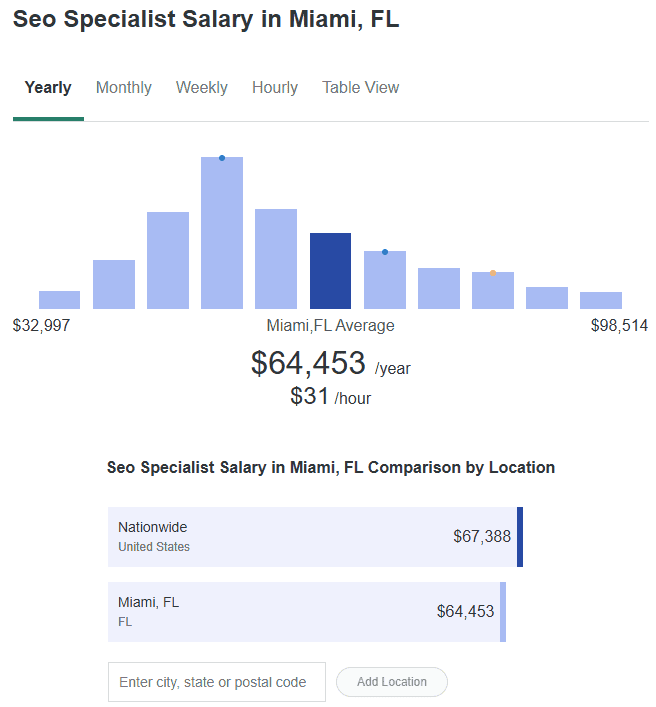
Hiring in-house is expensive. You’re looking at salaries, training, expensive SEO tools, and office space—or remote setups. With SEO reseller services, you skip all this. Hiring an in-house SEO specialist in Miami can cost your company nearly $65,000 per year, according to ZipRecruiter.
Let’s say you land five new clients in one month. You don’t have to hire new writers or SEO specialists. You simply send the projects to your white-label SEO partner. They handle everything, like content creation, link building, and off-page optimization.
You also get access to rank trackers, analytics dashboards, and other SEO technology without building the entire stack yourself. As you take on larger clients, that could include enterprise SEO platforms like BrightEdge.
Your agency grows without the stress of increasing headcount.
Expanding service offerings without expertise gaps
Beyond increasing capacity, a reseller can help your agency offer services that fall outside your team’s current expertise.
For instance, you could expand into social media marketing or web design services. If clients want help distributing their content, that might include building Twitter/X into their SEO strategy.
You could also offer extra creative projects or PPC services. Meanwhile, your partner runs campaigns in the background.
Improve client results and retention
You don’t have to worry about what clients might say about partnering with a third-party company. For clients, results are what matter, as long as they get:
- A measurable return on investment (ROI)
- A boost in search engine rankings
- More organic traffic
For example, a reseller might help a local business generate more leads by improving its Google Business Profile and organizing its website content around relevant search topics. Seeing consistent results could encourage the client to renew their contract for another year.
Generate predictable, recurring revenue
The right program turns SEO into a subscription-like service. Clients pay monthly for SEO campaigns. You deliver consistent reports, using data from analytics and reporting tools.
Recurring SEO contracts give your agency a clearer view of expected monthly revenue, making it easier to plan resources and manage cash flow.
How to evaluate an SEO reseller program
Choosing the right SEO vendor can save you time, money, and your reputation.
Here’s how to thoroughly evaluate potential providers before trusting them with your brand and clients.
Quality signals: What good reseller work looks like
Check case studies and client reviews
Real-world performance is the strongest proof. Case studies show what the provider actually accomplished, not just what they claim.
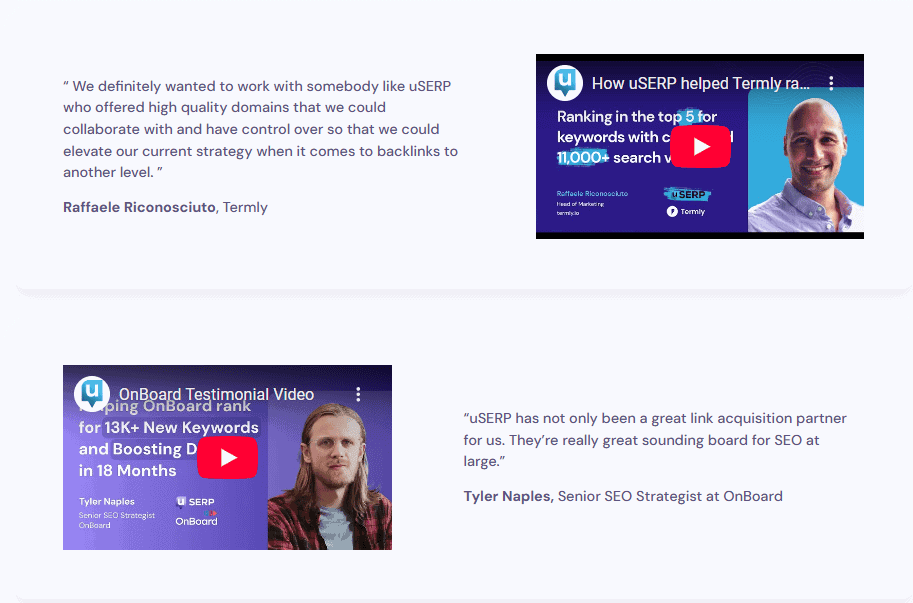
You can find a company’s case study describing how their SEO services helped an e-commerce client move from page three to page one for key buying terms. Look for before-and-after proof and client reviews, especially video testimonials.
Assess their SEO approach
Ethical, smart SEO stands the test of time. Cheap tactics won’t.
Look for providers that invest in meaningful content, implement smart link-building strategies, and optimize on-page keywords ethically to boost visibility and drive growth.
When vetting a partner, ask them to walk you through a real campaign where their SEO strategies led to measurable increases in organic traffic and ROI. Their approach should sound like a plan for sustainable growth. Avoid hiring companies that promise “overnight page-one rankings.”
Pricing and margin structure
The pricing model should fit your agency’s growth plans. Make sure the costs allow you to keep healthy profit margins while remaining competitive.
Calculate your gross margin by subtracting the reseller’s cost from the price you charge the client, then dividing the difference by the client price. For example, charging $1,000 for a service that costs $600 produces a 40% gross margin before your agency’s additional expenses.
Look for:
- Clear, predictable pricing. Avoid partners with hidden fees or unclear deliverables.
- Enough room for your markup. Compare the reseller cost with what you can realistically charge clients, including your own account management and overhead, to make sure each package is profitable.
- Scalable SEO packages. Choose a provider that can support you as you go from managing five client campaigns to 50.
- Flexible add-ons. Ask if you can order extras, such as TikTok ads and e-commerce SEO services, when your clients need them.
Reporting transparency and client delivery
Look for providers that give you clear timelines and proactive updates. You should never have to guess whether your client’s campaign is on track.
You should be able to provide your client with an SEO dashboard that shows changes in keyword positions and backlinks earned, for example. This level of transparency builds trust and keeps clients engaged.
Also, check whether reports and deliverables are white-labeled and client-ready — or whether your team will need to repackage them before sending them on. Make sure you know the exact delivery dates so you can set realistic expectations with your clients.
Communication and support standards
Communication matters as much as deliverables. A good partner should share exactly what work they’re doing, when they’re doing it, and why.
Also, verify their support standards. Even the best SEO reseller programs run into roadblocks. You may run into broken pages, indexing issues, or a sudden algorithm update. Your reseller partner should offer fast, reliable technical support to resolve issues before they affect your client’s search rankings.
Let’s say your client’s checkout page has stopped working after a plugin update. This means that sales are dropping by the minute. Your reseller partner should be able to diagnose the issue and coordinate with your website audit team to get the page live again.
Use this SEO reseller vetting framework
To choose the best white-label service provider for your SEO agency, score each potential partner from 1–5 across the areas that most affect your clients and margins.
Use 1 for a provider that fails to meet your requirements, 3 for one that meets them adequately, and 5 for one that demonstrates strong performance with supporting evidence. Add the five scores for a total out of 25.
| Vetting area | What to check | Questions to ask |
| Quality | Case studies, client results, link quality, content quality, SEO methods | Can you show me results from campaigns similar to mine? |
| Pricing and margins | Wholesale rates, minimums, add-on costs, and scalability against SEO budgets | What will my margins look like as I add SEO clients? |
| Reporting | White-label reports, dashboards, metrics, delivery schedule | What will my clients see, and how often will I receive reports? |
| Communication | Response times, account management, escalation process | Who do I contact when something goes wrong? |
| Fulfillment | Turnaround times, capacity, workflows, quality control | How many campaigns can you reliably support as I scale? |
Pro-tip: Set your non-negotiables before comparing providers. For example, you might require a minimum 40% margin, monthly white-label reporting, a dedicated account manager, and documented quality-control processes. Eliminate any provider that misses a non-negotiable, then compare the remaining options by total score.
Red flags to avoid when choosing an SEO reseller
SEO reselling can drive growth. But it can also be a trap if you pick the wrong partner. A BrightLocal survey found that for high-performing agencies, one of the top three reasons for client turnover is that results don’t meet expectations.
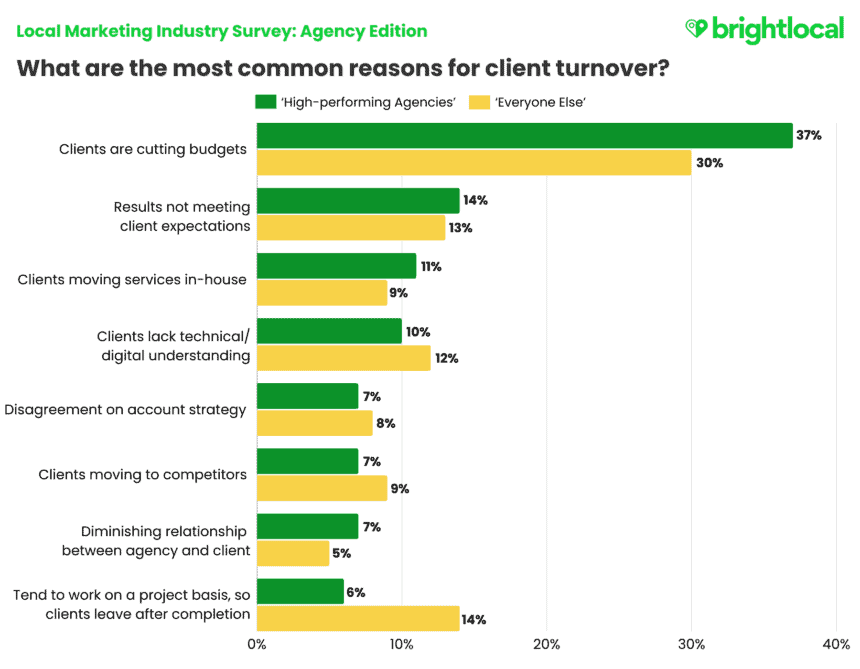
Sometimes, it’s not the agency’s fault. It’s their provider.
Here are the three biggest risks to watch out for when SEO resellers handle your campaigns (and how to avoid them).
Quality control
Some low-cost providers can hurt your reputation. This can occur if they rely on outdated tactics or use toxic backlinks.
A reseller might promise hundreds of backlinks each month. That might sound impressive, but a large backlink volume means little if most links come from irrelevant, low-quality websites.
Choose a partner that provides high-quality backlinks from reputable publications. They should also offer content creation that adds value, not fluff. A partner like uSERP can help you with both. Think of uSERP as your trusted SEO consultant and dedicated white-label service provider.

Transparency issues
Without clear reporting, you’re flying blind. Clients will ask for updates, and if you can’t show them real progress, they start losing trust.
If you’re working on a local SEO campaign, show them an overview of on-page SEO fixes, keyword optimization strategies, and month-over-month traffic growth.
Keeping up with algorithm updates
Google rolls out thousands of algorithm updates every year. Your partner needs to understand advanced SEO and respond quickly when rankings shift. This includes running website audits and refining technical on-page optimization efforts.
Google’s March 2024 Core Update shows why agencies need SEO partners who monitor ranking changes, investigate traffic fluctuations, and adjust strategies when needed.
In short, you want a partner who treats SEO like a living, breathing process, not a one-and-done checklist.
Make sure your white-label SEO provider stays current with industry news through reliable resources like vetted SEO newsletters, so you know when search changes could affect your clients.
Top SEO reseller programs to consider in 2026
| SEO Reseller | Best for | Key services | Pricing |
| The HOTH | Large-scale SEO reselling | Link building, content writing, managed SEO, technical SEO audits | HOTH wholesale reseller pricing ranges from $40 per content refresh to $5,000 per month for the top AI Discover tier. |
| SEO.co | Flexible reseller partnerships | Managed SEO, audits, content, link building | Custom pricing + a 20% partner discount |
| SEOReseller | Agencies also interested in paid media | SEO, PPC, social ads, content, link building | Tiered packages range from $299 to $699 per month |
| Semify | Tech-enabled SEO fulfillment | Technical audits, optimization services, content, links | Custom pricing based on agency needs |
Choosing a white-label SEO reseller program can be tricky. You need to know what they offer, what it costs, and whether the SEO provider can handle your clients’ demands. Use the table above to compare your options before you choose.
Now, let’s review what each SEO reseller program brings to the table.
The HOTH
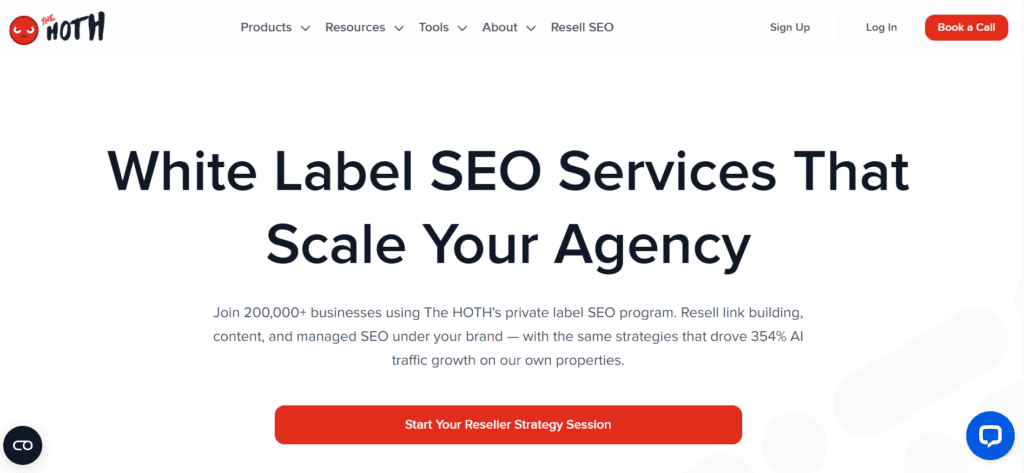
The HOTH white-label SEO reseller program covers link building, content writing, managed SEO, local SEO, guest posts, link insertions, and technical SEO audits. You keep the client relationship and your brand while The HOTH handles the SEO fulfillment.
Its biggest advantage is scale. You can resell services to up to 1,000 clients, and wholesale pricing and bulk-buyer bonuses can help protect your margins.
Pricing ranges from $40 per content refresh to $5,000 per month for the top AI Discover tier. You also get reseller training, case studies, pitch decks, and a centralized dashboard for SEO reporting and white-label reports.
SEO.co
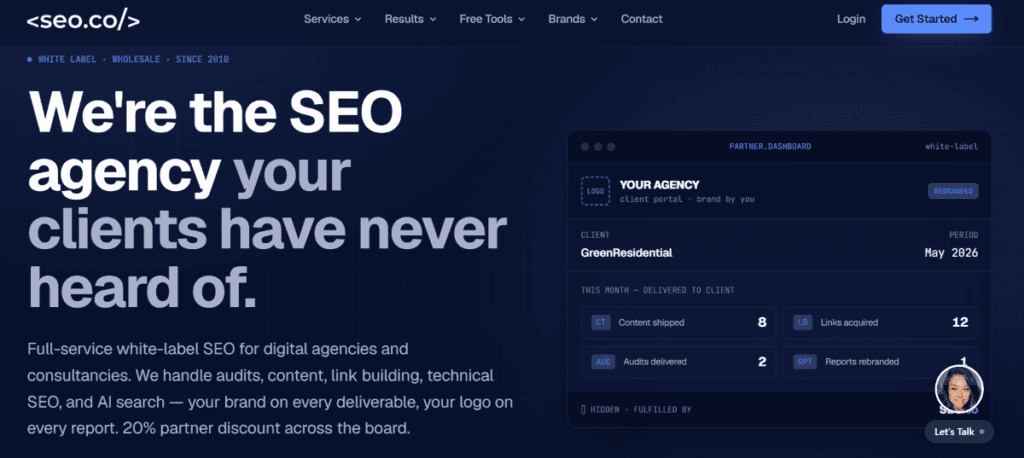
SEO.co lets you resell white-label SEO services through three fulfillment options: fully managed, à la carte, or on-demand.
With fully managed, SEO.co handles the entire campaign under your agency’s brand. À la carte lets you resell specific services for each client, while on-demand provides extra support for last-minute or one-off needs.
Their services include managed SEO, on-site optimization, guest posting, backlinks, local SEO, SEO audits, and content production. They also offer PPC audits and branded monthly SEO reports.
SEO.co offers custom pricing, and reseller partners get a 20% discount across all services.
SEOReseller

SEOReseller’s white-label program goes beyond core SEO services like content production, link building, and SEO audits. You can also offer clients PPC, Facebook Ads, Instagram Ads, and TikTok Ads while its team handles fulfillment behind the scenes.
You also get white-label reports, specialist teams, and monthly service cycles. SEOReseller reports 99.7% on-time fulfillment, with no contracts, setup fees, or hidden fees.
Its tiered packages range from $299 to $699 per month, with pricing designed to improve your margins as you scale.
Semify

Semify’s white-label SEO program gives you a full SEO fulfillment team covering keyword research, technical SEO audits, on-site optimization, content creation, link building, and reporting.
Its biggest differentiator is tech integration. Semify plugs into your existing tech stack through custom API integrations, so its team can handle fulfillment without disrupting your workflows.
You also get a white-label dashboard to track rankings, traffic, and SEO performance, plus a dedicated account manager.
Semify offers custom pricing based on your team’s needs.
How to sell reseller SEO to clients
Once you’ve chosen a reseller, the next step is presenting those services to clients under your agency’s brand.
Here’s how to position your expanded services to clients:
Positioning white-label SEO under your brand
When you sell white-label SEO, your agency stays in front of the client. The reseller works behind the scenes to help you deliver the services you’ve promised.
Your client doesn’t need to know who writes every blog post, builds every link, or runs every technical SEO audit. They need to understand what they’re buying, what your agency is responsible for, and what you’re working toward.
Package the reseller’s services alongside your own expertise instead of treating them like a separate product.
Keep proposals, reports, and client communication consistent with your brand. Make sure you understand the SEO work being delivered well enough to answer questions and explain the strategy.
You might outsource SEO tasks. But you should still own the client relationship.
Setting client expectations and timelines
SEO takes time, whether you handle it in-house or work with a reseller. Set that expectation before the campaign starts.
Be specific about what happens first, what you’ll deliver each month, and when the client can reasonably expect to see progress. For example, the first few weeks might focus on keyword research, technical SEO audits, content planning, and fixing existing issues before new content and links start rolling out.
Set a reporting schedule, too. Clients should know when they’ll receive updates, what you’ll measure, and who they should contact with questions.
Most importantly, don’t guarantee rankings or promise page-one results by an arbitrary deadline. Give clients realistic timelines based on the work involved. Then use regular reporting to show what’s improving along the way.
The right SEO reseller makes your agency more competitive
SEO reseller programs differ in pricing, fulfillment methods, and quality standards. Choosing the right partner requires looking beyond cost and evaluating how each provider supports long-term SEO performance.
At uSERP, we focus on authoritative backlinks, relevant content, and measurable campaign performance. We position your agency as a trusted and authoritative source by delivering sustainable, authority-driven results that keep clients happy month after month.
Here’s what makes us different.
Lead with an authority-first approach
At uSERP, we believe authority is a powerful ranking signal. Instead of chasing quantity, we focus on link-building services from top-tier publications, industry blogs, and trusted domains that Google loves.
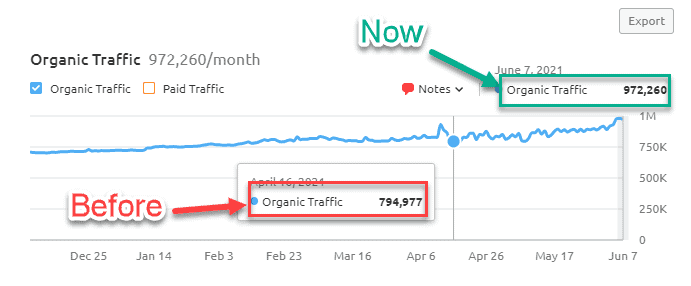
Our approach focuses on building sustainable organic visibility rather than chasing short-term traffic gains. The goal is to build lasting search visibility that can continue generating leads over time.
Rely on data-driven and client-centric solutions
We don’t guess. We use SEO tools, campaign insights, and performance data to guide our strategies. Our team crafts a tailored campaign strategy for each client, optimizing for ROI and online visibility at every step.
We integrate seamlessly with Google Analytics to measure what really matters. Think clicks, leads, and revenue.
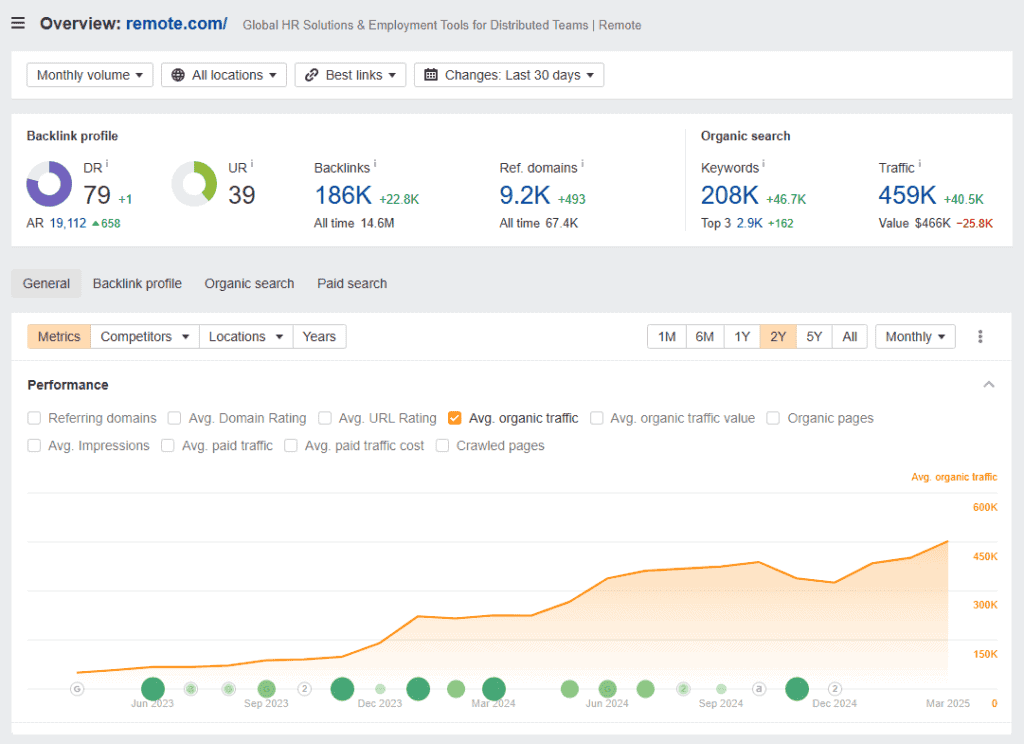
This helps you show clients what’s been completed and how campaign performance changes over time.
Enjoy seamless white-label integration
Our team supports agencies with outsourced content production, link building, and campaign management. We work with agencies to provide SEO support that fits their existing client delivery processes.
We offer:
- Content writing services that match your client’s voice.
- Backend support and a dedicated account manager to make sure campaigns run smoothly.
- Quality backlinks from relevant, authoritative websites that support organic visibility.
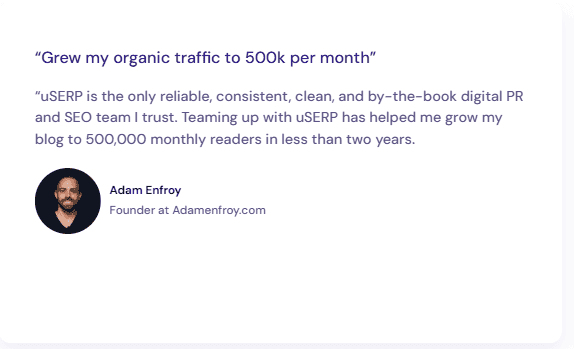
Your agency remains the primary point of contact while our team supports your SEO delivery goals.
The right SEO reseller partnership should balance quality, transparent reporting, reliable communication, and sustainable margins. Evaluating these factors before choosing a provider can help your agency scale while maintaining control over client delivery.
Ready to explore SEO reseller services for your agency? Contact uSERP to discuss how our team can support your content and link-building requirements.
FAQs about SEO reseller programs
1. What is an SEO reseller program?
An SEO reseller program lets you sell SEO services under your own brand while a partner handles fulfillment. You manage the client relationship, and your SEO partner delivers the strategy, execution, and reporting behind the scenes.
2. How does white-label SEO benefit agencies?
White-label SEO helps agencies expand their service offerings without hiring in-house SEO experts. You can take on more clients, keep your branding front and center, and scale without increasing overhead.
3. What’s included in a standard SEO campaign?
A standard SEO campaign may include technical SEO, keyword research, on-page optimization, content creation, link building, and monthly reporting to track performance and growth.
SEO resellers typically fill in SEO expertise gaps or take over campaign fulfillment entirely, depending on your agency’s needs.
4. How much can I make as an SEO reseller?
Your earnings depend on your pricing model, client count, and margins. SEO resellers mark up wholesale SEO services and keep the difference, making it possible to build recurring monthly revenue as they grow their client base.
5. How do I start reselling SEO services?
Start by deciding which SEO services your agency wants to offer, selecting a reliable fulfillment partner, and calculating your margins. Then create client packages, define reporting responsibilities, and establish a clear communication and delivery process.